


"Resuscitation time bias"-A unique challenge for observational cardiac arrest research
- PMID: 29425975
- PMCID: PMC6080954
- DOI: 10.1016/j.resuscitation.2018.02.006
"Resuscitation time bias"-A unique challenge for observational cardiac arrest research
Abstract
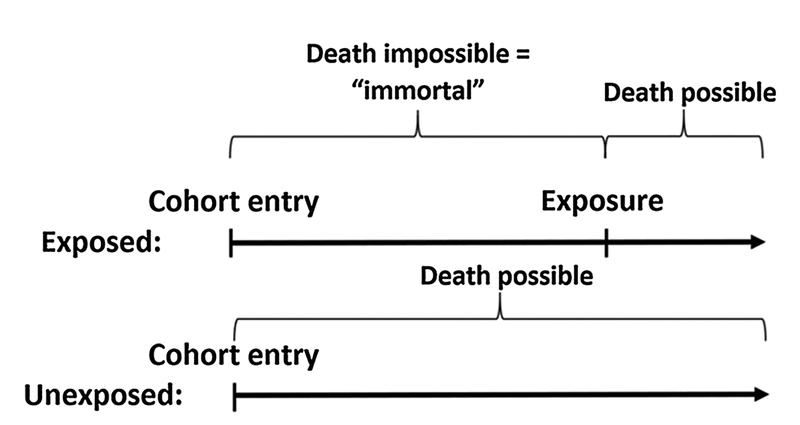
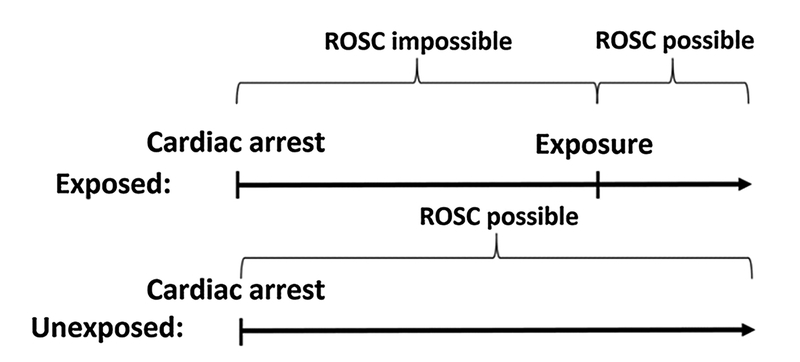
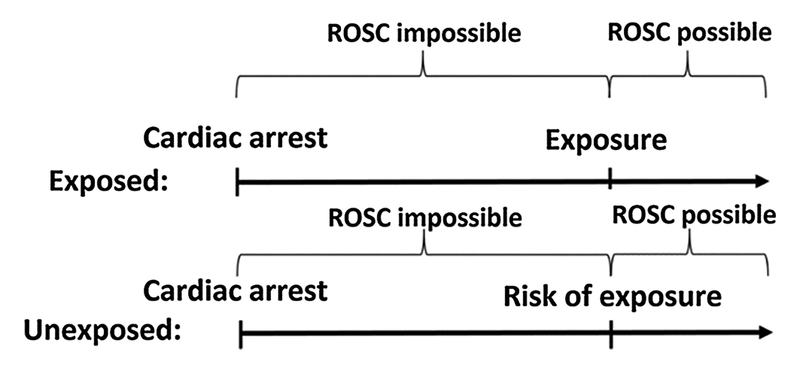
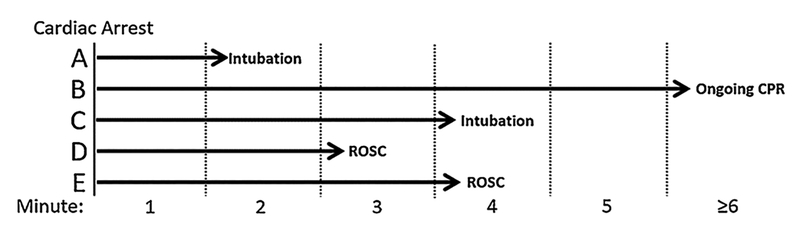
Observational studies are prone to a number of biases. One of these is immortal time bias. In this manuscript, we discuss immortal time bias as it pertains to post-cardiac arrest research and describes a related bias which we term "resuscitation time bias". This bias can occur when studying exposures during cardiac arrest. In this unique situation, an exposure is more likely to occur the longer the cardiac arrest continues. Since length of resuscitation is strongly associated with worse outcome, this will bias the results toward a harmful effect of the exposure. We discuss this bias and present methods to account for it.
Keywords: Bias; Epidemiology; Immortal time bias; Resuscitation.
Copyright © 2018 Elsevier B.V. All rights reserved.
Conflict of interest statement
Conflict of interest statement
None of the authors have any conflicts of interest.
Figures
References
-
- Rothman K, Greenland S, Lash T. Modern epidemiology. 3rd ed. Philadelphia, PA: Lippincott Williams & Wilkins; 2008.
-
- Suissa S Immortal time bias in pharmaco-epidemiology. Am J Epidemiol 2008;167:492–9. - PubMed
-
- Nagao K, Nonogi H, Yonemoto N, Gaieski DF, Ito N, Takayama M, et al. Duration of prehospital resuscitation efforts after out-of-Hospital cardiac arrest. Circulation 2016;133:1386–96. - PubMed
MeSH terms
Grants and funding
LinkOut - more resources
Full Text Sources
Other Literature Sources
Medical
