


Metabolomic characterization of experimental ovarian cancer ascitic fluid
- PMID: 29430218
- PMCID: PMC5804489
- DOI: 10.1007/s11306-017-1254-3
Metabolomic characterization of experimental ovarian cancer ascitic fluid
Abstract
Introduction: Malignant ascites (MA) is a major cause of morbidity that occurs in 37% of ovarian cancer patients. The accumulation of MA in the peritoneal cavity due to cancer results in debilitating symptoms and extremely poor quality of life. There is an urgent unmet need to expand the understanding of MA to design effective treatment strategies, and to improve MA diagnosis.
Objective: Our purpose here is to contribute to a better characterization of MA metabolic composition in ovarian cancer.
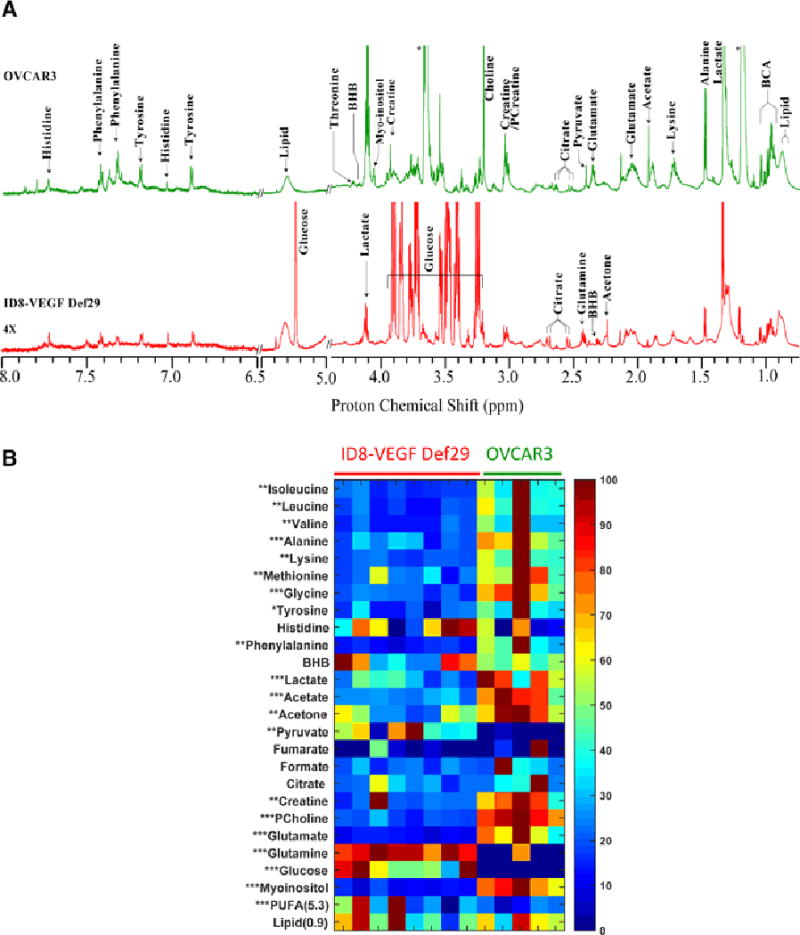
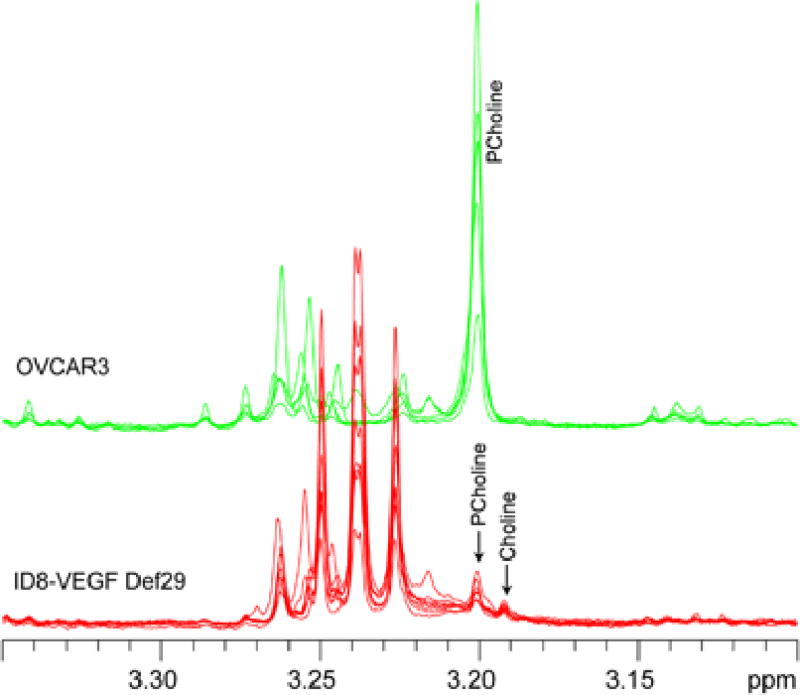
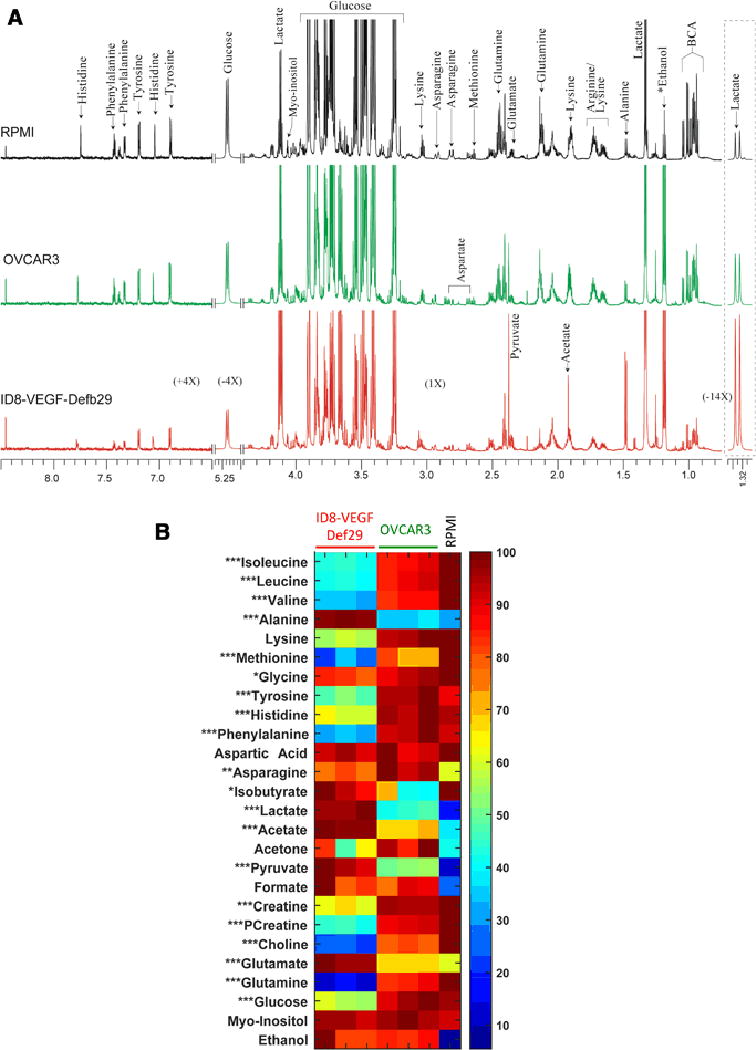
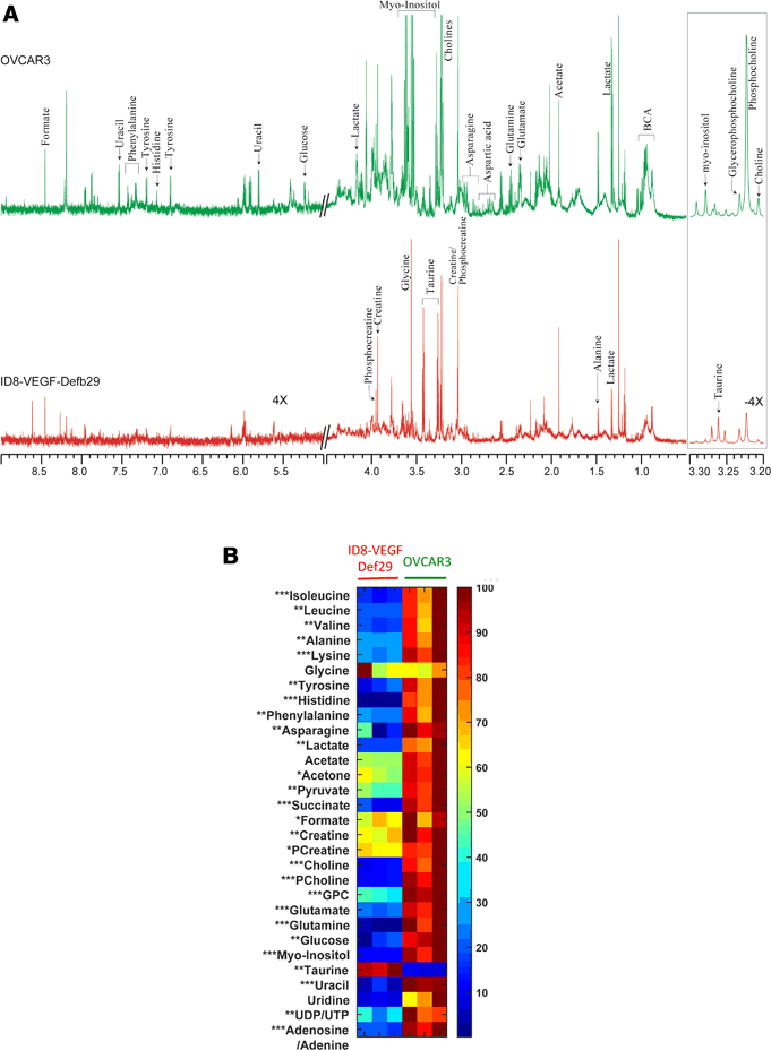
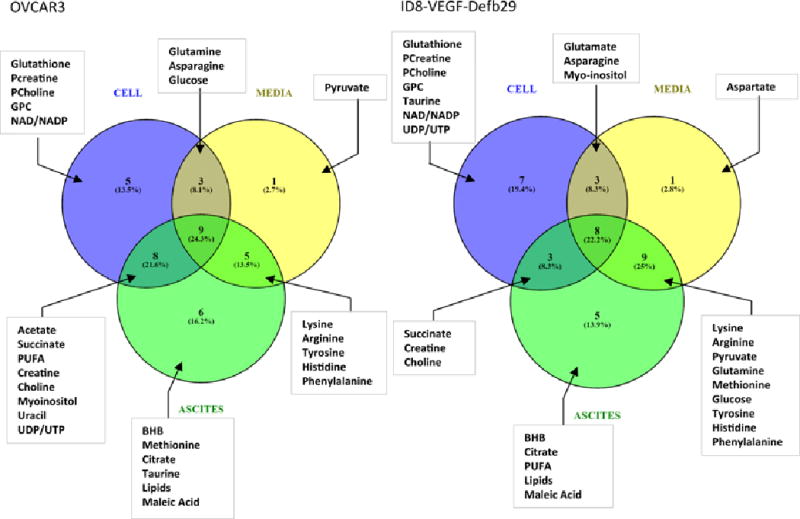
Method: We determined the metabolic composition of ascitic fluids resulting from orthotopic growth of two ovarian cancer cell lines, the mouse ID8-vascular endothelial growth factor (VEGF)-Defb29 cell line and the human OVCAR3 cell line using high-resolution 1H MRS. ID8-VEGF-Defb29 tumors induce large volumes of ascites, while OVCAR3 tumors induce ascites less frequently and at smaller volumes. To better understand the factors driving the metabolic composition of the fluid, we characterized the metabolism of these ovarian cancer cells in culture by analyzing cell lysates and conditioned culture media with 1H NMR.
Results: Distinct metabolite patterns were detected in ascitic fluid collected from OVCAR3 and ID8-VEGF-Defb29 tumor bearing mice that were not reflected in the corresponding cell culture or conditioned medium.
Conclusion: High-resolution 1H NMR metabolic markers of MA can be used to improve characterization and diagnosis of MA. Metabolic characterization of MA can provide new insights into how MA fluid supports cancer cell growth and resistance to treatment, and has the potential to identify metabolic targeting strategies to reduce or eliminate the formation of MA.
Keywords: Ovarian cancer; ascitic fluid; cancer cells and conditioned culture media; high-resolution proton NMR; metabolites; orthotopic tumor implantation.
Conflict of interest statement
CONFLICT OF INTEREST DISCLOSURE The authors declare that they have no conflict of interest.
Figures
References
-
- Adosraku RK, Choi GT, Constantinou-Kokotos V, Anderson MM, Gibbons WA. NMR lipid profiles of cells, tissues, and body fluids: proton NMR analysis of human erythrocyte lipids. Journal of lipid research. 1994;35(11):1925–1931. - PubMed
Grants and funding
LinkOut - more resources
Full Text Sources
Other Literature Sources