The Ontogeny of a Neutrophil: Mechanisms of Granulopoiesis and Homeostasis
- PMID: 29436479
- PMCID: PMC5813886
- DOI: 10.1128/MMBR.00057-17
The Ontogeny of a Neutrophil: Mechanisms of Granulopoiesis and Homeostasis
Abstract
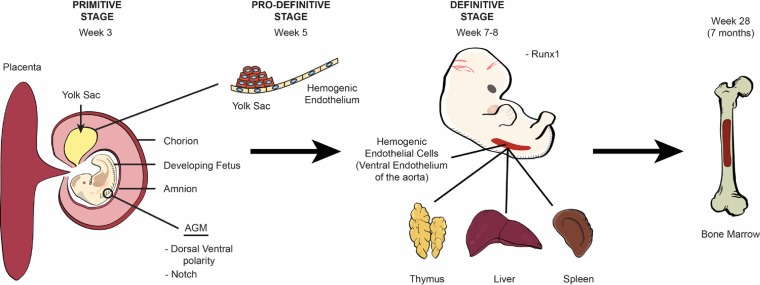
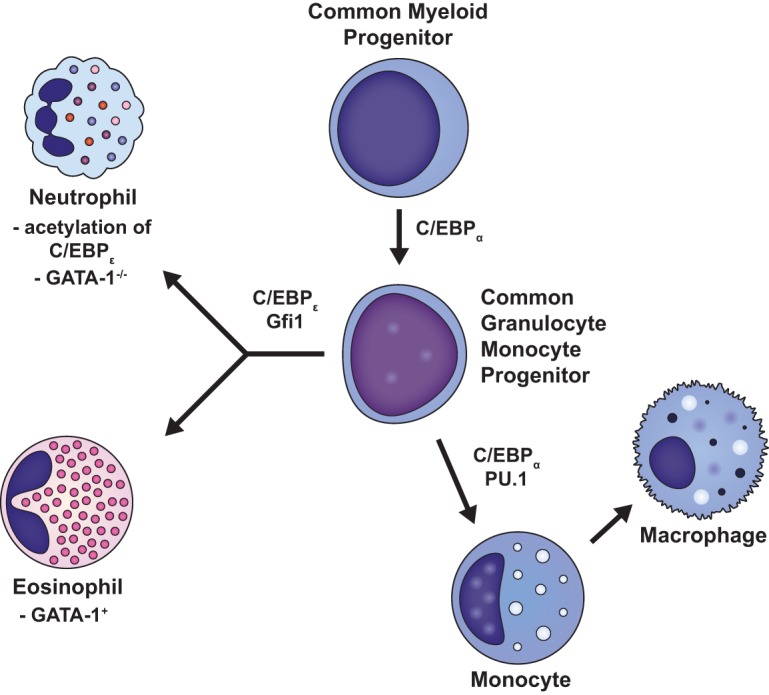
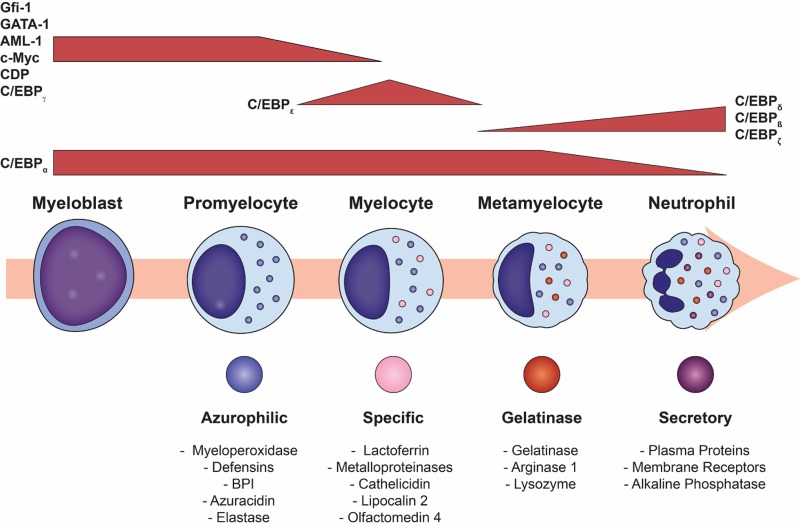
Comprising the majority of leukocytes in humans, neutrophils are the first immune cells to respond to inflammatory or infectious etiologies and are crucial participants in the proper functioning of both innate and adaptive immune responses. From their initial appearance in the liver, thymus, and spleen at around the eighth week of human gestation to their generation in large numbers in the bone marrow at the end of term gestation, the differentiation of the pluripotent hematopoietic stem cell into a mature, segmented neutrophil is a highly controlled process where the transcriptional regulators C/EBP-α and C/EBP-ε play a vital role. Recent advances in neutrophil biology have clarified the life cycle of these cells and revealed striking differences between neonatal and adult neutrophils based on fetal maturation and environmental factors. Here we detail neutrophil ontogeny, granulopoiesis, and neutrophil homeostasis and highlight important differences between neonatal and adult neutrophil populations.
Keywords: apoptosis; cell death; chemokine; degranulation; extracellular traps; granulopoiesis; hematopoiesis; innate immunity; neonates; neutrophils; phagocytosis.
Copyright © 2018 American Society for Microbiology.
Figures
References
-
- Tober J, Koniski A, McGrath KE, Vemishetti R, Emerson R, de Mesy-Bentley KK, Waugh R, Palis J. 2007. The megakaryocyte lineage originates from hemangioblast precursors and is an integral component both of primitive and of definitive hematopoiesis. Blood 109:1433–1441. doi: 10.1182/blood-2006-06-031898. - DOI - PMC - PubMed
Publication types
MeSH terms
LinkOut - more resources
Full Text Sources
Other Literature Sources