. 2018 Feb 13;6(1):16.
doi: 10.3390/healthcare6010016.

The Financial Implications of a Well-Hidden and Ignored Chronic Lyme Disease Pandemic

Affiliations

The Financial Implications of a Well-Hidden and Ignored Chronic Lyme Disease Pandemic

Marcus Davidsson. Healthcare (Basel). .

Abstract

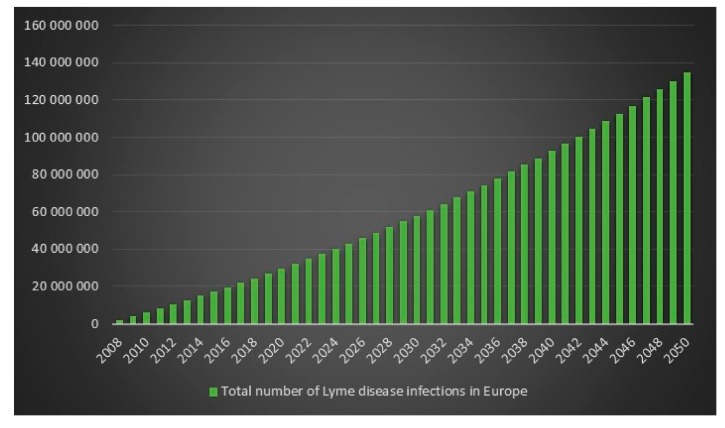
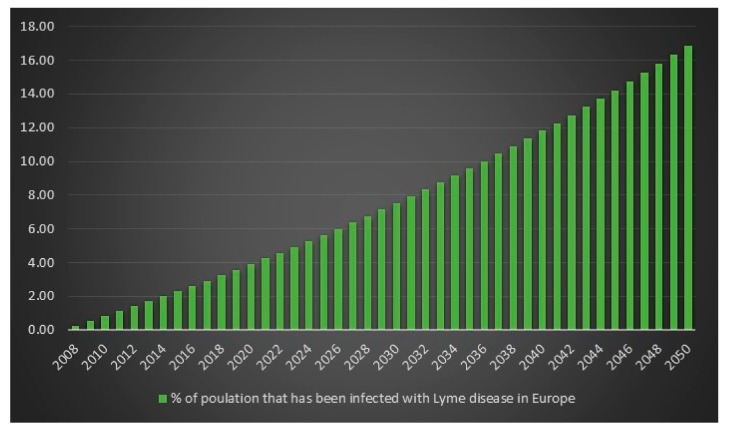
1 million people are predicted to get infected with Lyme disease in the USA in 2018. Given the same incidence rate of Lyme disease in Europe as in the USA, then 2.4 million people will get infected with Lyme disease in Europe in 2018. In the USA by 2050, 55.7 million people (12% of the population) will have been infected with Lyme disease. In Europe by 2050, 134.9 million people (17% of the population) will have been infected with Lyme disease. Most of these infections will, unfortunately, become chronic. The estimated treatment cost for acute and chronic Lyme disease for 2018 for the USA is somewhere between 4.8 billion USD and 9.6 billion USD and for Europe somewhere between 10.1 billion EUR and 20.1 billion EUR. If governments do not finance IV treatment with antibiotics for chronic Lyme disease, then the estimated government cost for chronic Lyme disease for 2018 for the USA is 10.1 billion USD and in Europe 20.1 billion EUR. If governments in the USA and Europe want to minimize future costs and maximize future revenues, then they should pay for IV antibiotic treatment up to a year even if the estimated cure rate is as low as 25%. The cost for governments of having chronic Lyme patients sick in perpetuity is very large.

Keywords: Borrelia; CDC; ILADS; Lyme disease; chronic Lyme disease; cost chronic Lyme disease; incidence rate.


Conflict of interest statement

The author declares no conflict of interest.

Figures
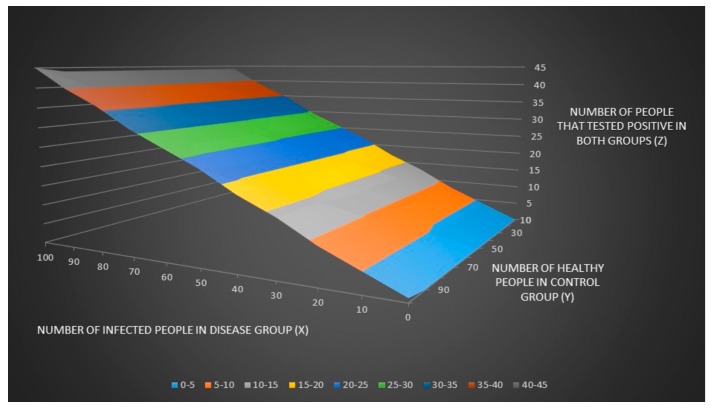
Figure 1
Figure 1
The number of people that tested positive in both groups (z) when the number of infected people in the disease group (x) and the number of healthy people in control groups (y) are unknown.
Figure 2
Figure 2
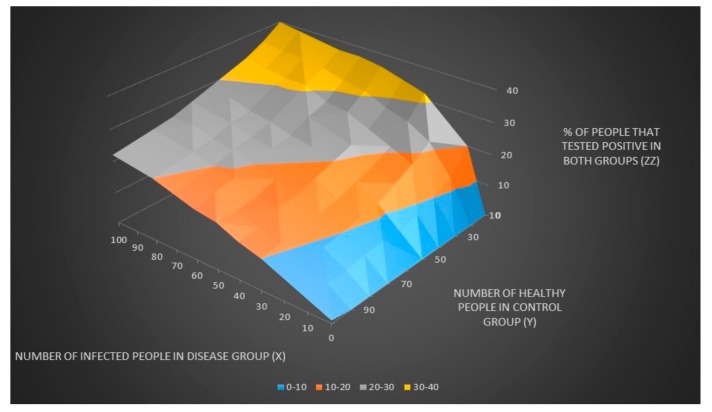
The % number of people that tested positive in both groups (zz) when the number of infected people in the disease group (x) and the number of healthy people in control groups (y) are unknown.
Figure 3
Figure 3
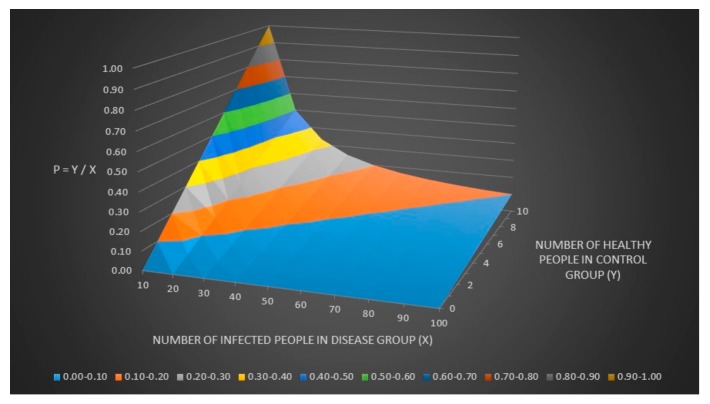
The relationship between y, x and p.
Figure 4
Figure 4
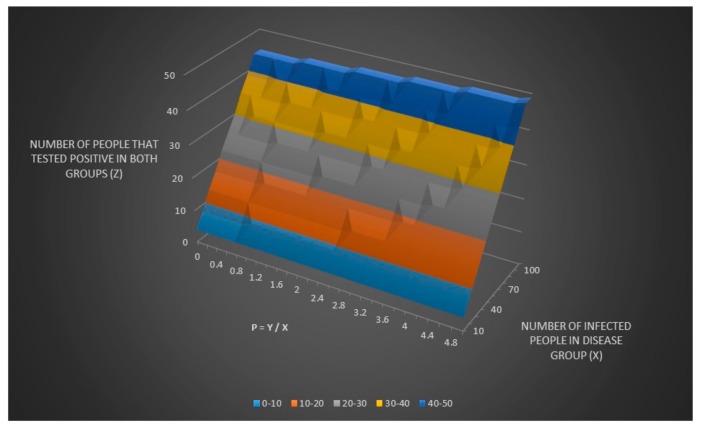
The number of people that tested positive in both groups (z) adjusted for the relationship between y and x (p).
Figure 5
Figure 5
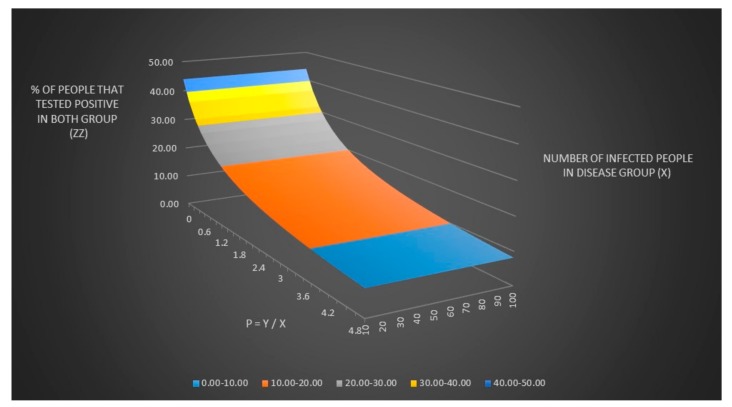
The % number of people that tested positive in both groups (zz) adjusted for the relationship between y and x (p).
Figure 6
Figure 6
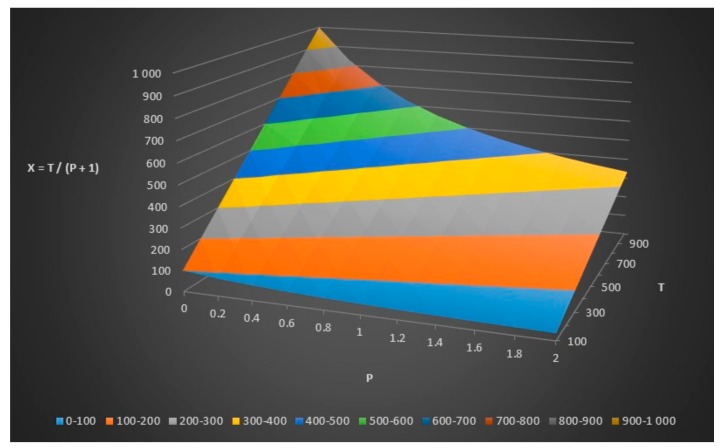
The number of infected people in the disease group (x) given total number of people (T) and the relationship (p) between x and y.
Figure 7
Figure 7
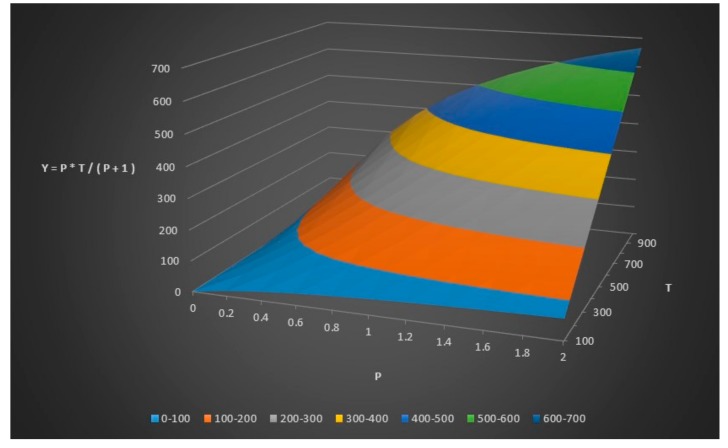
The number of healthy people in the control group (y) given the total number of people (T) and the relationship (p) between x and y.
Figure 8
Figure 8
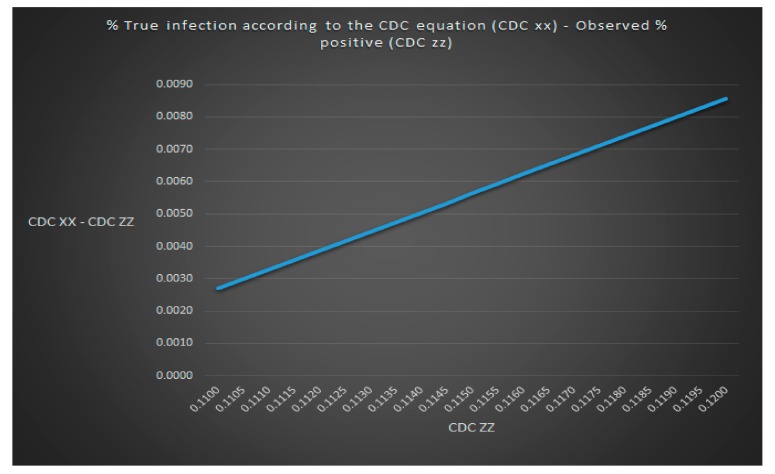
The value of observed % positive cannot be equal to predicted % positive for the average scenario in the CDC model.
Figure 9
Figure 9
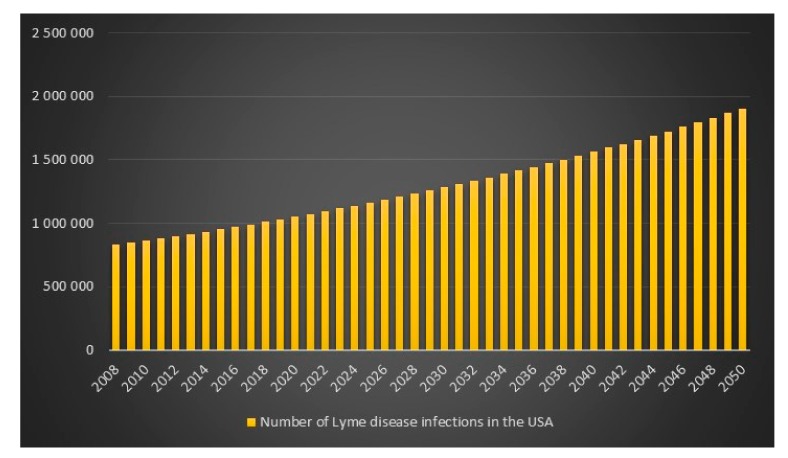
Number of Lyme disease infections in the USA between the years 2008 to 2050.
Figure 10
Figure 10
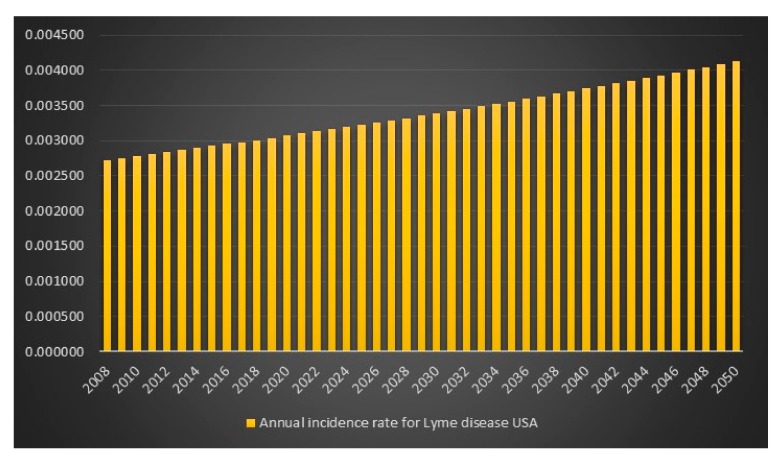
Annual incidence rate of Lyme disease in the USA between the years 2008 to 2050.
Figure 11
Figure 11
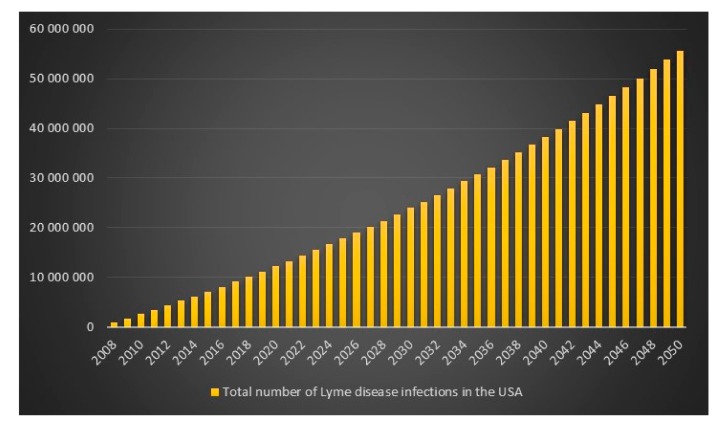
Total number of Lyme disease infections in the USA between the years 2008 to 2050.
Figure 12
Figure 12
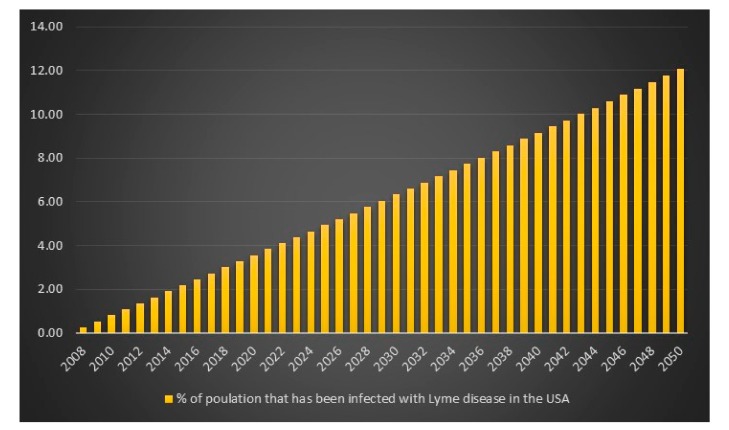
% of the population in the USA that have been infected with Lyme disease between the years 2008 to 2050.
Figure 13
Figure 13
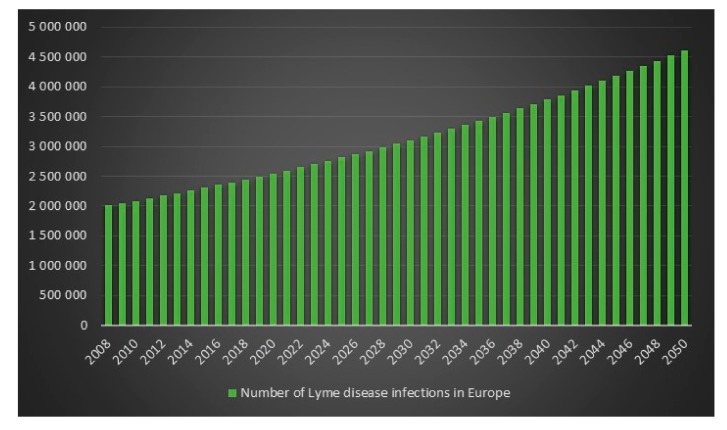
Number of Lyme disease infections in Europe between the years 2008 to 2050.
Figure 14
Figure 14
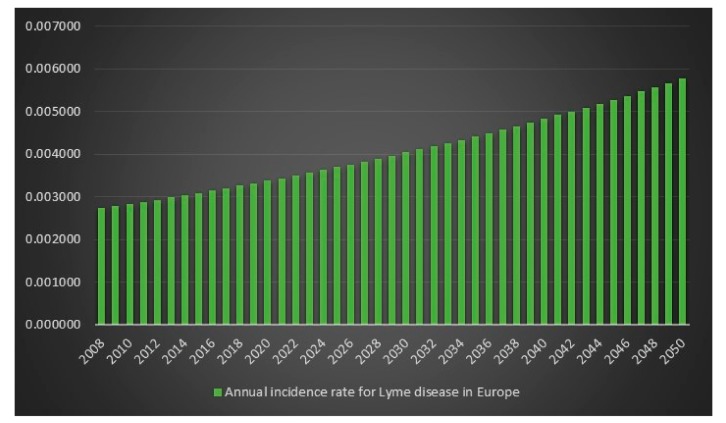
Annual incidence rate of Lyme disease in Europe between the years 2008 to 2050.
Figure 15
Figure 15
Total number of Lyme disease infections in Europe between the years 2008 to 2050.
Figure 16
Figure 16
% of the population in Europe that have been infected with Lyme disease between the years 2008 to 2050.
Figure 17
Figure 17
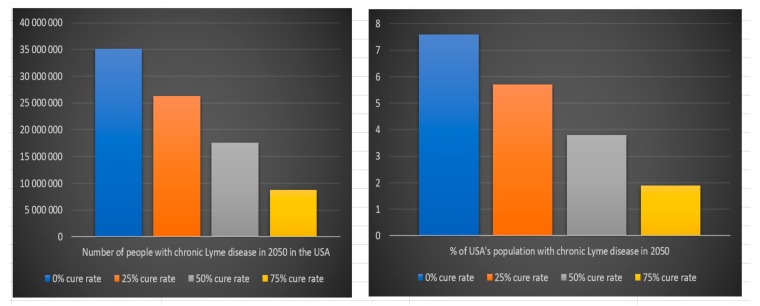
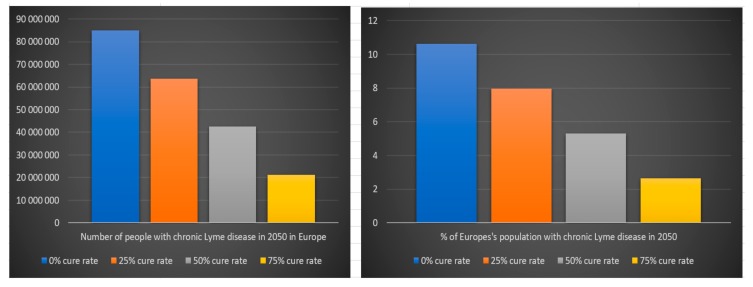
Number of people with chronic Lyme disease in 2050 in the USA
Figure 18
Figure 18
Number of people with chronic Lyme disease in 2050 in Europe.
Figure 19
Figure 19
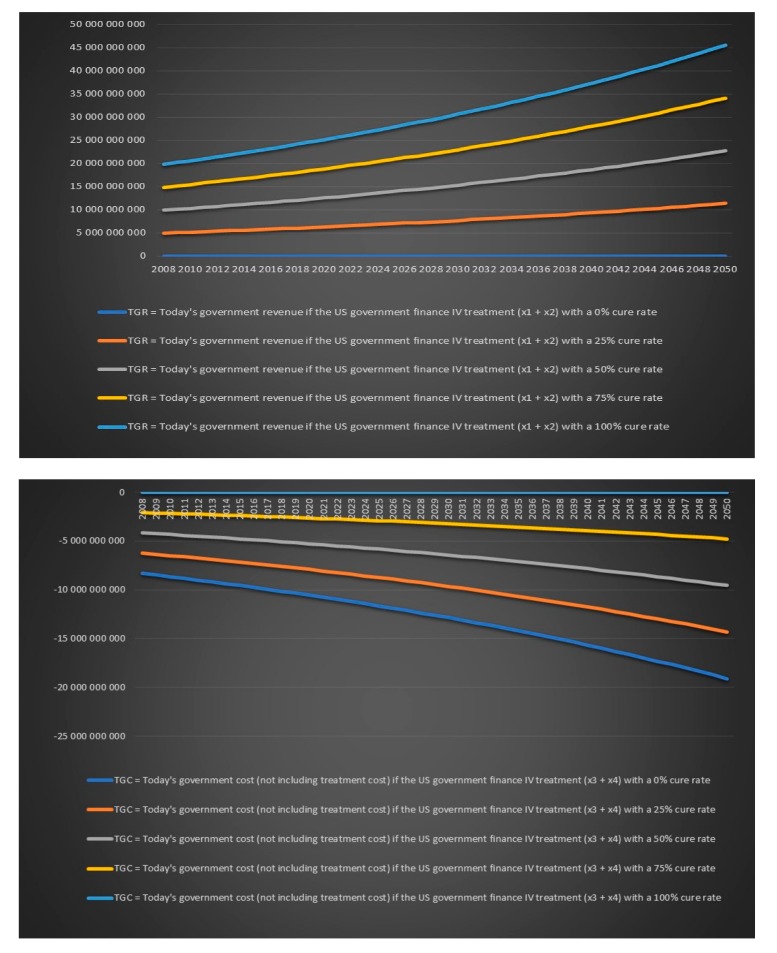
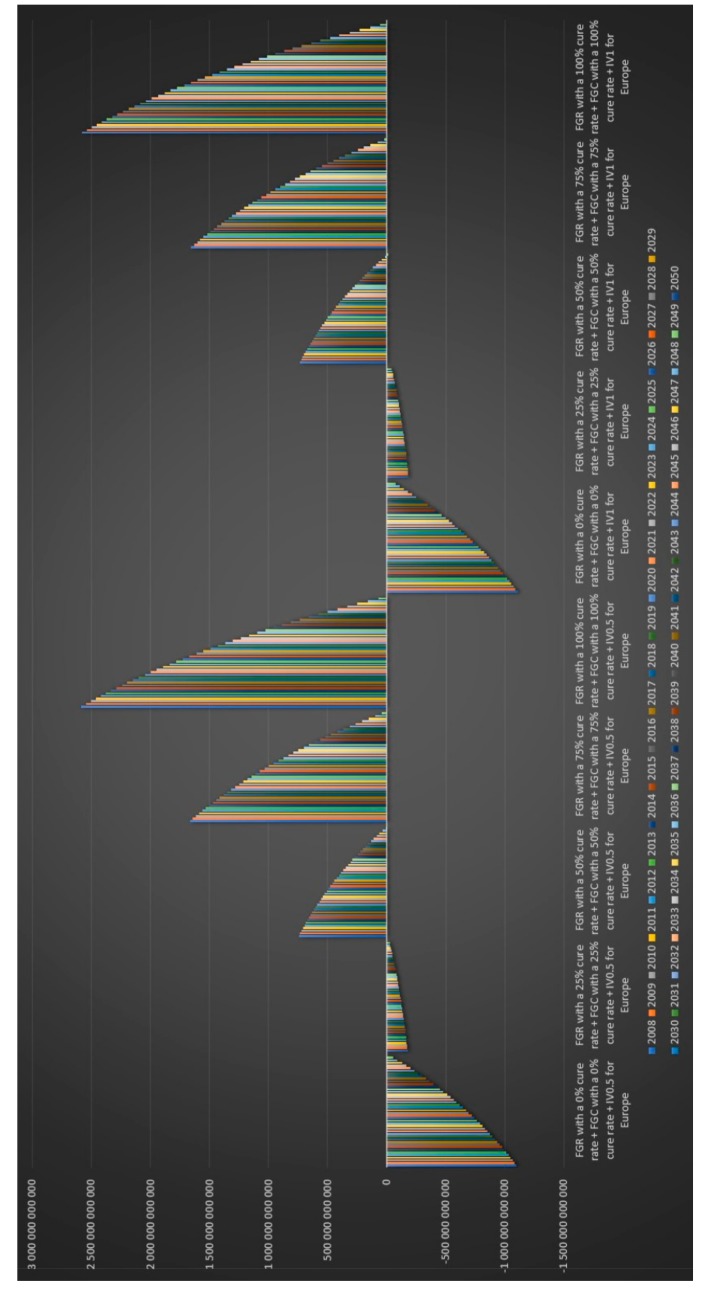
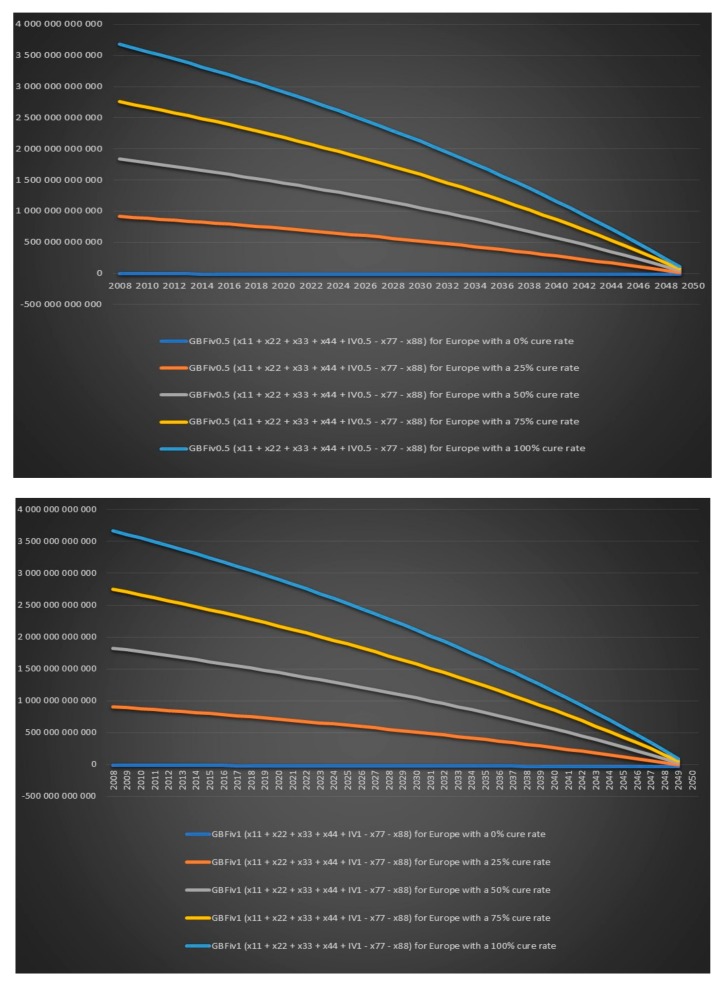
Today’s government costs and revenues in the USA over time.
Figure 19
Figure 19
Today’s government costs and revenues in the USA over time.
Figure 19
Figure 19
Today’s government costs and revenues in the USA over time.
Figure 20
Figure 20
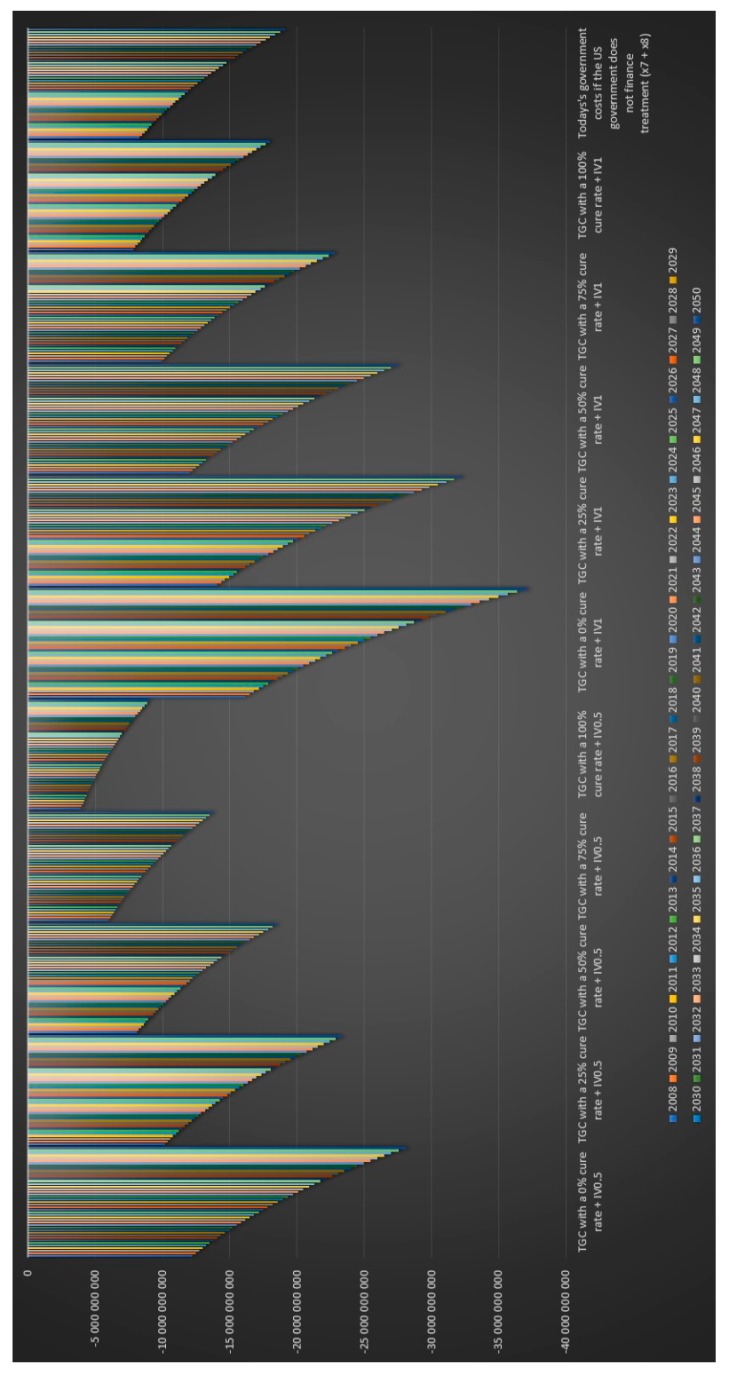
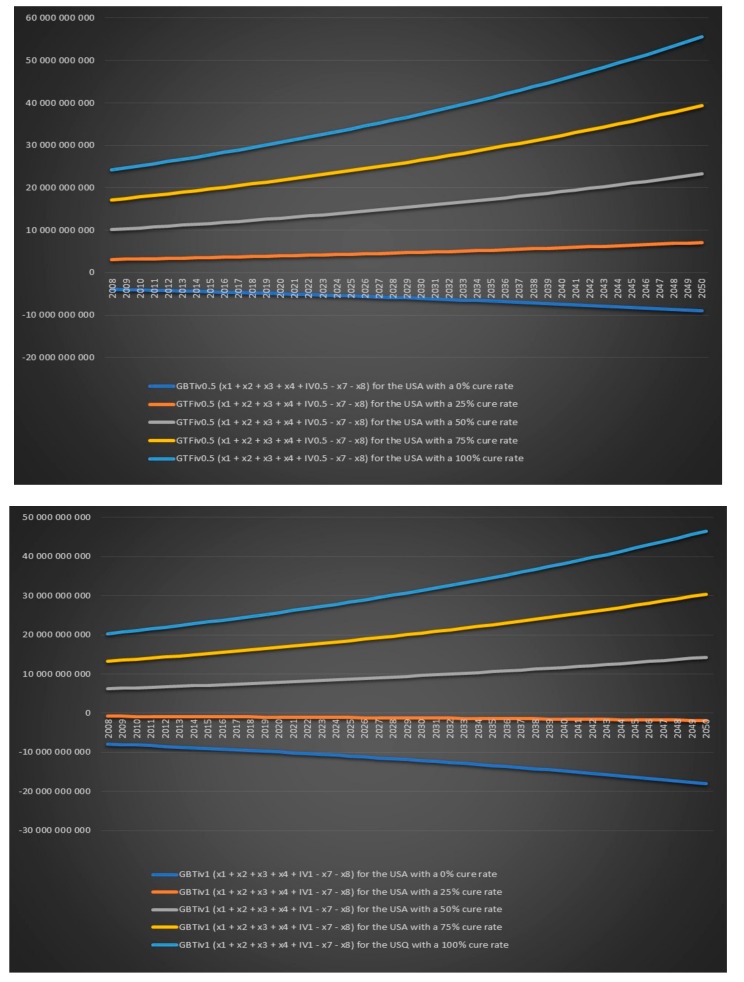
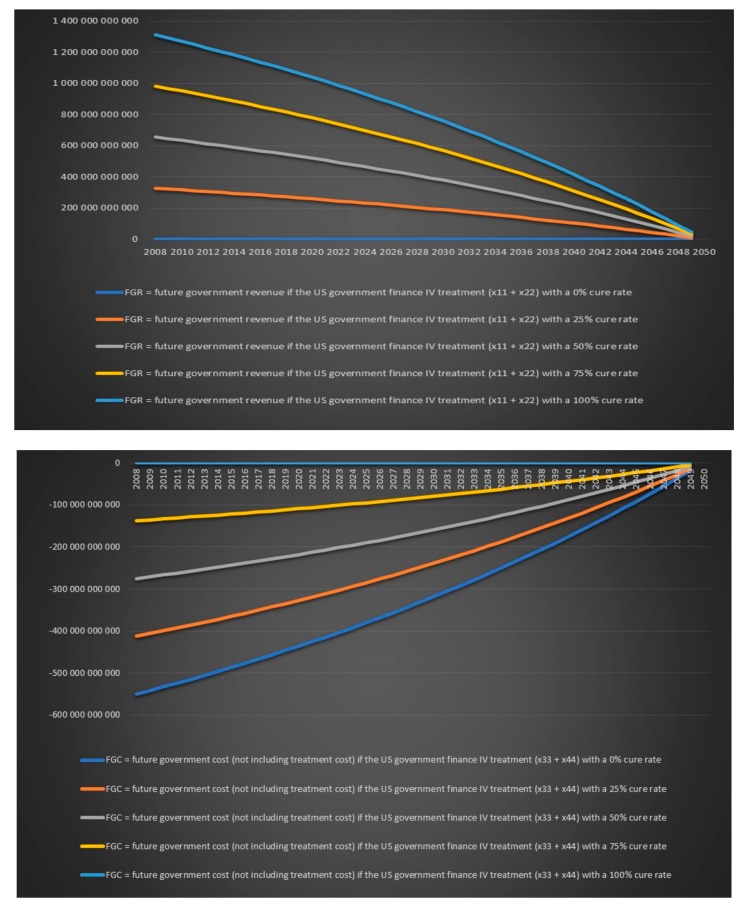
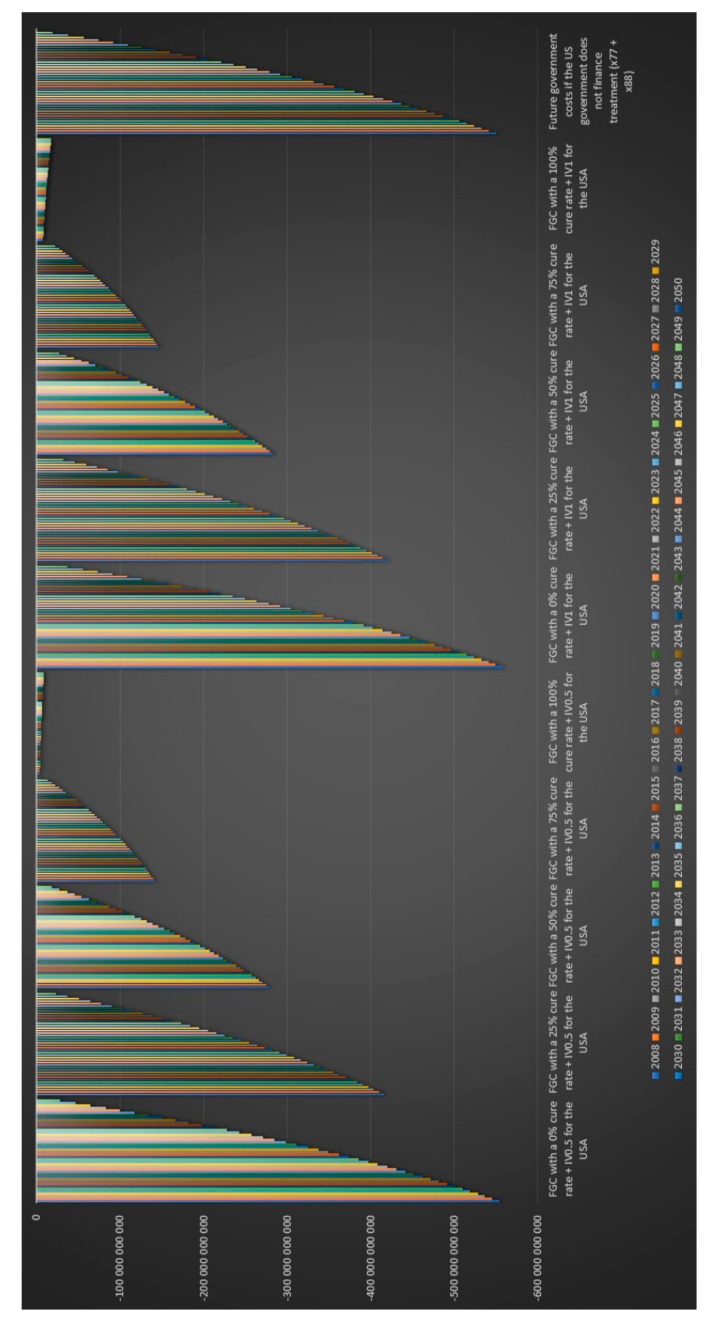
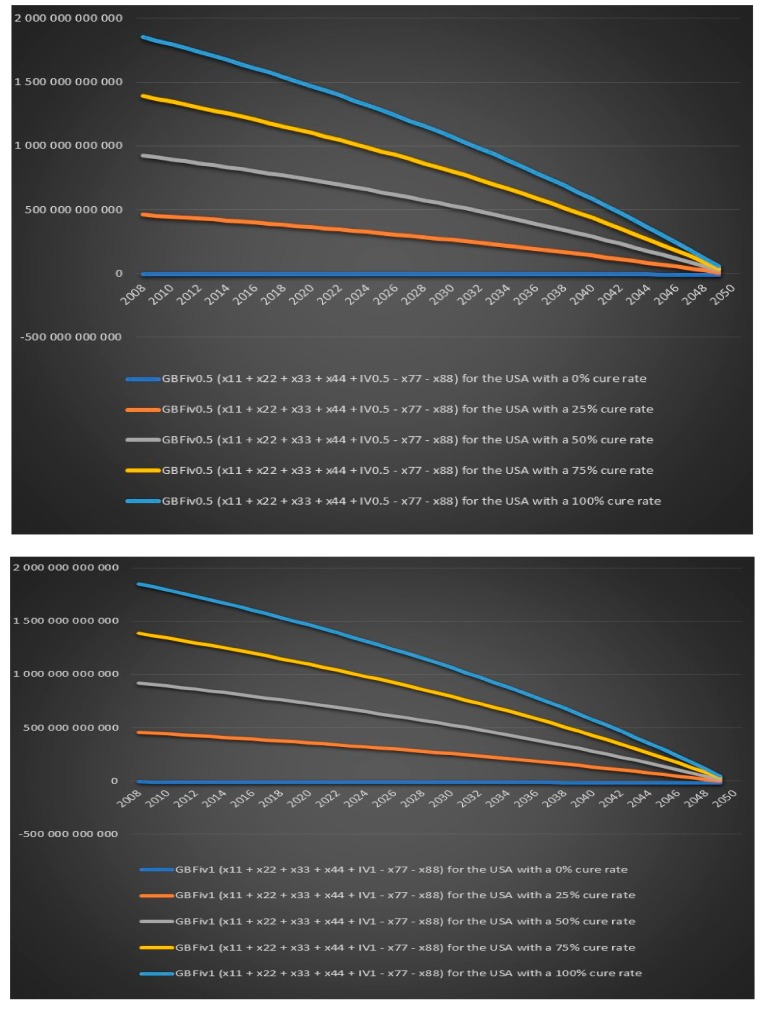
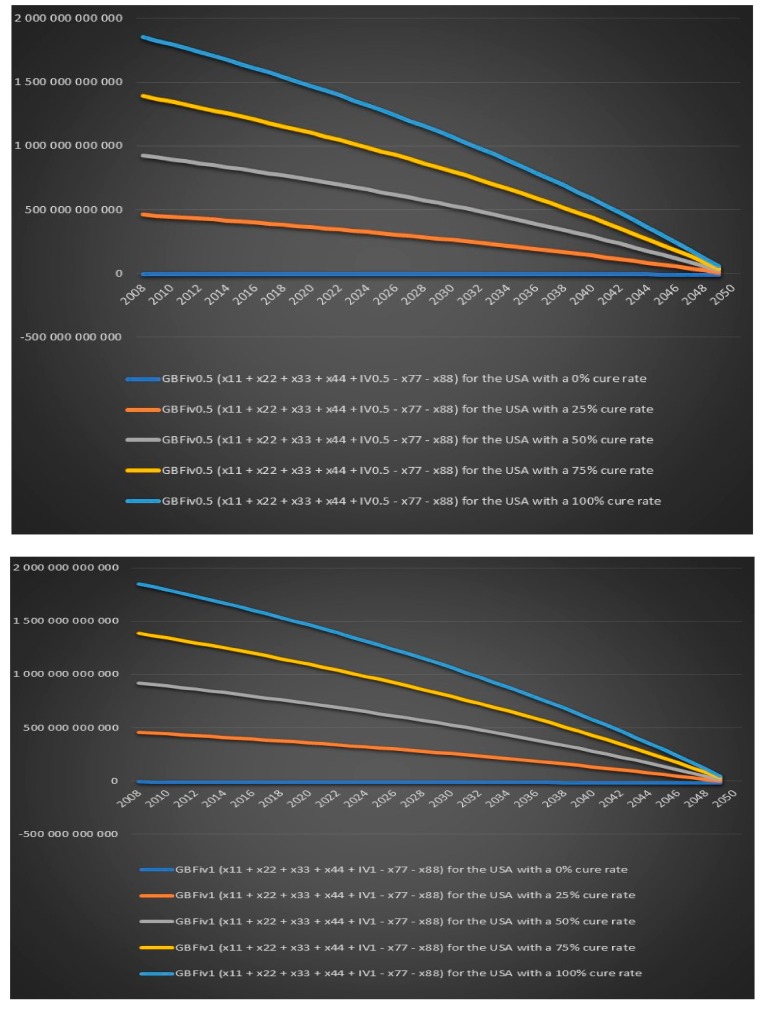
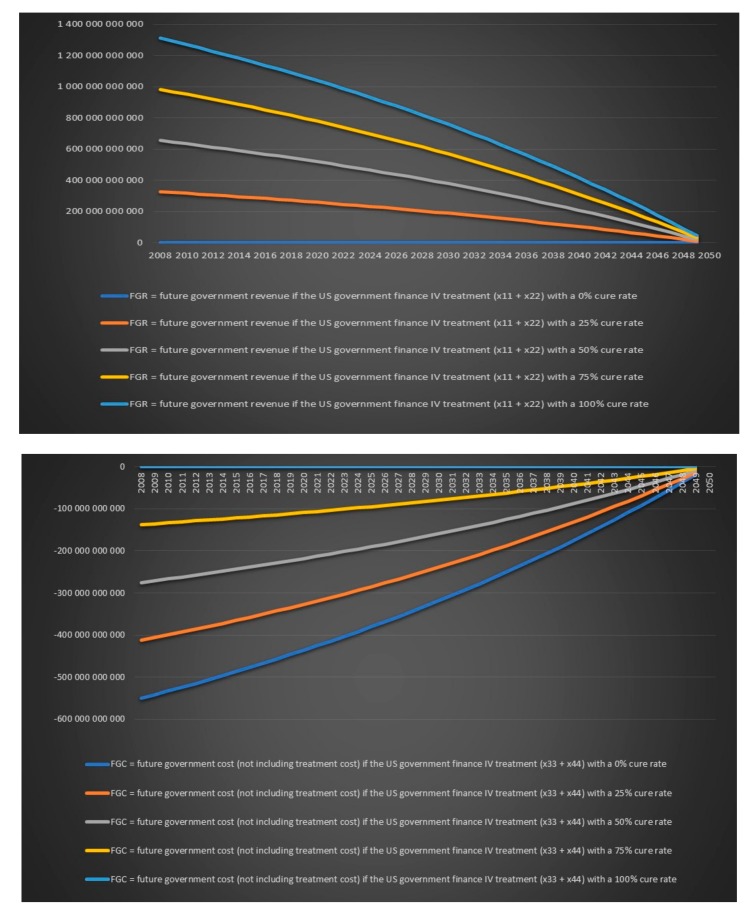
Future government costs and revenues in the USA over time.
Figure 20
Figure 20
Future government costs and revenues in the USA over time.
Figure 20
Figure 20
Future government costs and revenues in the USA over time.
Figure 21
Figure 21
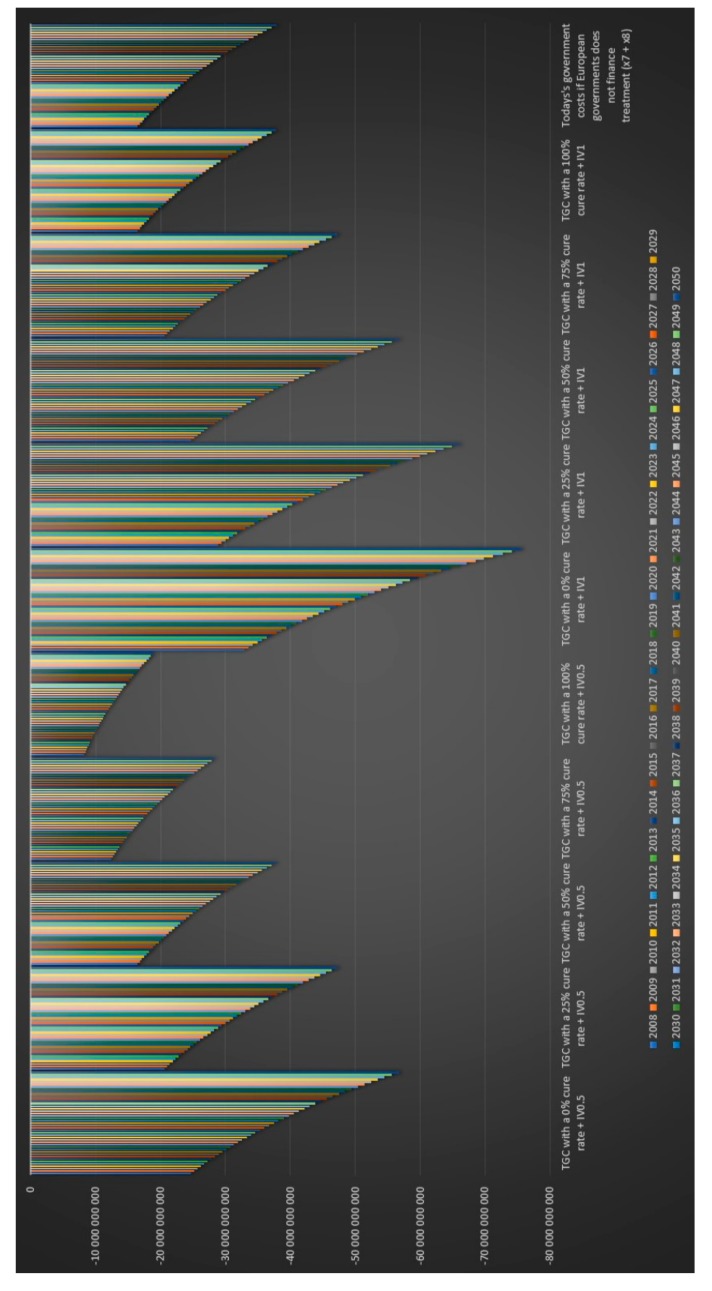
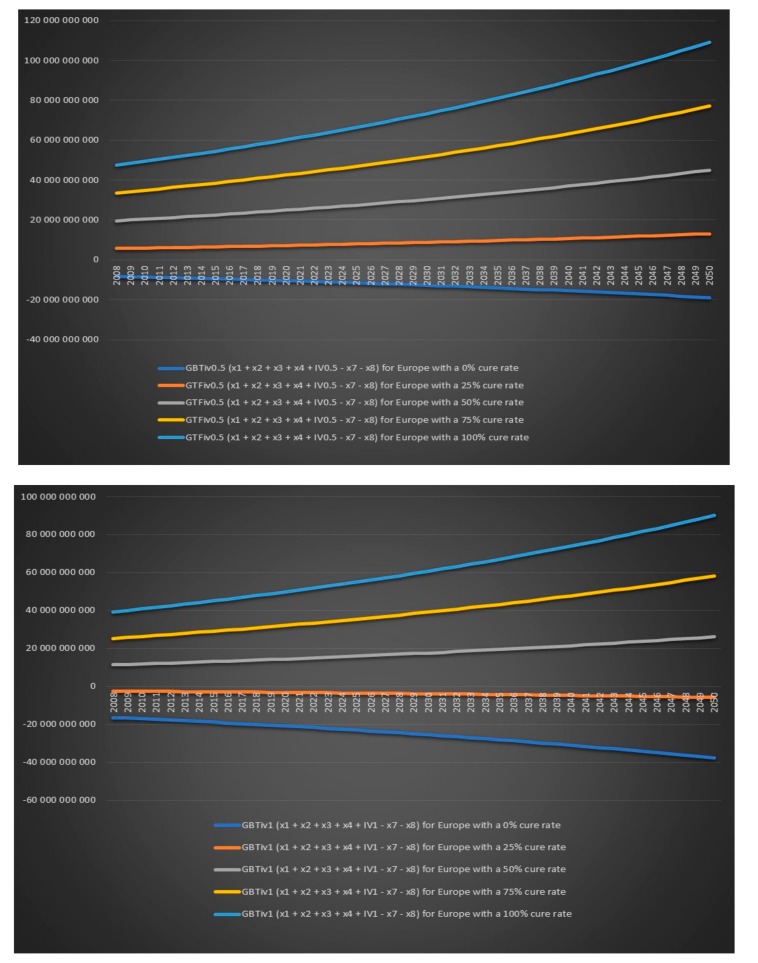
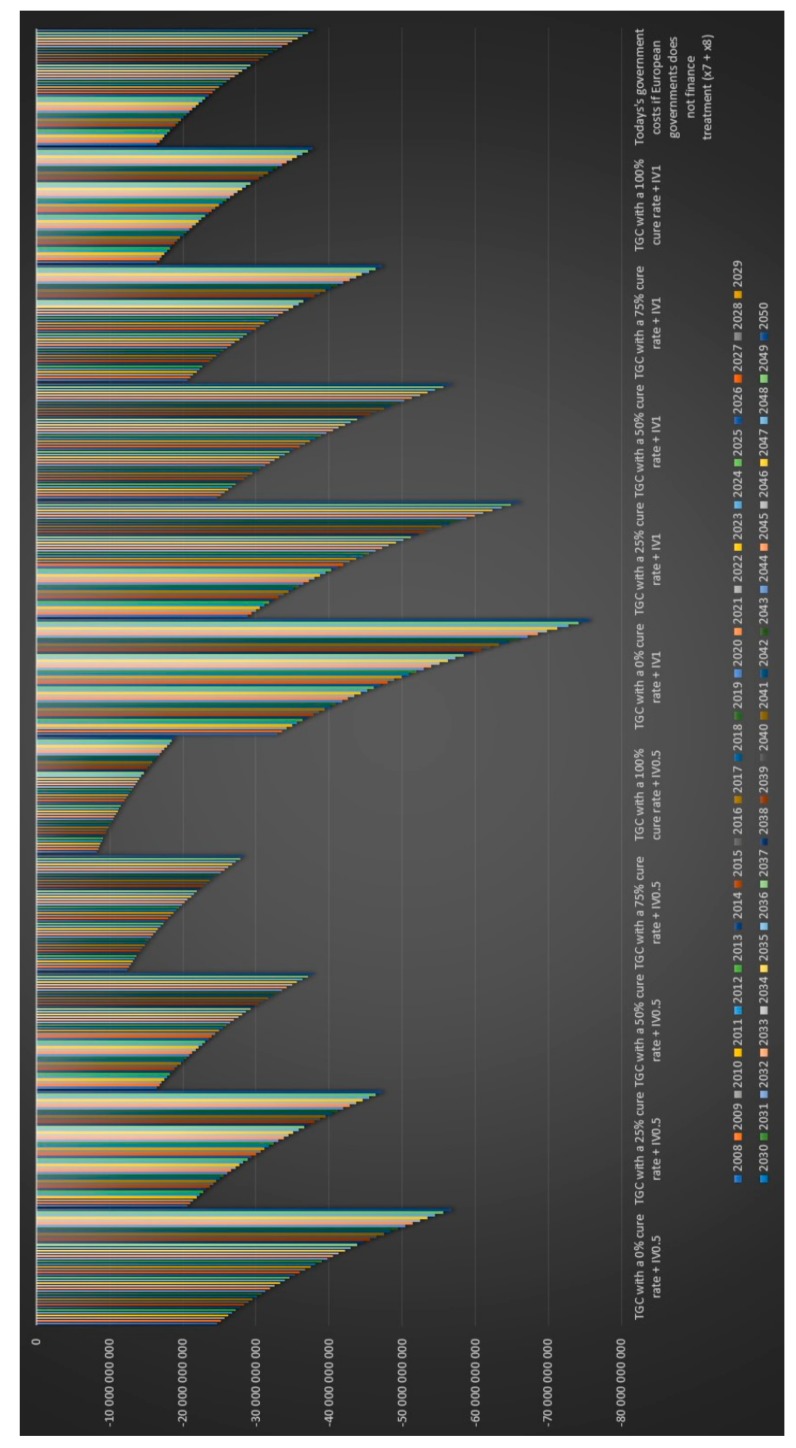
Today’s government costs and revenues in Europe over time.
Figure 21
Figure 21
Today’s government costs and revenues in Europe over time.
Figure 21
Figure 21
Today’s government costs and revenues in Europe over time.
Figure 22
Figure 22
Future government costs and revenues in Europe over time.
Figure 22
Figure 22
Future government costs and revenues in Europe over time.
Figure 22
Figure 22
Future government costs and revenues in Europe over time.
Figure 22
Figure 22
Future government costs and revenues in Europe over time.

References

    1. Harvey W.T., Salvato P. “Lyme disease”: Ancient engine of an unrecognized borreliosis pandemic? Med. Hypotheses. 2003;60:742–759. doi: 10.1016/S0306-9877(03)00060-4. - DOI - PubMed
    1. Cameron D.J. Proof That Chronic Lyme Disease Exists. Interdiscip. Perspect. Infect. Dis. [(accessed on 21 March 2017)];2010 Available online: http://www.ncbi.nlm.nih.gov/pmc/articles/PMC2876246/ - PMC - PubMed
    1. ECDC Borreliosis. Borre. [(accessed on 21 March 2017)];2017 Available online: http://ecdc.europa.eu/en/healthtopics/emerging_and_vector-borne_diseases....
    1. Tonks A. Lyme wars. BMJ. 2007;335:910–912. doi: 10.1136/bmj.39363.530961.AD. - DOI - PMC - PubMed
    1. Stricker R.B., Johnson L. Lyme Disease: Call for a “Manhattan Project” to Combat the Epidemic. PLoS Pathog. 2014;10:e1003796. doi: 10.1371/journal.ppat.1003796. - DOI - PMC - PubMed

LinkOut - more resources