


Sleep disturbances in women with polycystic ovary syndrome: prevalence, pathophysiology, impact and management strategies
- PMID: 29440941
- PMCID: PMC5799701
- DOI: 10.2147/NSS.S127475
Sleep disturbances in women with polycystic ovary syndrome: prevalence, pathophysiology, impact and management strategies
Abstract
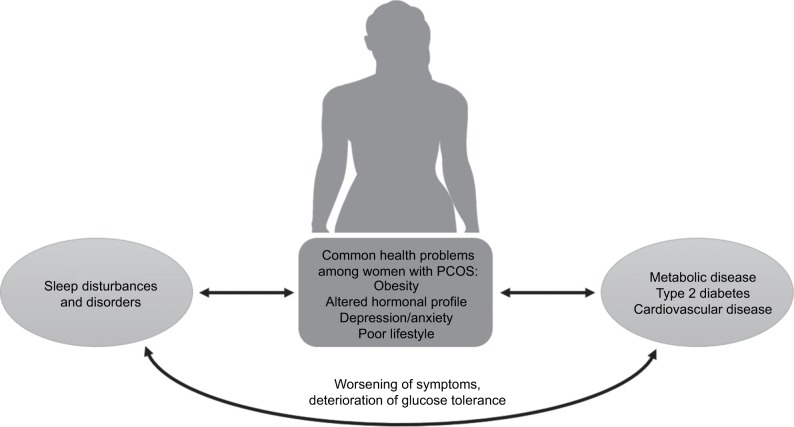
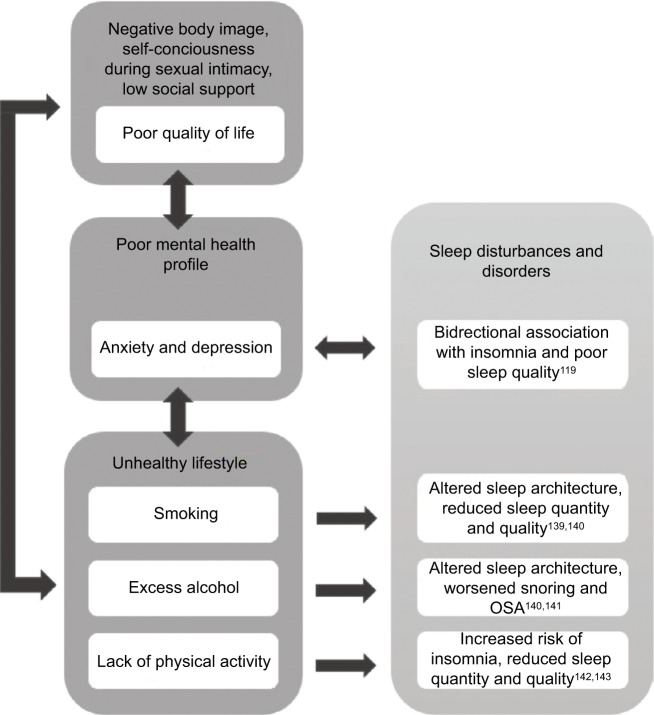
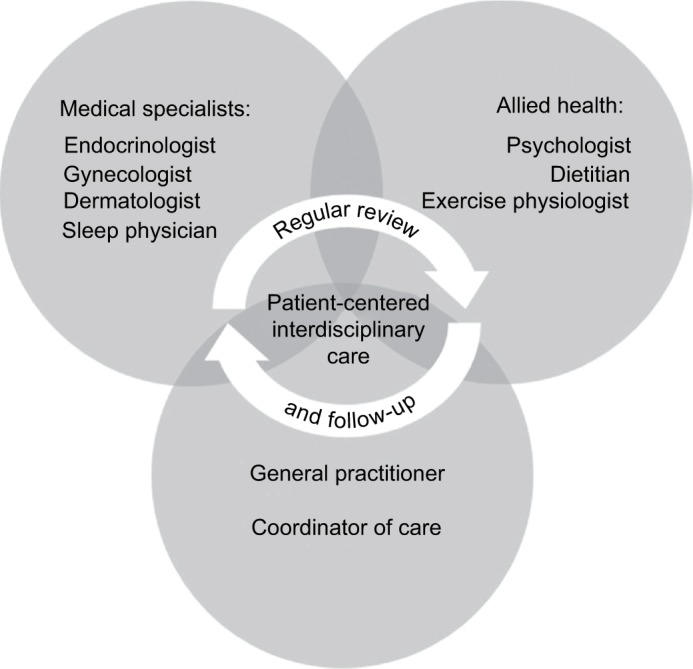
Polycystic ovary syndrome (PCOS) is a complex endocrine disorder affecting the reproductive, metabolic and psychological health of women. Clinic-based studies indicate that sleep disturbances and disorders including obstructive sleep apnea and excessive daytime sleepiness occur more frequently among women with PCOS compared to comparison groups without the syndrome. Evidence from the few available population-based studies is supportive. Women with PCOS tend to be overweight/obese, but this only partly accounts for their sleep problems as associations are generally upheld after adjustment for body mass index; sleep problems also occur in women with PCOS of normal weight. There are several, possibly bidirectional, pathways through which PCOS is associated with sleep disturbances. The pathophysiology of PCOS involves hyperandrogenemia, a form of insulin resistance unique to affected women, and possible changes in cortisol and melatonin secretion, arguably reflecting altered hypothalamic-pituitary-adrenal function. Psychological and behavioral pathways are also likely to play a role, as anxiety and depression, smoking, alcohol use and lack of physical activity are also common among women with PCOS, partly in response to the distressing symptoms they experience. The specific impact of sleep disturbances on the health of women with PCOS is not yet clear; however, both PCOS and sleep disturbances are associated with deterioration in cardiometabolic health in the longer term and increased risk of type 2 diabetes. Both immediate quality of life and longer-term health of women with PCOS are likely to benefit from diagnosis and management of sleep disorders as part of interdisciplinary health care.
Keywords: cardiometabolic health; hypothalamic-pituitary-adrenal; polycystic ovary syndrome; sleep; sleep disturbance.
Conflict of interest statement
Disclosure The authors report no conflicts of interest in this work.
Figures
References
-
- Stein IF, Leventhal ML. Amenorrhea associated with bilateral polycystic ovaries. Am J Obstet Gynecol. 1935;29(2):181–191.
-
- Javed A, Kumar S, Simmons PS, Lteif AN. Phenotypic characterization of polycystic ovary syndrome in adolescents based on menstrual irregularity. Horm Res Paediatr. 2015;84(4):223–230. - PubMed
Publication types
LinkOut - more resources
Full Text Sources
Other Literature Sources
