


The Role of Cytochromes P450 in Infection
- PMID: 29445375
- PMCID: PMC5797775
- DOI: 10.3389/fimmu.2018.00089
The Role of Cytochromes P450 in Infection
Abstract
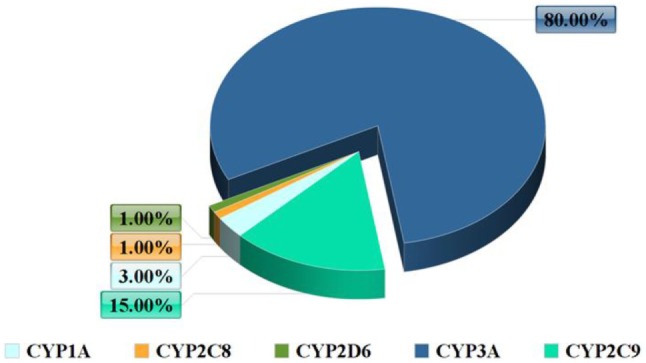
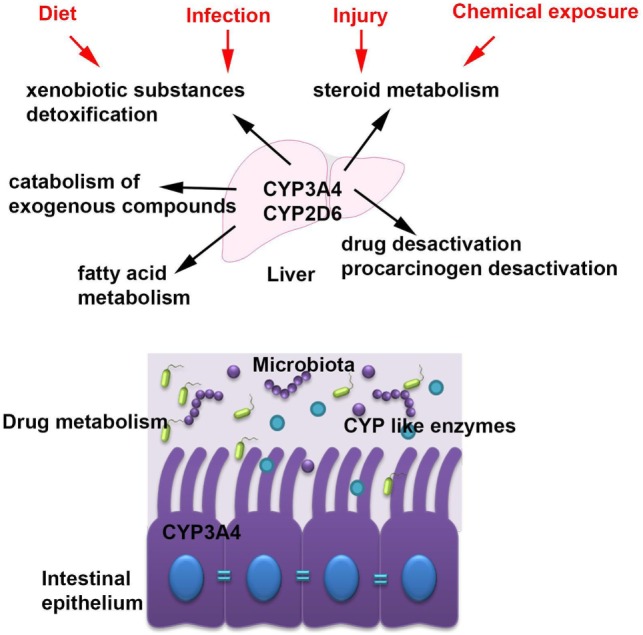
Cytochromes are expressed in many different tissues of the human body. They are found mostly in intestinal and hepatic tissues. Cytochromes P450 (CYPs) are enzymes that oxidize substances using iron and are able to metabolize a large variety of xenobiotic substances. CYP enzymes are linked to a wide array of reactions including and O-dealkylation, S-oxidation, epoxidation, and hydroxylation. The activity of the typical P450 cytochrome is influenced by a variety of factors, such as genus, environment, disease state, herbicide, alcohol, and herbal medications. However, diet seems to play a major role. The mechanisms of action of dietary chemicals, macro- and micronutrients on specific CYP isoenzymes have been extensively studied. Dietary modulation has effects upon the metabolism of xenobiotics. Cytochromes harbor intra- or interindividual and intra- or interethnic genetic polymorphisms. Bacteria were shown to express CYP-like genes. The tremendous metabolic activity of the microbiota is associated to its abundant pool of CYP enzymes, which catalyze phase I and II reactions in drug metabolism. Disease states, intestinal disturbances, aging, environmental toxic effects, chemical exposures or nutrition modulate the microbial metabolism of a drug before absorption. A plethora of effects exhibited by most of CYP enzymes can resemble those of proinflammatory cytokines and IFNs. Moreover, they are involved in the initiation and persistence of pathologic pain by directly activating sensory neurons and inflammatory cytokines.
Keywords: P450 cytochrome; cytochromes; infection; inflammation; microbiota and immunity.
Figures
References
Publication types
MeSH terms
Substances
LinkOut - more resources
Full Text Sources
Other Literature Sources
