. 2018 Feb 15;9(3):269.
doi: 10.1038/s41419-018-0302-x.

EGFR-PI3K-PDK1 pathway regulates YAP signaling in hepatocellular carcinoma: the mechanism and its implications in targeted therapy

Affiliations

EGFR-PI3K-PDK1 pathway regulates YAP signaling in hepatocellular carcinoma: the mechanism and its implications in targeted therapy

Hongwei Xia et al. Cell Death Dis. .

Abstract

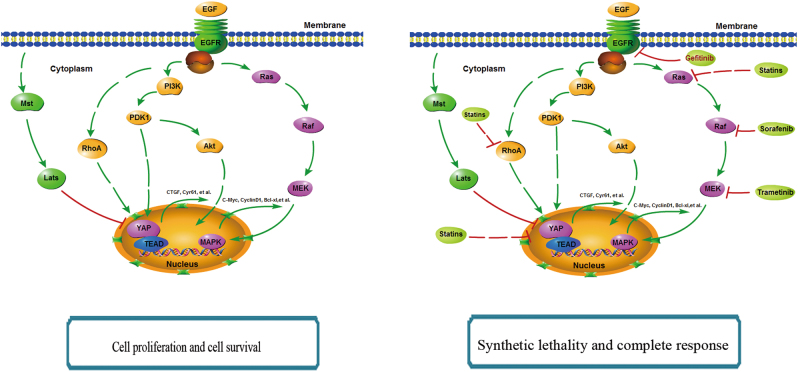
The epidermal growth factor receptor (EGFR) pathway and Hippo signaling play an important role in the carcinogenesis of hepatocellular carcinoma (HCC). However, the crosstalk between these two pathways and its implications in targeted therapy remains unclear. We found that the activated EGFR signaling could bypass RhoA to promote the expression of YAP(Yes-associated protein), the core effector of the Hippo signaling, and its downstream target Cyr61. Further studies indicated that EGFR signaling mainly acted through the PI3K-PDK1 (Phosphoinositide 3-kinase-Phosphoinositide-dependent kinase-1) pathway to activate YAP, but not the AKT and MAPK pathways. While YAP knockdown hardly affected the EGFR signaling. In addition, EGF could promote the proliferation of HCC cells in a YAP-independent manner. Combined targeting of YAP and EGFR signaling by simvastatin and the EGFR signaling inhibitors, including the EGFR tyrosine kinase inhibitor (TKI) gefitinib, the RAF inhibitor sorafenib and the MEK inhibitor trametinib, presented strong synergistic cytotoxicities in HCC cells. Therefore, the EGFR-PI3K-PDK1 pathway could activate the YAP signaling, and the activated EGFR signaling could promote the HCC cell growth in a YAP-independent manner. Combined use of FDA-approved inhibitors to simultaneously target YAP and EGFR signaling presented several promising therapeutic approaches for HCC treatment.


Conflict of interest statement

Conflict of interest

The authors declare that they have no conflict of interest.

Ethics approval

This study was approved by the Clinical Research Ethics Committee of West China Hospital, and all experiments were performed in accordance with relevant guidelines and regulations.

Figures
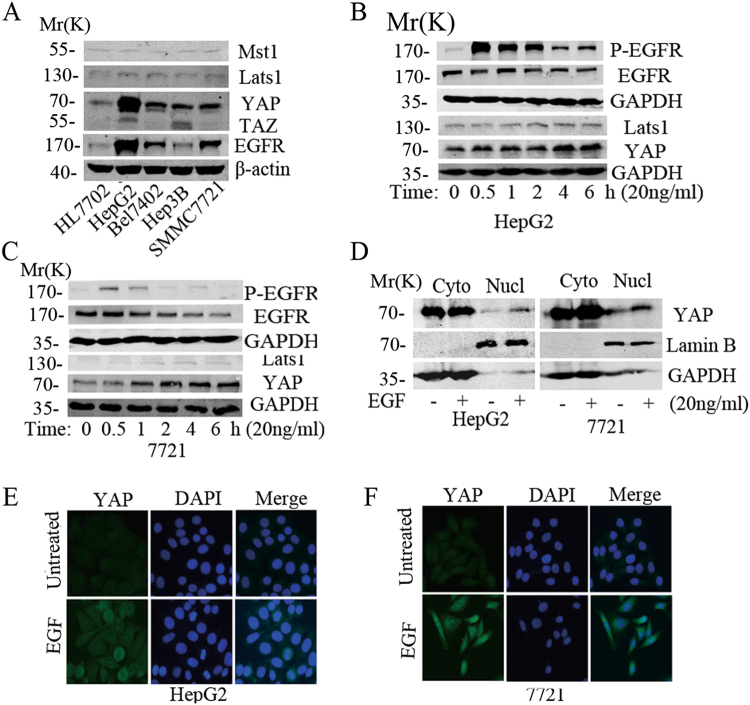
Fig. 1
Fig. 1. The activated EGFR signaling enhanced the expression of the core Hippo signaling effector YAP.
a WB was used to examine the expression of EGFR and the core effectors of Hippo signaling in HCC cells. b, c Time dependent effect of EGF on the expression YAP and Lats1 in HepG2 and SMMC 7721 cells. d The HepG2 and 7721 cells were plated in the 10 cm dish and then serum-free starved for one night. After 20 ng/ml EGF stimulated for 2 h, the cytoplasmic and nuclear proteins were extracted. The protein samples were subjected to immunobloting with the indicated antibodies. GAPDH and LaminB were as cytoplasm and nucleus loading control, respectively. e, f Immunofluorescence was used to detect the effect of 20 ng/ml EGF stimulation on the expression and localization of YAP in HepG2 and SMMC7721 cells
Fig. 2
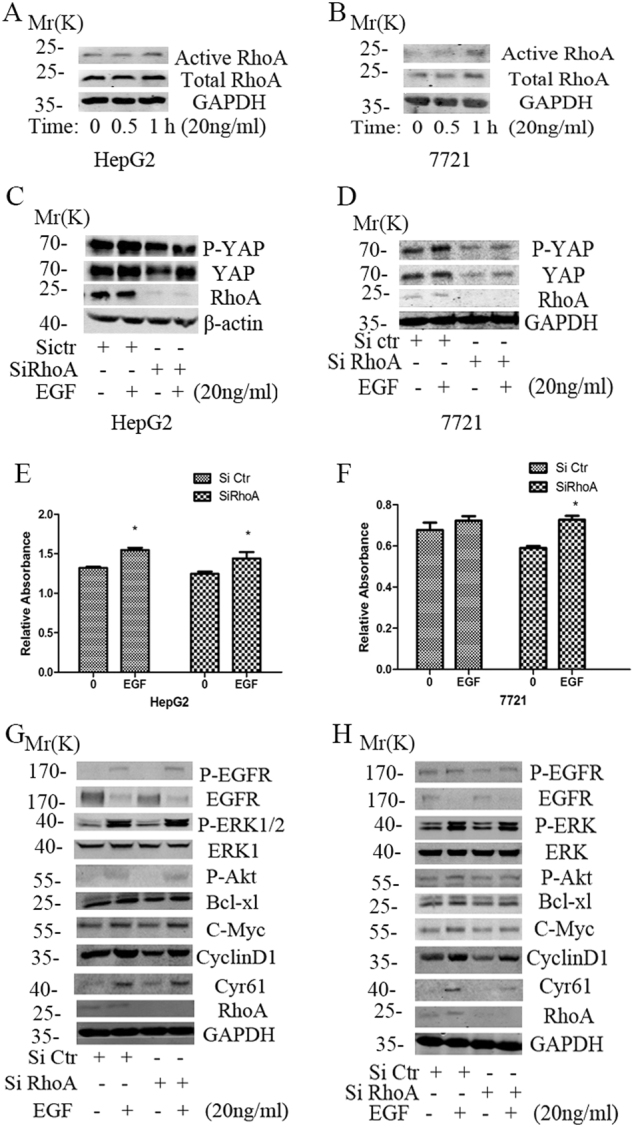
Fig. 2. The activated EGFR signaling could enhance the expression of YAP in a RhoA independent manner in HCC cells.
a, b Rhotekin pulldown assay was performed to examine the effect of 20 ng/ml EGF on the activity of RhoA in HepG2 and SMMC7721 cells. c, d After serum starving for one night, western blot were performed to detect the effect of 20 ng/ml EGF on the expressions of YAP in the cells transfected with SiRhoA in HepG2 and SMMC7721 cells. e, f CCK8 assays were used to detect the effect of RhoA knockdown combined with 50 ng/ml EGF stimulation for 48 h on the proliferation of the two HCC cell lines. g, h WB was used to examine the effect of combined treatment on the core effectors of the EGFR downstream signaling
Fig. 3
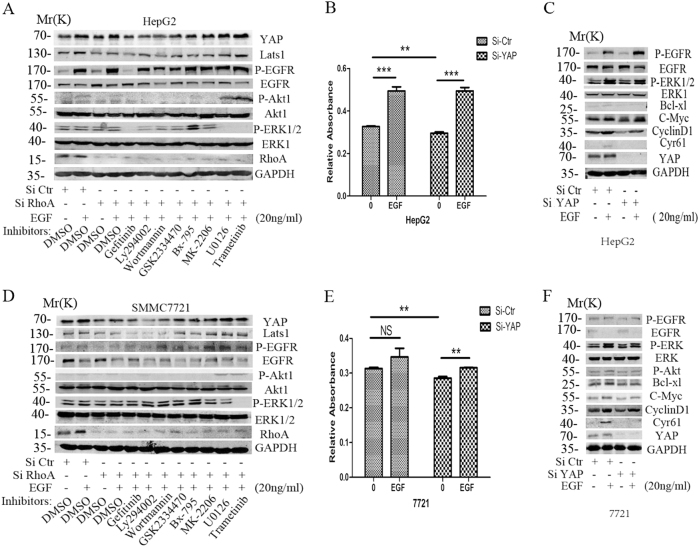
Fig. 3. EGF mainly acts through the EGFR-PI3K-PDK1 pathway to enhance the expression of YAP in HCC cells.
a, b WB was used to detect the effect of EGF treatment for 4 h on the expression of YAP with the inhibitors of EGFR or its downsream members, including the EGFR inhibitor (10uM Gefitinib), PI3K inhibitor (10 uM LY294002, 5 uM Wortmannin), PDK1 inhibitor (10uM GSK2334470, 10 uM BX-795), pan-Akt inhibitor(10 uM MK-2206) and MEK inhibitor(10 uM Trametinib, 10 uM U0126) in the Si RhoA transfected HepG2 and SMMC7721 cells for 48 h in HepG2 and SMMC7721 cells. c, d CCK8 assays were used to detect the effect of YAP knockdown combined with 50 ng/ml EGF stimulation for 48 h on the proliferation of the two HCC cell lines. e, f WB was used to examine the effect of combined treatment on the core effectors of the EGFR downstream signaling. T-test was used to detect the difference. (*P < 0.05, **P < 0.01, ***P < 0.001)
Fig. 4
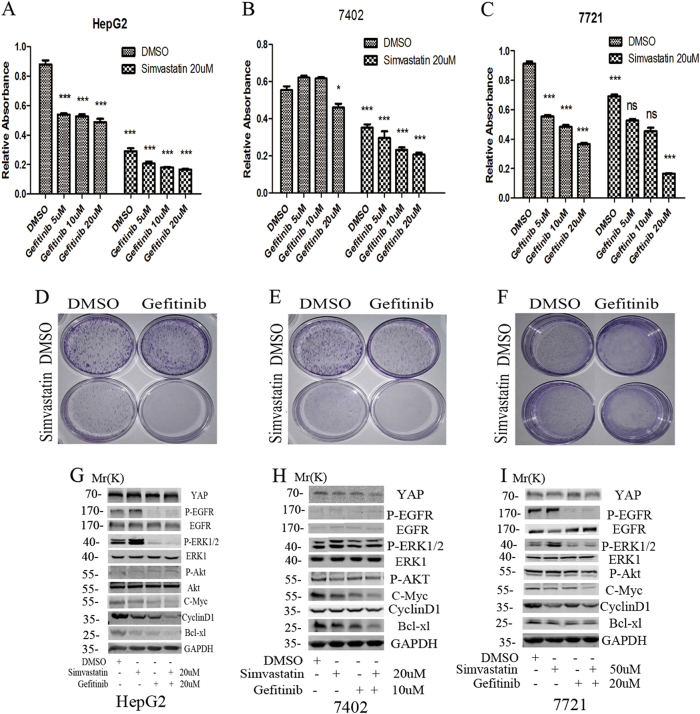
Fig. 4. The combined effect of simvastatin and gefitinib in HCC cells.
a, b, c CCK8 assays were used to detect the effect of simvastatin (YAP inhibitor) combined with gefitinib (EGFR inhibitor) on the proliferation in HepG2, Bel 7402 and SMMC7721 HCC cells. d, e, f Colony formation assays were used to detect the effect of simvastatin (YAP inhibitor) combined with gefitinib (EGFR inhibitor) on the survival of HCC cells. g, h, i WB was used to examine the effect of combined treatment on the core effectors of downstream signaling
Fig. 5
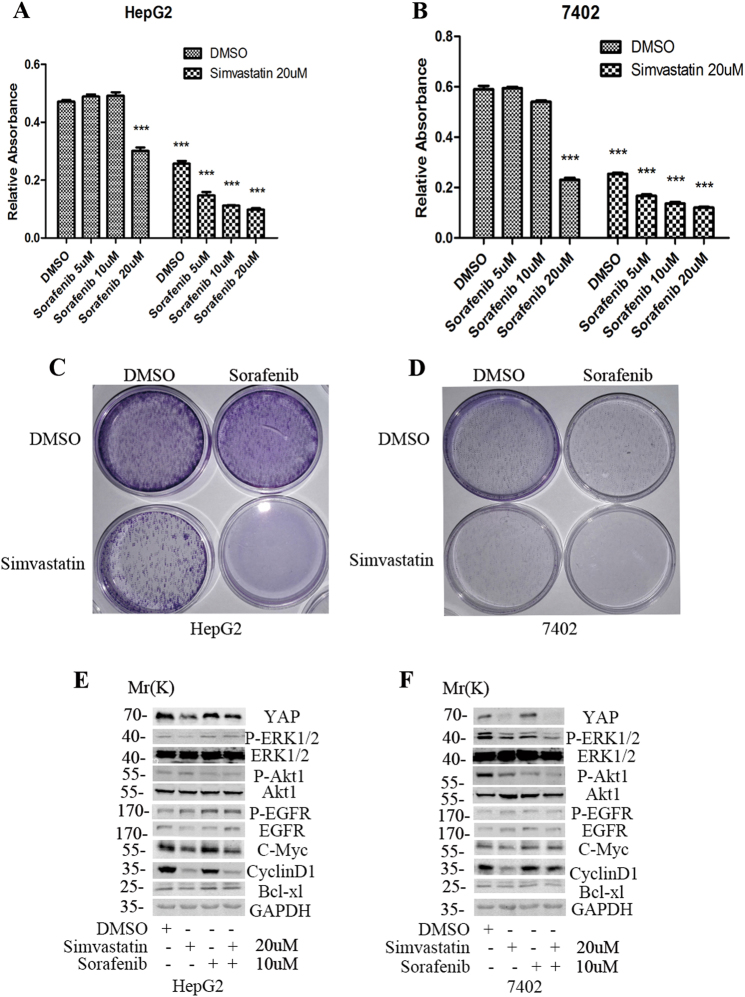
Fig. 5. The combined effect of simvastatin and sorafenib in HCC cells.
a, b CCK8 assays were used to detect the effect of simvastatin combined with sorafenib (Raf inhibitor) on the proliferation in HepG2 and SMMC7721 HCC cells. c, d, Colony formation assays were used to detect the effect of simvastatin combined with sorafenib on the survival of HCC cells. e, f WB was used to examine the effect of combined treatment on the core effectors of downstream signaling
Fig. 6
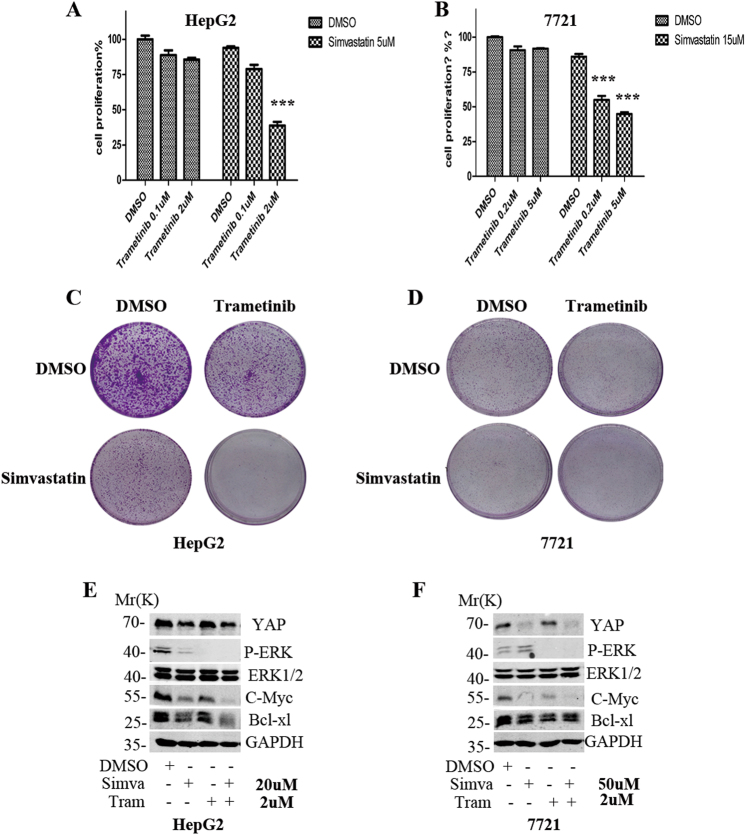
Fig. 6. The combined effect of simvastatin and trametinib in HCC cells.
a, b CCK8 assays were used to detect the effect of simvastatin combined with trametinib (MEK inhibitor) on the proliferation in HepG2 and SMMC7721 HCC cells. c, d, Colony formation assays were used to detect the effect of simvastatin combined with trametinib on the survival of HCC cells. e, f WB was used to examine the effect of combined treatment on the core effectors of downstream signaling
Fig. 7
Fig. 7
The proposed model of the regulation mechanisms of Hippo pathway by the EGFR signaling

References

    1. Bruix J, et al. Conclusions of the Barcelona-2000 EASL conference: European Association for the Study of the Liver. J. Hepat. 2001;35:421–430. doi: 10.1016/S0168-8278(01)00130-1. - DOI - PubMed
    1. Torre LA, et al. Global cancer statistics, 2012. Cancer J. Clin. 2015;65:87–108. doi: 10.3322/caac.21262. - DOI - PubMed
    1. Llovet JM, Villanueva A, Lachenmayer A, Finn RS. Advances in targeted therapies for hepatocellular carcinoma in the genomic era. Nat. Rev. Clin. Oncol. 2015;12:408–424. doi: 10.1038/nrclinonc.2015.103. - DOI - PubMed
    1. Maluccio MaC. Recent progress in understanding, diagnosing, and treating hepatocellular carcinoma. Cancer J. Clin. 2012;62:394–399. doi: 10.3322/caac.21161. - DOI - PubMed
    1. Harvey KF, Zhang X, Thomas DM. The Hippo pathway and human cancer. Nat. Rev. Cancer. 2013;13:246–257. doi: 10.1038/nrc3458. - DOI - PubMed

Publication types

MeSH terms