


Curcumin treatment leads to better cognitive and mood function in a model of Gulf War Illness with enhanced neurogenesis, and alleviation of inflammation and mitochondrial dysfunction in the hippocampus
- PMID: 29454881
- PMCID: PMC7023905
- DOI: 10.1016/j.bbi.2018.01.009
Curcumin treatment leads to better cognitive and mood function in a model of Gulf War Illness with enhanced neurogenesis, and alleviation of inflammation and mitochondrial dysfunction in the hippocampus
Abstract
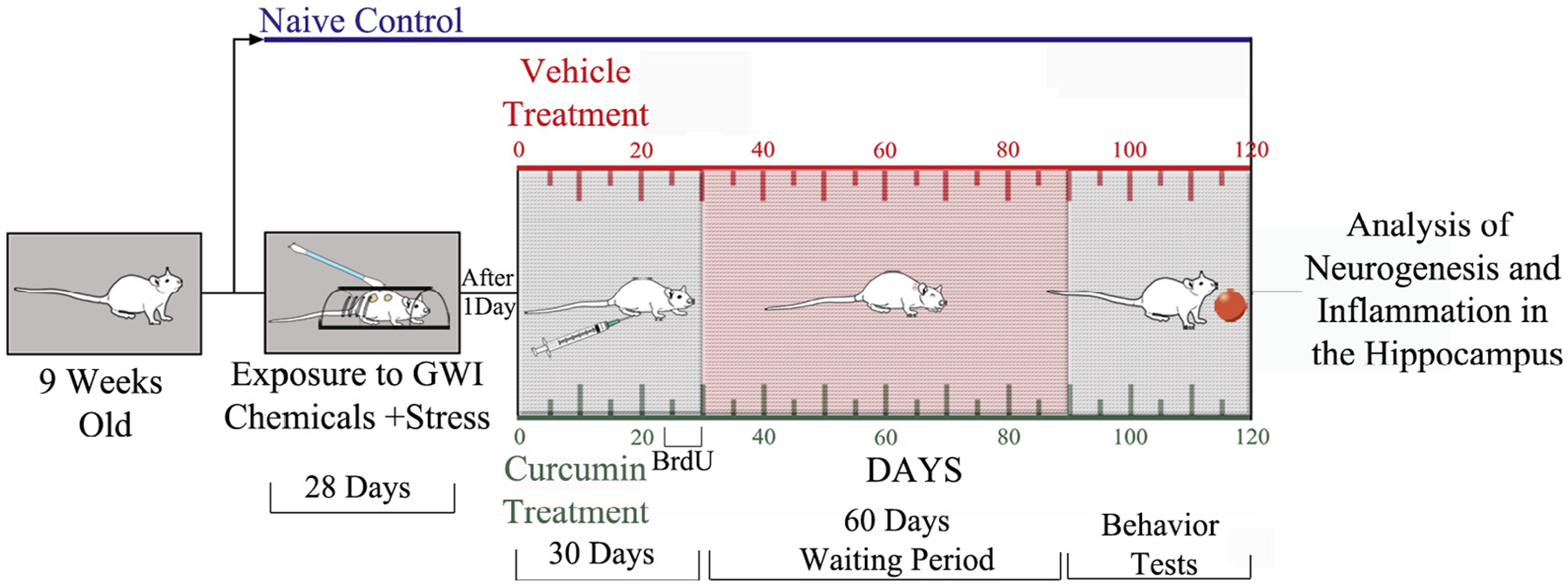
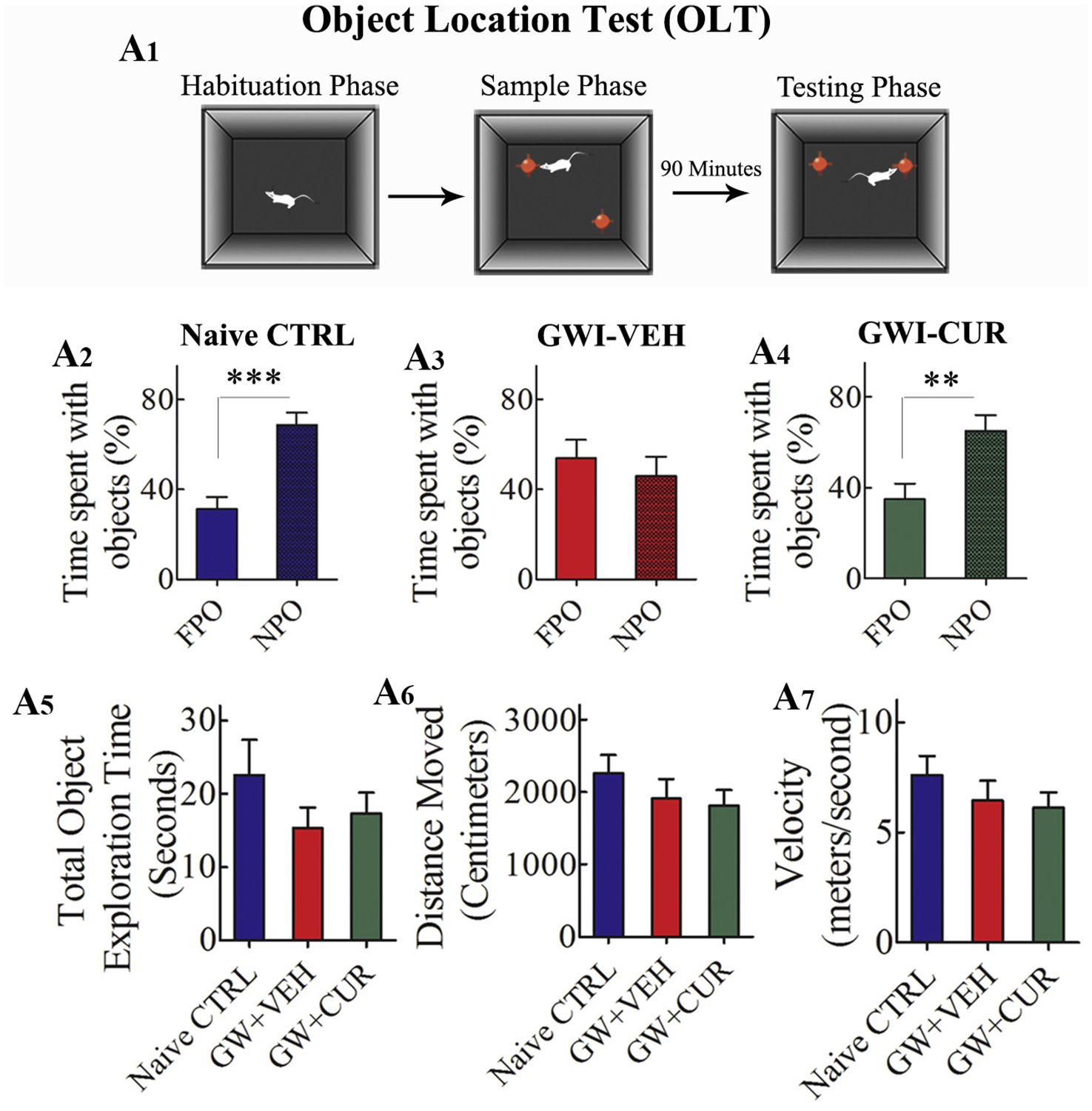
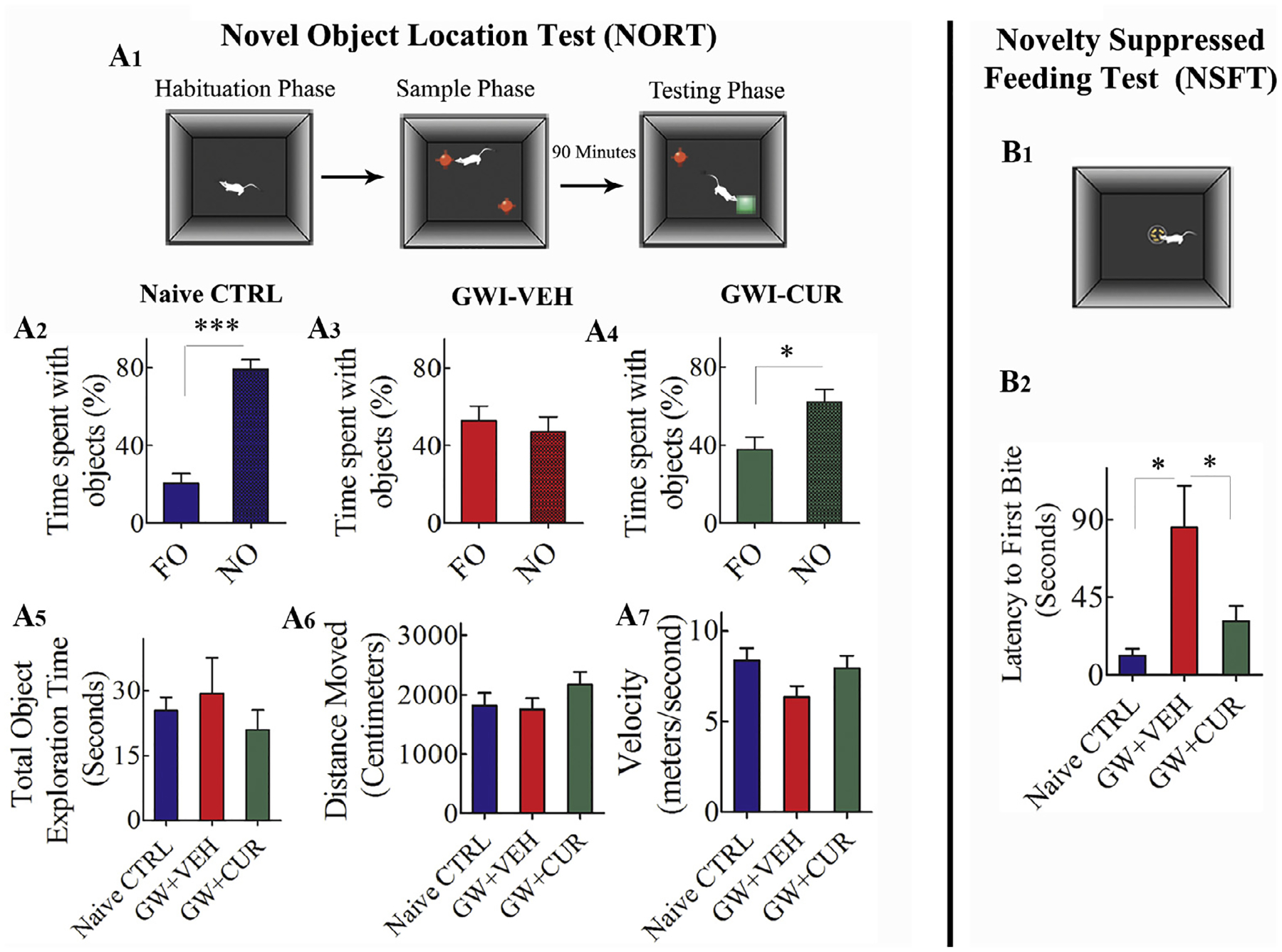
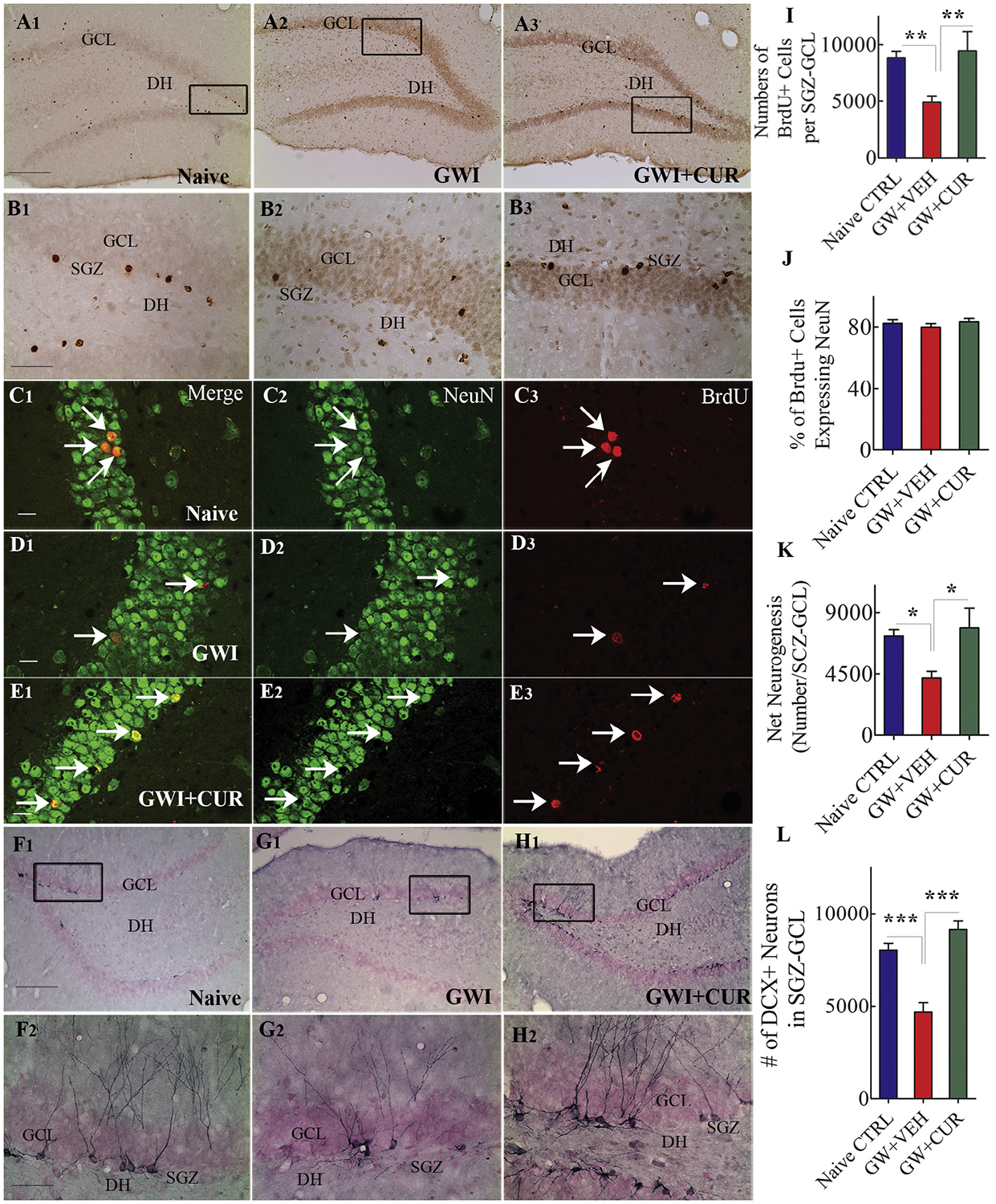
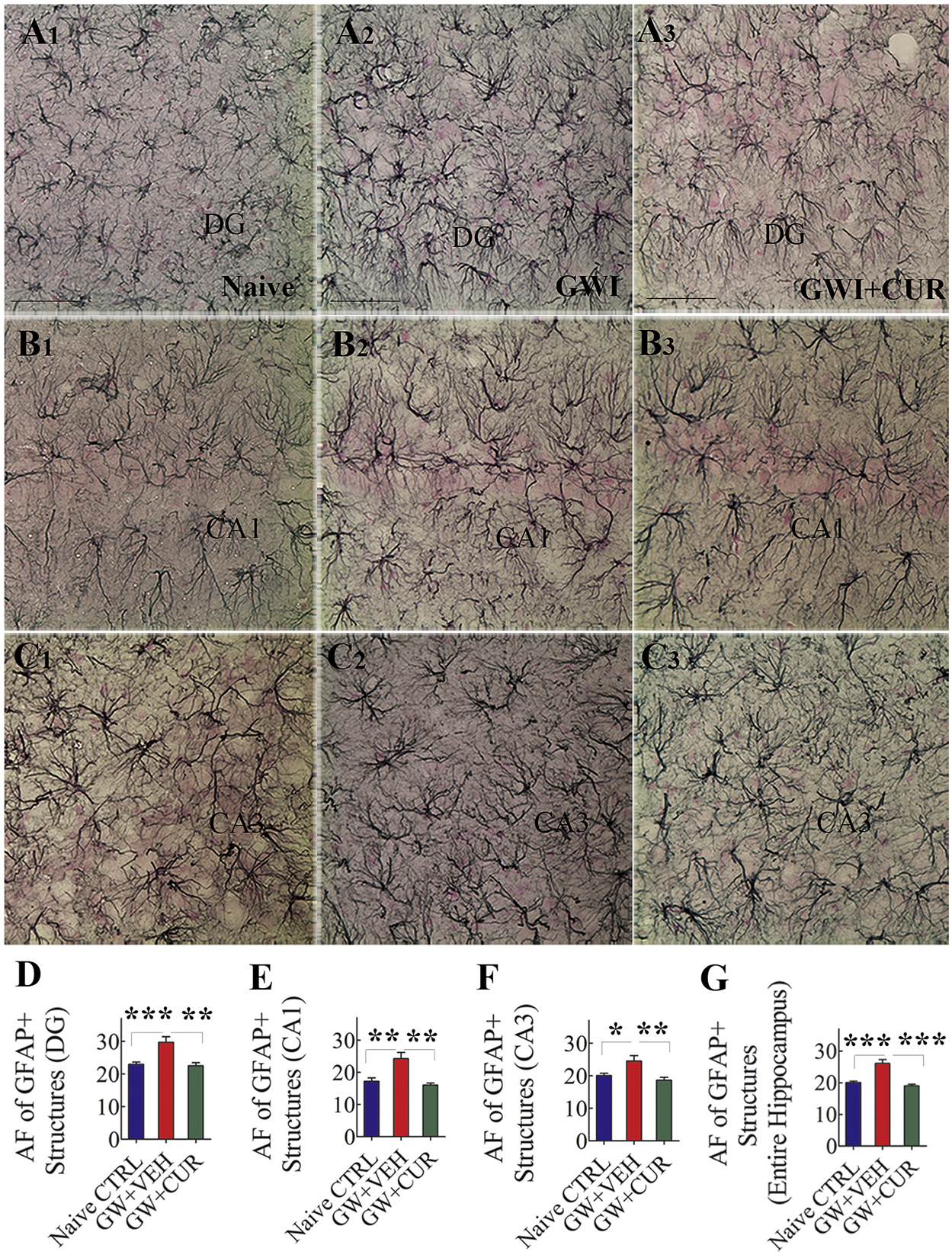
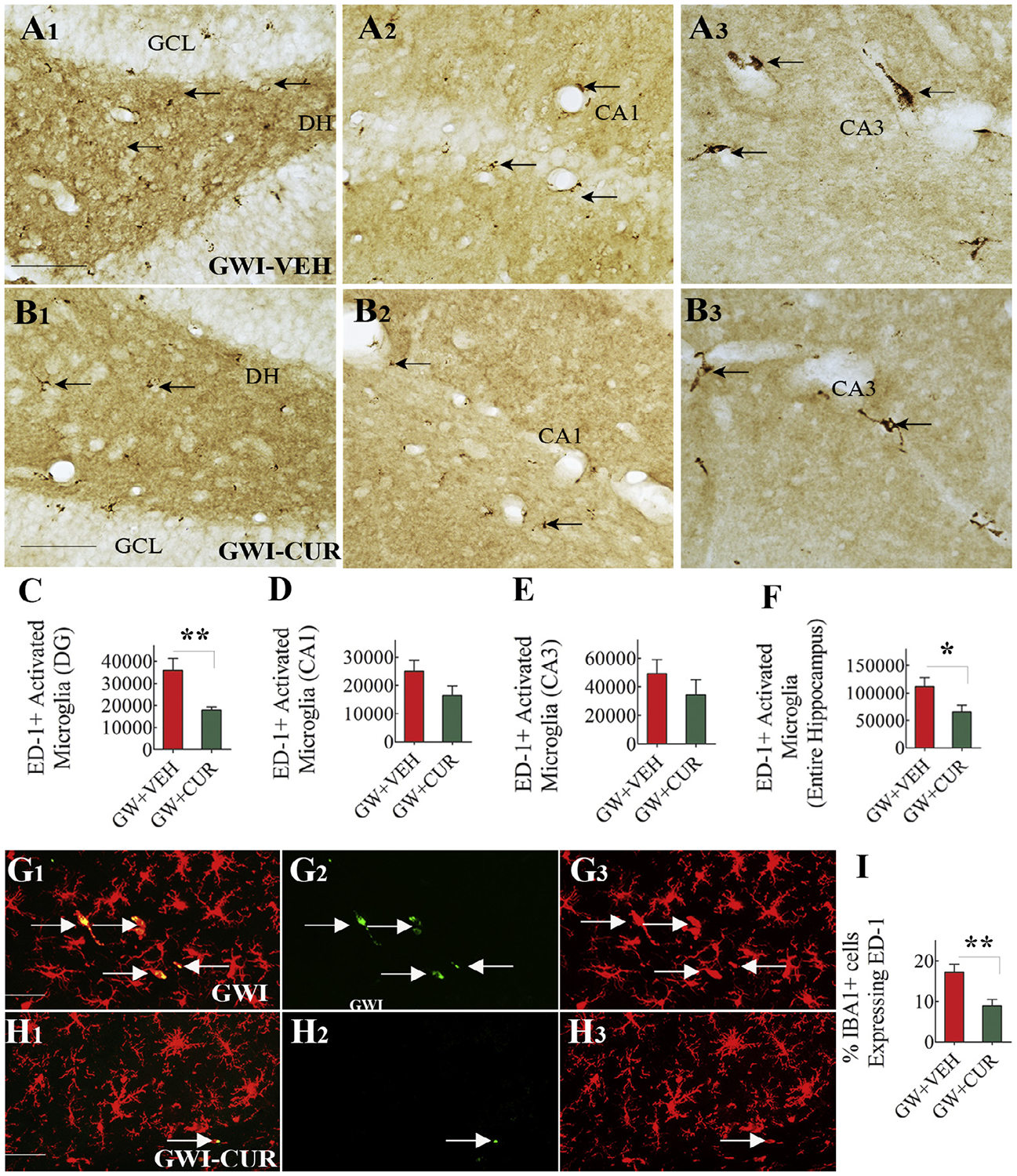
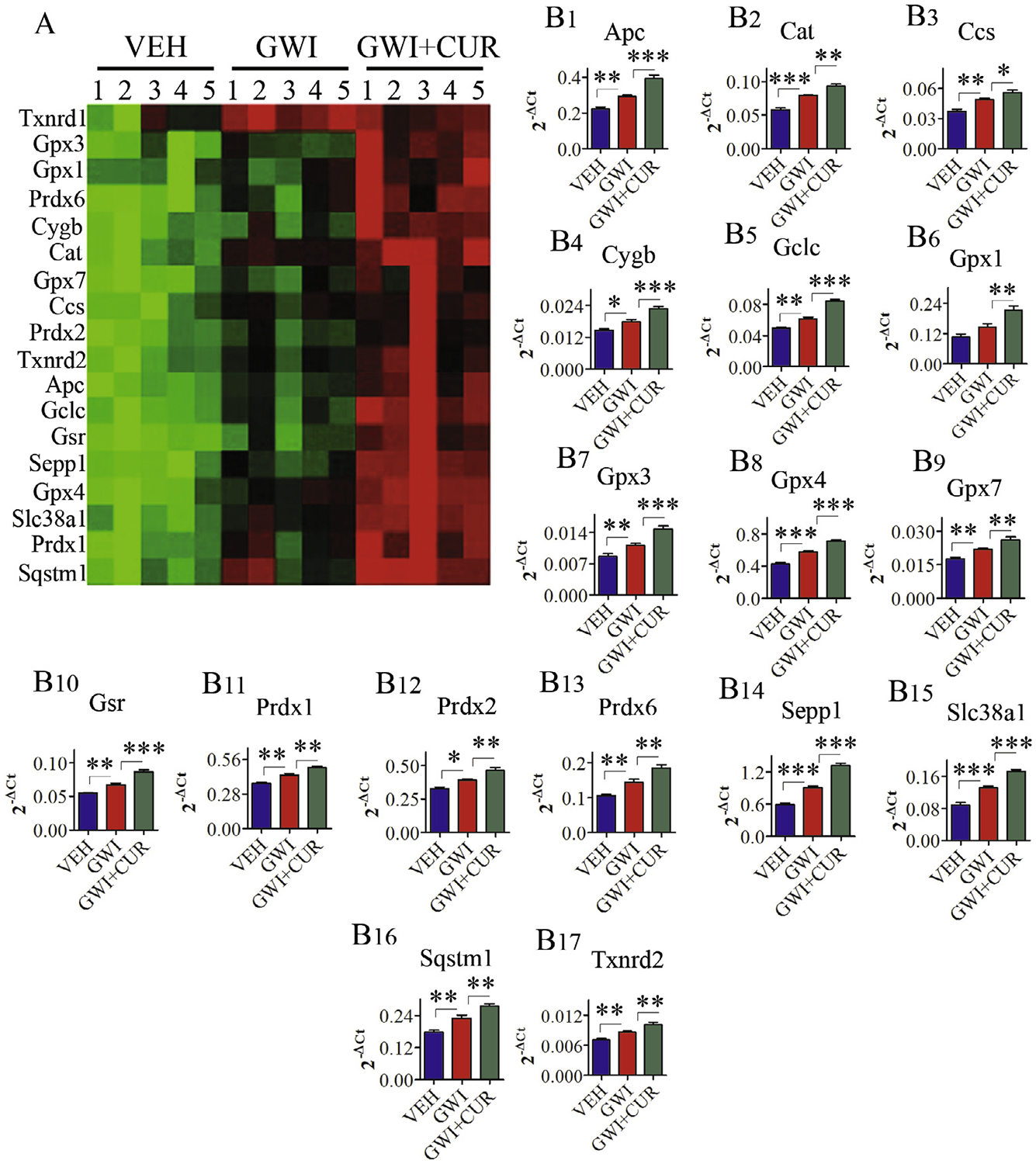
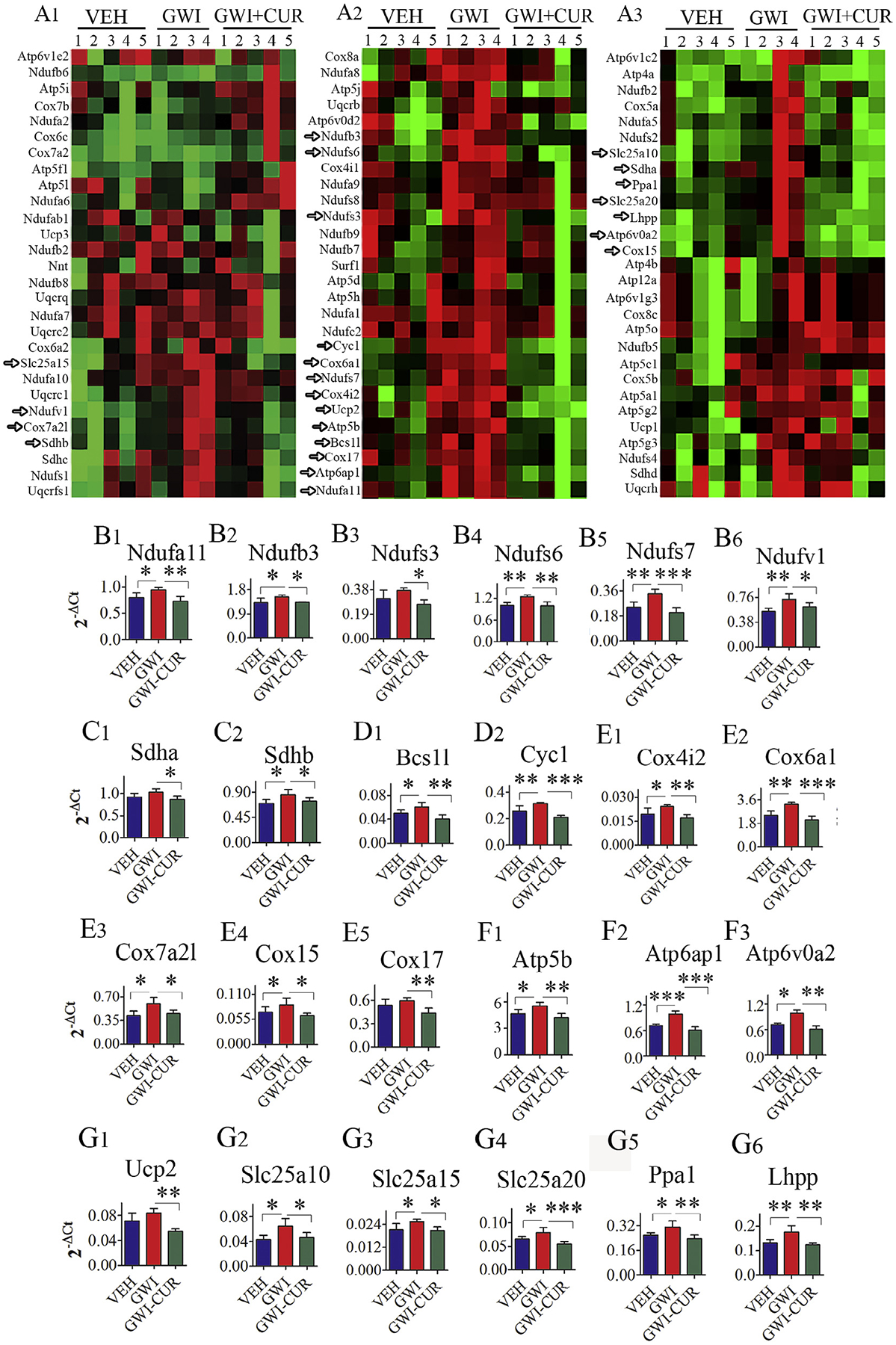
Diminished cognitive and mood function are among the most conspicuous symptoms of Gulf War Illness (GWI). Our previous studies in a rat model of GWI have demonstrated that persistent cognitive and mood impairments are associated with substantially declined neurogenesis, chronic low-grade inflammation, increased oxidative stress and mitochondrial dysfunction in the hippocampus. We tested the efficacy of curcumin (CUR) to maintain better cognitive and mood function in a rat model of GWI because of its neurogenic, antiinflammatory, antioxidant, and memory and mood enhancing properties. Male rats were exposed daily to low doses of GWI-related chemicals, pyridostigmine bromide, N,N-diethyl-m-toluamide (DEET) and permethrin, and 5-minutes of restraint stress for 28 days. Animals were next randomly assigned to two groups, which received daily CUR or vehicle treatment for 30 days. Animals also received 5'-bromodeoxyuridine during the last seven days of treatment for analysis of neurogenesis. Behavioral studies through object location, novel object recognition and novelty suppressed feeding tests performed sixty days after treatment revealed better cognitive and mood function in CUR treated GWI rats. These rats also displayed enhanced neurogenesis and diminished inflammation typified by reduced astrocyte hypertrophy and activated microglia in the hippocampus. Additional studies showed that CUR treatment to GWI rats enhanced the expression of antioxidant genes and normalized the expression of multiple genes related to mitochondrial respiration. Thus, CUR therapy is efficacious for maintaining better memory and mood function in a model of GWI. Enhanced neurogenesis, restrained inflammation and oxidative stress with normalized mitochondrial respiration may underlie better memory and mood function mediated by CUR treatment.
Keywords: Curcumin; Gulf War Illness; Hippocampal neurogenesis; Memory impairment; Mitochondria; Mood dysfunction; Neuroinflammation; Oxidative stress; Reactive oxygen species.
Published by Elsevier Inc.
Figures
Comment in
-
The potential of treating Gulf War Illness with curcumin.Brain Behav Immun. 2018 May;70:3-4. doi: 10.1016/j.bbi.2018.03.017. Epub 2018 Mar 13. Brain Behav Immun. 2018. PMID: 29548999
References
-
- Abou-Donia MB, Conboy LA, Kokkotou E, El-Masry EM, Jacobson E, Sullivan K, 2017. Screening for novel central nervous system biomarkers in Veterans with Gulf War Illness. Neurotoxicol Teratol. 61, 36–46. - PubMed
-
- Abdel-Rahman A, Shetty AK, Abou-Donia MB, 2002. Disruption of the bloodbrain barrier and neuronal cell death in cingulate cortex, dentate gyrus, thalamus, and hypothalamus in a rat model of Gulf-War syndrome. Neurobiol. Dis 10, 306–326. - PubMed
-
- Abdullah L, Crynen G, Reed J, Bishop A, Phillips J, Ferguson S, Mouzon B, Mullan M, Mathura V, Mullan M, Ait-Ghezala G, Crawford F, 2011. Proteomic CNS profile of delayed cognitive impairment in mice exposed to Gulf War agents. Neuromolecular Med. 13, 275–288. - PubMed
-
- Bassani TB, Turnes JM, Moura ELR, Bonato JM, Coppola-Segovia V, Zanata SM, Oliveira RMMW, Vital MABF, 2017. Effects of curcumin on short-term spatial and recognition memory, adult neurogenesis and neuroinflammation in a streptozotocin-induced rat model of dementia of Alzheimer’s type. Behav. Brain Res 335, 41–54. - PubMed
Publication types
MeSH terms
Substances
Grants and funding
LinkOut - more resources
Full Text Sources
Other Literature Sources
