


Review of management in cardiotoxic overdose and efficacy of delayed intralipid use
- PMID: 29456602
- PMCID: PMC5810865
- DOI: 10.1177/1751143717705802
Review of management in cardiotoxic overdose and efficacy of delayed intralipid use
Abstract
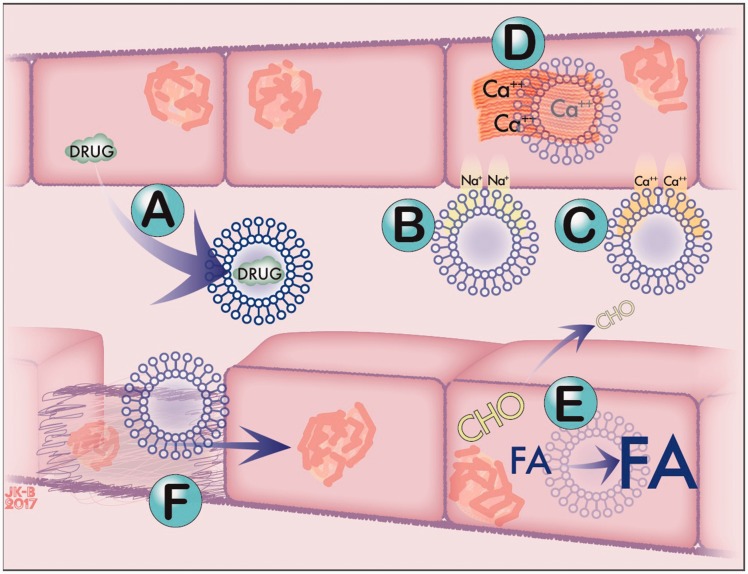
We present the case of a 51-year-old woman admitted to our intensive care unit following an intentional overdose of a calcium channel antagonist and a beta blocker. The resultant hypotension was reversed with glucagon, noradrenaline, calcium and high-dose insulin. Despite these interventions, she remained vasoplegic and received a delayed, standard dose of intralipid. Subsequently, the vasoplegia resolved rapidly, and the vasopressor was stopped. Here, we review the management of overdose of calcium channel and beta-adrenergic receptor blockers, concentrating on the pharmacology of lipid emulsion therapy. There remain some unanswered questions about lipid emulsion therapy: treatment with lipid therapy is usually advocated as soon as possible; this case report suggests that it remains efficacious even if its administration were delayed.
Keywords: Calcium channel blocker; beta-adrenergic blocker; insulin; lipid emulsion; toxicity.
Figures
References
-
- DeWitt CR, Waksman JC. Pharmacology, pathophysiology and management of calcium channel blocker and β-blocker toxicity. Toxicol Rev 2004; 23: 223–238. - PubMed
-
- Mowry JB, Spyker DA, Cantilena LR, et al. 2012 Annual Report of the American Association of Poison Control Centers’ National Poison Data System (NPDS): 30th Annual Report. Clin Toxicol 2013; 51: 949–1229. - PubMed
-
- Watson WA, Litovitz TL, Klein-Schwartz W, et al. 2003 annual report of the American Association of Poison Control Centers Toxic Exposure Surveillance System. Am J Emerg Med 2004; 22: 335–404. - PubMed
-
- Calcium and beta receptor antagonist overdose: a review and update of pharmacological principles and management. Available at: http://www.medscape.com/viewarticle/430202 (accessed 25 June 2016).
-
- Kerns W. Management of beta-adrenergic blocker and calcium channel antagonist toxicity. Emerg Med Clin N Am 2007; 25: 309–331. - PubMed
Publication types
LinkOut - more resources
Full Text Sources
Other Literature Sources