Species-specific susceptibility to cannabis-induced convulsions
- PMID: 29457829
- PMCID: PMC6487554
- DOI: 10.1111/bph.14165
Species-specific susceptibility to cannabis-induced convulsions
Abstract
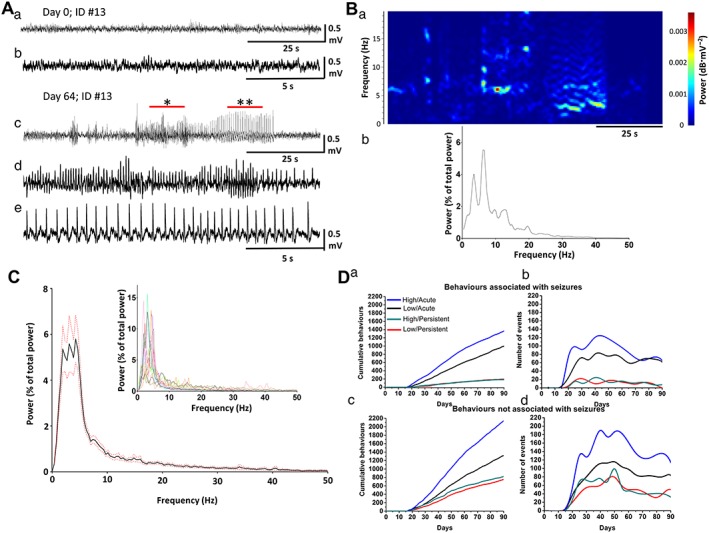
Background and purpose: Numerous claims are made for cannabis' therapeutic utility upon human seizures, but concerns persist about risks. A potential confounder is the presence of both Δ9 -tetrahydrocannabinol (THC), variously reported to be pro- and anticonvulsant, and cannabidiol (CBD), widely confirmed as anticonvulsant. Therefore, we investigated effects of prolonged exposure to different THC/CBD cannabis extracts on seizure activity and associated measures of endocannabinoid (eCB) system signalling.
Experimental approach: Cannabis extract effects on in vivo neurological and behavioural responses, and on bioanalyte levels, were measured in rats and dogs. Extract effects on seizure activity were measured using electroencephalography telemetry in rats. eCB signalling was also investigated using radioligand binding in cannabis extract-treated rats and treatment-naïve rat, mouse, chicken, dog and human tissue.
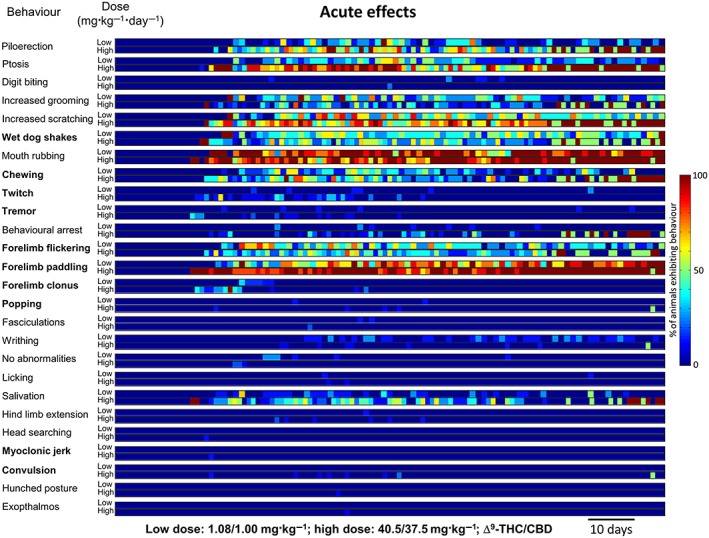
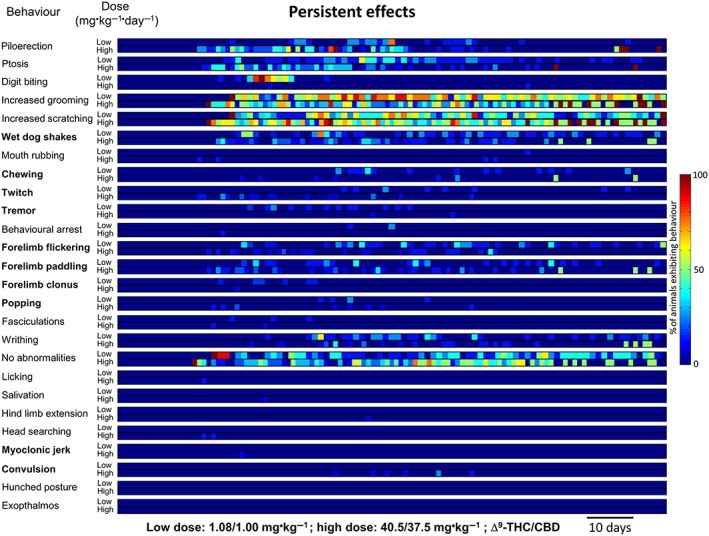
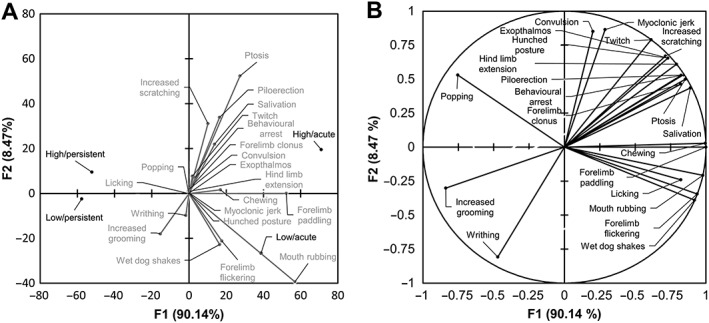
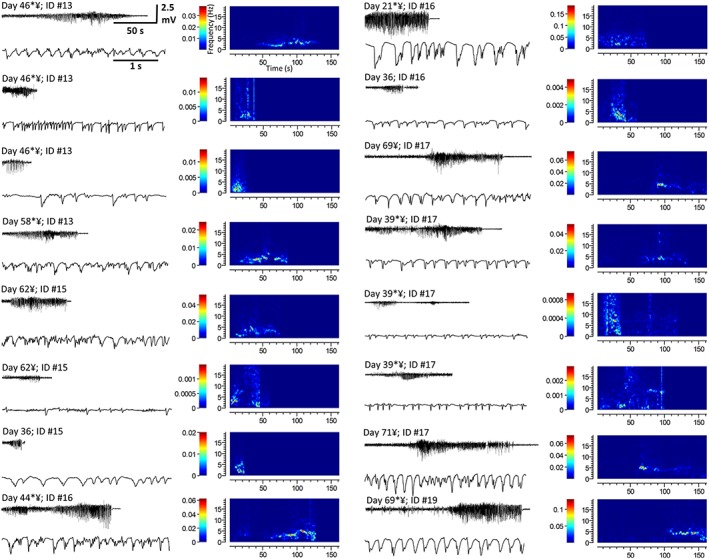
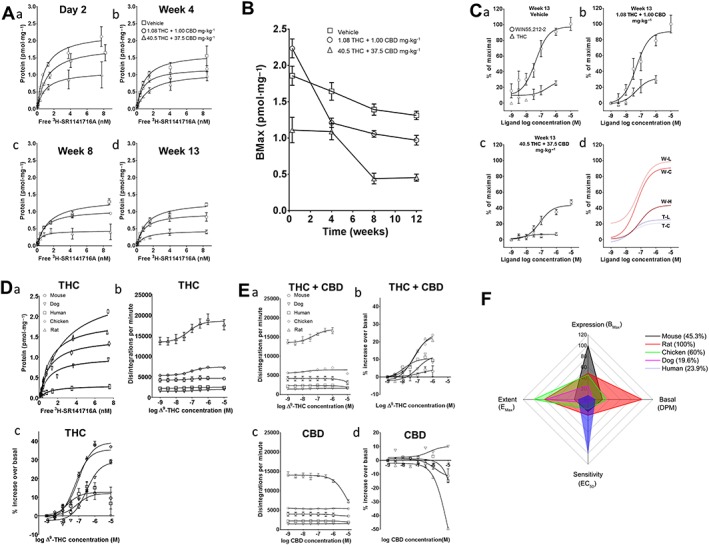
Key results: Prolonged exposure to cannabis extracts caused spontaneous, generalized seizures, subserved by epileptiform discharges in rats, but not dogs, and produced higher THC, but lower 11-hydroxy-THC (11-OH-THC) and CBD, plasma concentrations in rats versus dogs. In the same rats, prolonged exposure to cannabis also impaired cannabinoid type 1 receptor (CB1 receptor)-mediated signalling. Profiling CB1 receptor expression, basal activity, extent of activation and sensitivity to THC suggested interspecies differences in eCB signalling, being more pronounced in a species that exhibited cannabis extract-induced seizures (rat) than one that did not (dog).
Conclusions and implications: Sustained cannabis extract treatment caused differential seizure, behavioural and bioanalyte levels between rats and dogs. Supporting radioligand binding data suggest species differences in eCB signalling. Interspecies variations may have important implications for predicting cannabis-induced convulsions from animal models.
Linked articles: This article is part of a themed section on 8th European Workshop on Cannabinoid Research. To view the other articles in this section visit http://onlinelibrary.wiley.com/doi/10.1111/bph.v176.10/issuetoc.
© 2018 The Authors. British Journal of Pharmacology published by John Wiley & Sons Ltd on behalf of British Pharmacological Society.
Conflict of interest statement
T.H. is formerly an employee of GW Pharmaceuticals Ltd. B.J.W., A.P., R.A.G., C.E.R. and M.B. were employees of GW Pharmaceuticals Ltd at the time of article submission. O.D. has commercial interests in several companies involved in the production of medicinal cannabis products, including consultant work for GW Pharmaceuticals Ltd and equity interests in other companies involved in the production of cannabis‐related products to treat epilepsy, including Privateer Holdings, Tilray, Receptor Life Sciences and Egg Rock.
Figures
References
-
- Bertram E (2007). The relevance of kindling for human epilepsy. Epilepsia 48: 65–74. - PubMed
-
- Black JW, Leff P (1983). Operational models of pharmacological agonism. Proc R Soc Lond B Biol Sci 220: 141–162. - PubMed
-
- Chan PC, Sills RC, Braun AG, Haseman JK, Bucher JR (1996). Toxicity and carcinogenicity of Δ9‐tetrahydrocannabinol in Fischer rats and B6C3F1 mice. Fundam Appl Toxicol 30: 109–117. - PubMed
Publication types
MeSH terms
Substances
LinkOut - more resources
Full Text Sources
Other Literature Sources
Medical