


Meta-analysis of the clinical behavior of posterior direct resin restorations: Low polymerization shrinkage resin in comparison to methacrylate composite resin
- PMID: 29466366
- PMCID: PMC5842874
- DOI: 10.1371/journal.pone.0191942
Meta-analysis of the clinical behavior of posterior direct resin restorations: Low polymerization shrinkage resin in comparison to methacrylate composite resin
Abstract
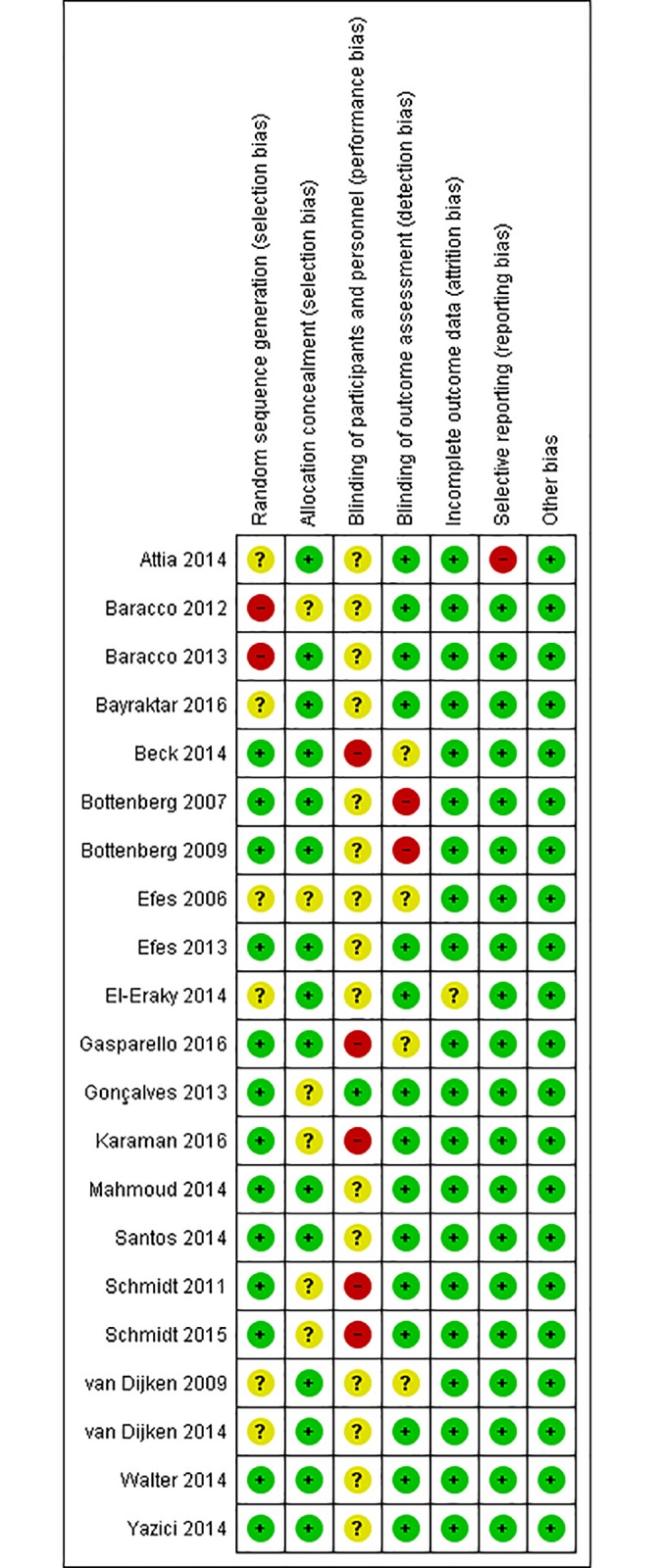
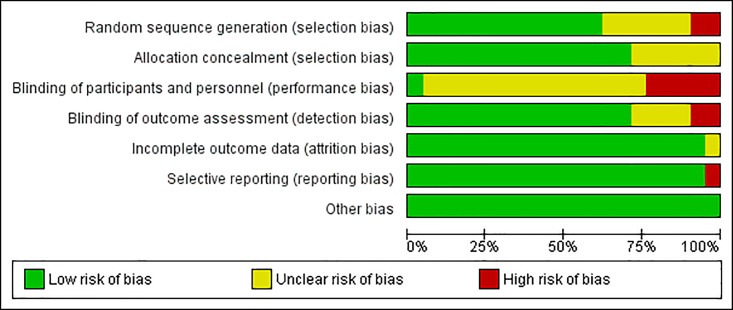
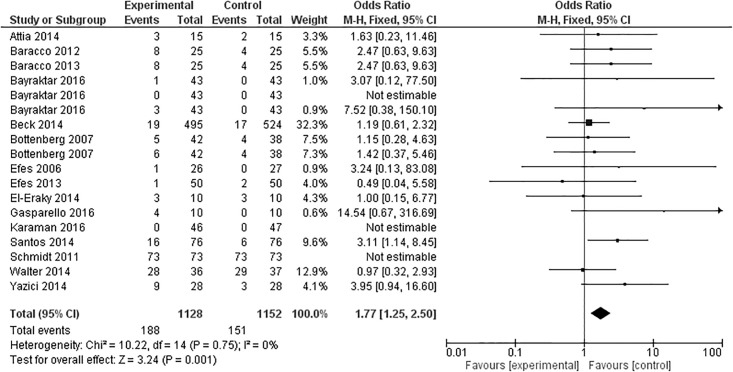
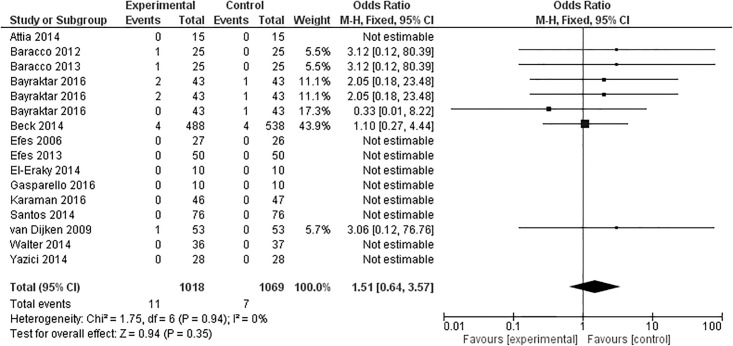
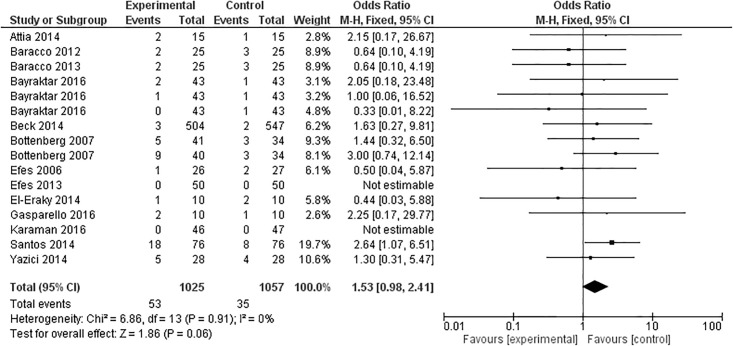
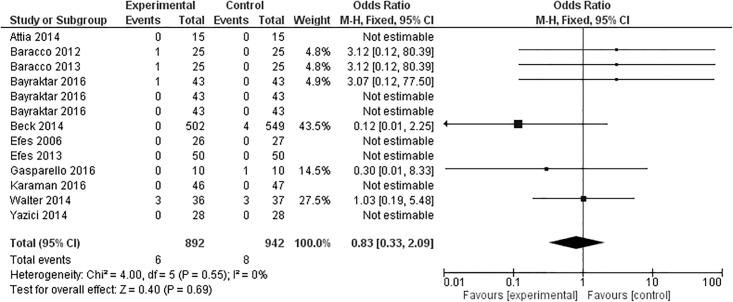
Polymerization shrinkage of resin composite can compromise the longevity of restorations. To minimize this problem, the monomeric composition of composites have been modified. The objective of this study was to conduct a meta-analysis to assess the clinical behavior of restorations performed with low polymerization shrinkage resin composite in comparison with traditional methacrylates-based resin composite. This systematic review was registered at Prospero data system (CRD42015023940). Studies were searched in the electronic databases PubMed, Web of Science, Scopus, Lilacs and EMBASE according to a predefined search strategy. The inclusion criteria were as follow: (1) randomized controlled clinical trials with at least six months of follow-up; (2) studies investigating composites with monomers designed to reduce polymerization shrinkage; (3) studies conducted with class I or II restorations in the permanent dentition; and (4) studies that assessed at least one of the following criteria: marginal integrity/adaptation, marginal discoloration, recurent caries, retention of composite restorations, and postoperative sensitivity. Two independent reviewers analyzed the articles to determine inclusion and risk of bias. The search conducted in the databases resulted in a total of 14,217 studies. After reviewing the references and citations, 21 articles remained. The longest clinical follow-up time was 60 months. The meta-analysis of the data in the included studies demonstrated that only one variable (marginal adaptation after 12 months) showed statistically significant outcomes, in which methacrylates-based composites presented significantly better results than resin composites containing modified monomers. The good level of the scientific evidence as well as the overall low risk of bias of the included studies indicate that composites with silorane, ormocer or bulk-fill type modified monomers have a clinical performance similar to conventional resin composites.
Conflict of interest statement
Figures



References
-
- Ástvaldsdóttir A, Dagerhamn J, van Dijken JWV, Naimi-Akbar A, Sandborgh-Englund G, Tranæus S, et al. Longevity of posterior resin composite restorations in adults—A systematic review. J Dent 2015; 43:934–954. doi: 10.1016/j.jdent.2015.05.001 - DOI - PubMed
-
- Brunthaler A, König F, Lucas T, Sperr W, Schedle A. Longevity of direct resin composite restorations in posterior teeth. Clin Oral Invest 2003; 7:63–70. - PubMed
-
- Demarco FF, Corrêa MB, Cenci MS, Moraes RR, Opdam NJM. Longevity of posterior composite restorations: Not only a matter of materials. Dent Mater 2012; 28:87–101. doi: 10.1016/j.dental.2011.09.003 - DOI - PubMed
-
- Rodolpho PAR, Cenci MS, Donassollo TA, Loguércio AD, Demarco FF. A clinical evaluation of posterior composite restorations: 17-year findings. J Dent 2006; 34:427–435. doi: 10.1016/j.jdent.2005.09.006 - DOI - PubMed
-
- Opdam NJM, van de Sande FH, Bronkhorst E, Cenci MS, Bottenberg P, Pallesen U et al. Longevity of posterior composite restorations: A systematic review and meta-analysis. J Dent Res 2014; 93(10):943–949. doi: 10.1177/0022034514544217 - DOI - PMC - PubMed
Publication types
MeSH terms
Substances
LinkOut - more resources
Full Text Sources
Other Literature Sources
