


The Effects of Martial Arts Training on Attentional Networks in Typical Adults
- PMID: 29472878
- PMCID: PMC5809487
- DOI: 10.3389/fpsyg.2018.00080
The Effects of Martial Arts Training on Attentional Networks in Typical Adults
Abstract
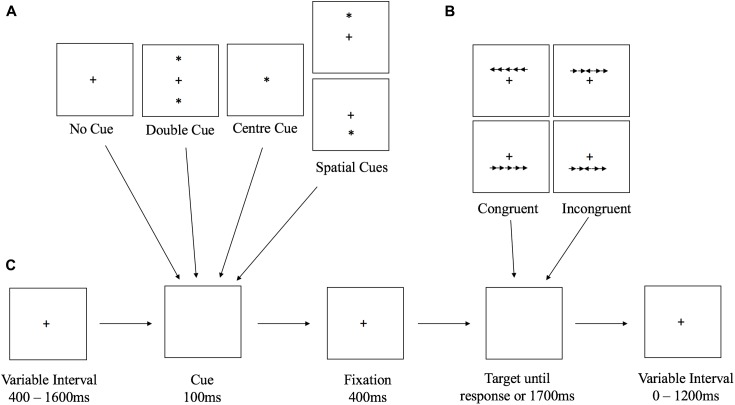
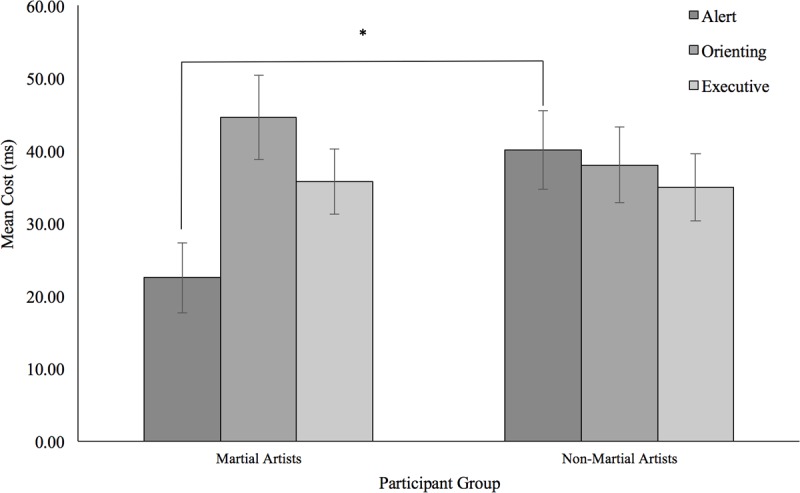
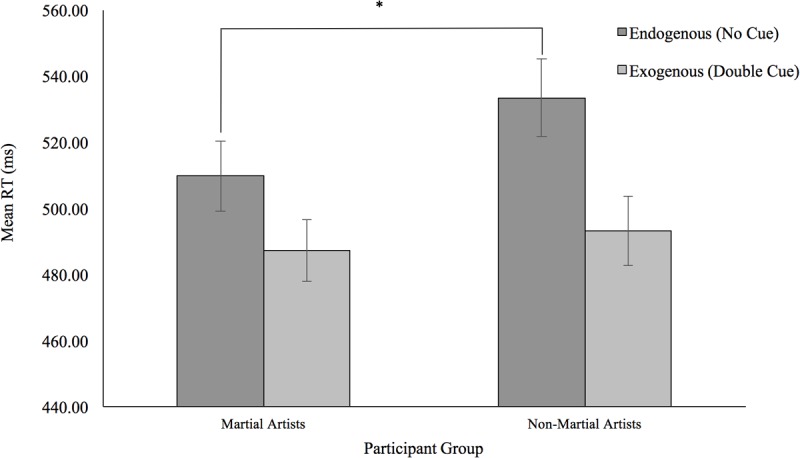
There is substantial evidence that training in Martial Arts is associated with improvements in cognitive function in children; but little has been studied in healthy adults. Here, we studied the impact of extensive training in Martial Arts on cognitive control in adults. To do so, we used the Attention Network Test (ANT) to test two different groups of participants: with at least 2 years of Martial Arts experience, and with no experience with the sport. Participants were screened from a wider sample of over 500 participants who volunteered to participate. 48 participants were selected: 21 in the Martial Arts group (mean age = 19.68) and 27 in the Non-Martial Arts group (mean age = 19.63). The two groups were matched on a number of demographic variables that included Age and BMI, following the results of a previous pilot study where these factors were found to significantly impact the ANT measures. An effect of Martial Arts experience was found on the Alert network, but not the Orienting or Executive ones. More specifically, Martial Artists showed improved performance when alert had to be sustained endogenously, performing more like the control group when an exogenous cue was provided. This result was further confirmed by a negative correlation between number of years of Martial Arts experience and the costs due to the lack of an exogenous cue suggesting that the longer a person takes part in the sport, the better their endogenous alert is. Results are interpreted in the context of the impact of training a particular attentional state in specific neurocognitive pathways.
Keywords: Martial Arts; alerting; attention; attention training; cognitive control; cross-sectional; typical adults.
Figures
References
LinkOut - more resources
Full Text Sources
Other Literature Sources
