Glucocorticoids in the Treatment of Glomerular Diseases: Pitfalls and Pearls
- PMID: 29475991
- PMCID: PMC5969489
- DOI: 10.2215/CJN.12991117
Glucocorticoids in the Treatment of Glomerular Diseases: Pitfalls and Pearls
Abstract
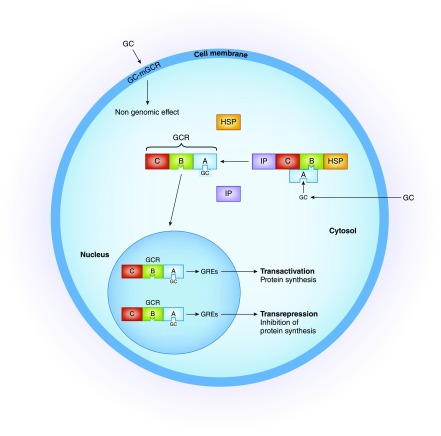
Glucocorticoids exert anti-inflammatory and immunosuppressive activities by genomic and nongenomic effects. The classic genomic effects are mediated by cytosolic glucocorticoid receptors that can upregulate the expression of anti-inflammatory proteins in the nucleus (transactivation) or repress the translocation of proinflammatory transcription factors from the cytosol into the nucleus (transrepression). The nongenomic effects are probably mediated by membrane glucocorticoid receptors. Glucocorticoid receptors are expressed also in podocytes and experimental data suggest that glucocorticoids may protect from podocyte injury. Glucocorticoids have a low therapeutic index and may exert a number of time-dependent and dose-dependent side effects. Measures to prevent or attenuate side effects include single-morning administration of short-acting glucocorticoids, dietetic counseling, increasing physical activity, frequent monitoring, and adapting the doses to the clinical conditions of the patient. Synthetic glucocorticoids, either given alone or in combination with other immunosuppressive drugs, are still the cornerstone therapy in multiple glomerular disorders. However, glucocorticoids are of little benefit in C3 glomerulopathy and may be potentially deleterious in patients with maladaptive focal glomerulosclerosis. Their efficacy depends not only on the type and severity of glomerular disease, but also on the timeliness of administration, the dosage, and the duration of treatment. Whereas an excessive use of glucocorticoids can be responsible for severe toxicity, too low a dosage and too short duration of glucocorticoid treatment can result in false steroid resistance.
Keywords: Anti-Inflammatory Agents; Counseling; Cytosol; Dietetics; Exercise; Genomics; Glomerulosclerosis, Focal Segmental; Glucocorticoids; Humans; Immunosuppressive Agents; Kidney Glomerulus; Podocytes; Receptors, Glucocorticoid; Steroids; Therapeutic Index; Transcriptional Activation; cortisol; immunosuppression; primary glomerulonephritis; transcription factors.
Copyright © 2018 by the American Society of Nephrology.
Figures
References
-
- Schäcke H, Schottelius A, Döcke WD, Strehlke P, Jaroch S, Schmees N, Rehwinkel H, Hennekes H, Asadullah K: Dissociation of transactivation from transrepression by a selective glucocorticoid receptor agonist leads to separation of therapeutic effects from side effects. Proc Natl Acad Sci U S A 101: 227–232, 2004 - PMC - PubMed
-
- Teeninga N, Kist-van Holthe JE, van den Akker EL, Kersten MC, Boersma E, Krabbe HG, Knoers NV, van der Heijden AJ, Koper JW, Nauta J: Genetic and in vivo determinants of glucocorticoid sensitivity in relation to clinical outcome of childhood nephrotic syndrome. Kidney Int 85: 1444–1453, 2014 - PubMed
Publication types
MeSH terms
Substances
Supplementary concepts
LinkOut - more resources
Full Text Sources
Other Literature Sources
Medical
Miscellaneous