


The Curtius rearrangement: mechanistic insight and recent applications in natural product syntheses
- PMID: 29479624
- PMCID: PMC5864567
- DOI: 10.1039/c8ob00138c
The Curtius rearrangement: mechanistic insight and recent applications in natural product syntheses
Abstract
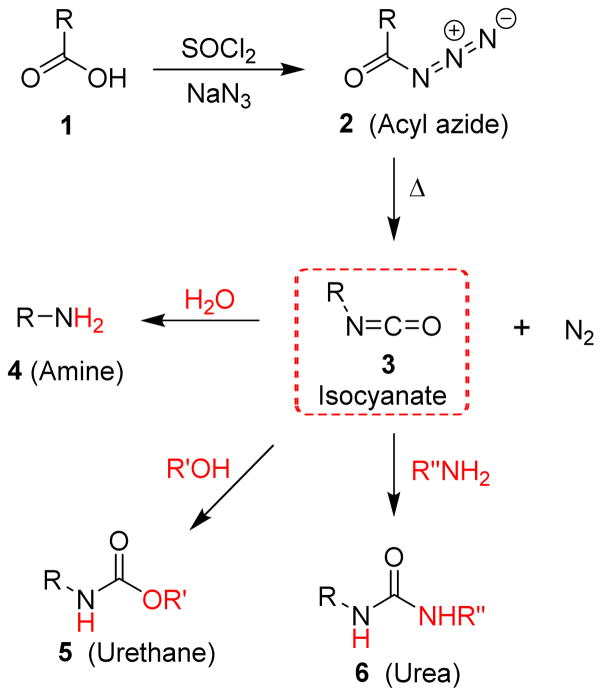
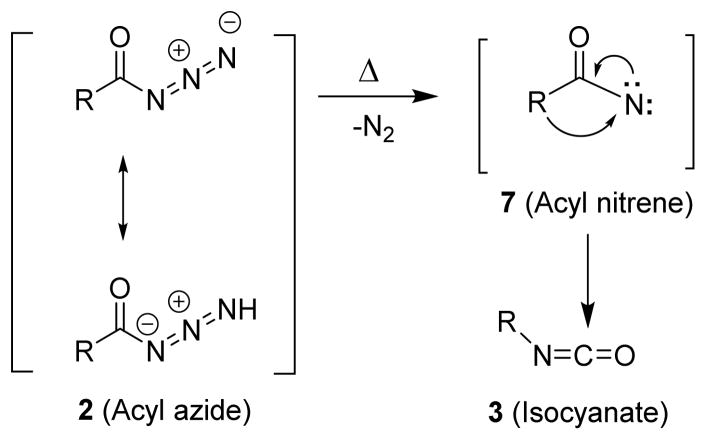
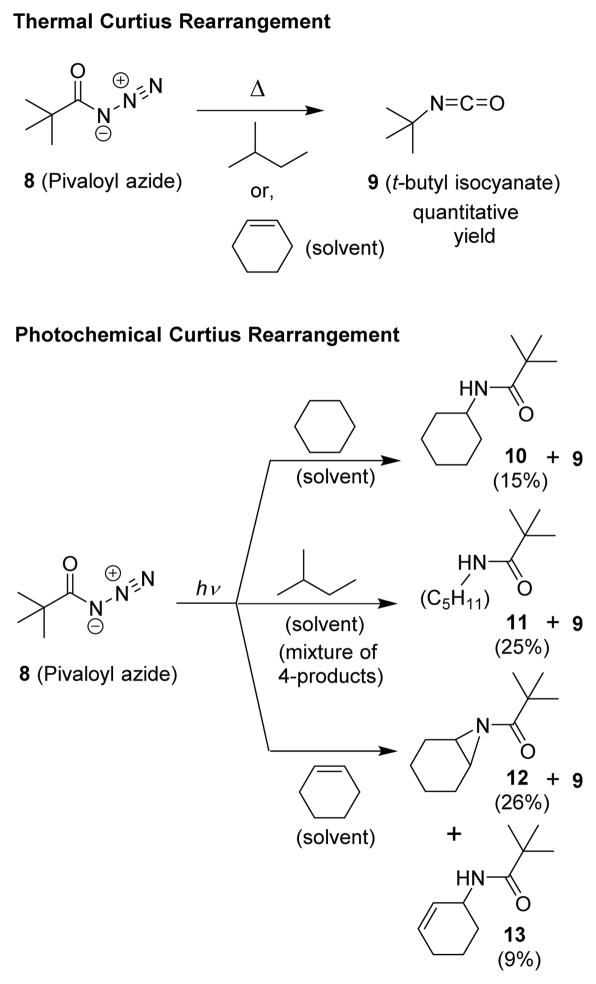
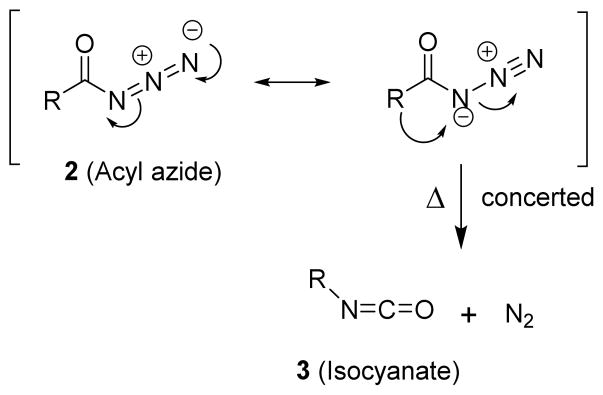
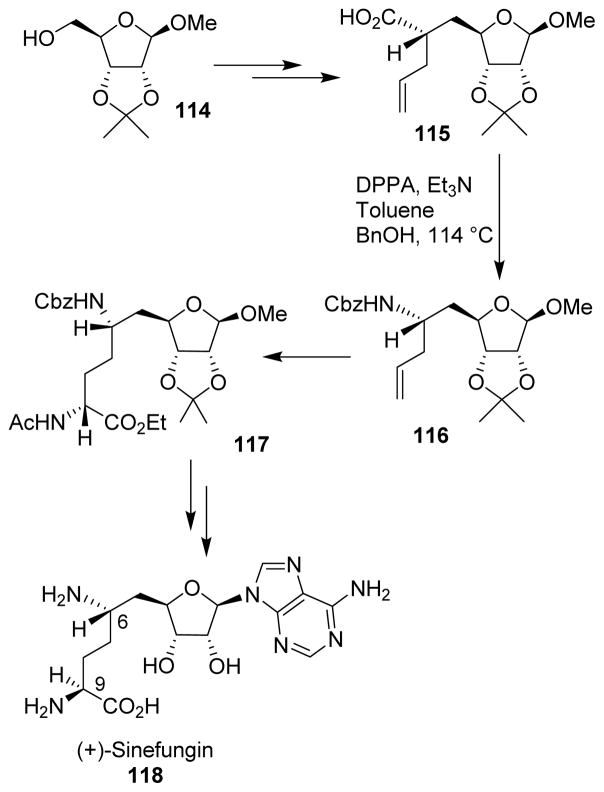
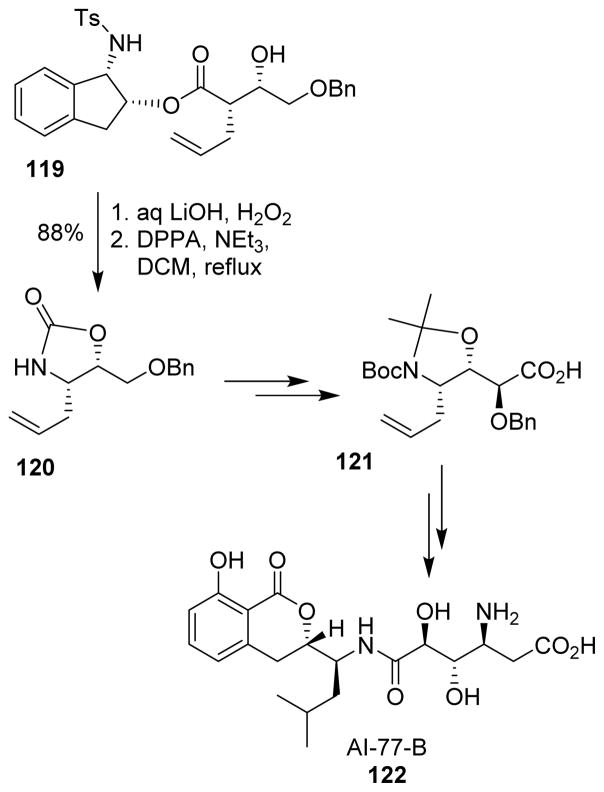
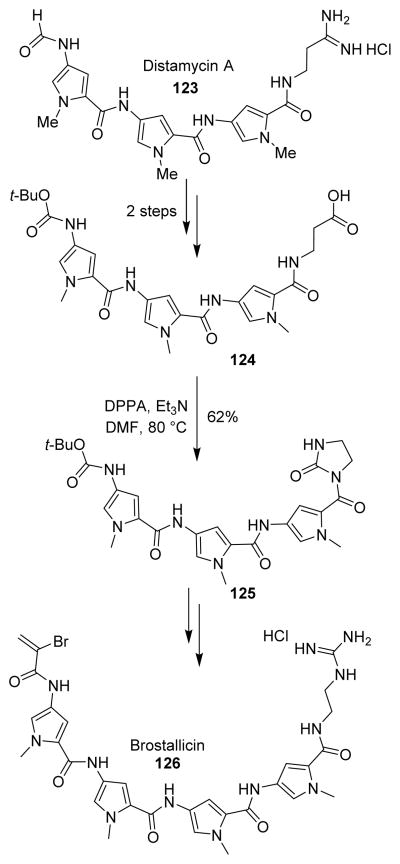
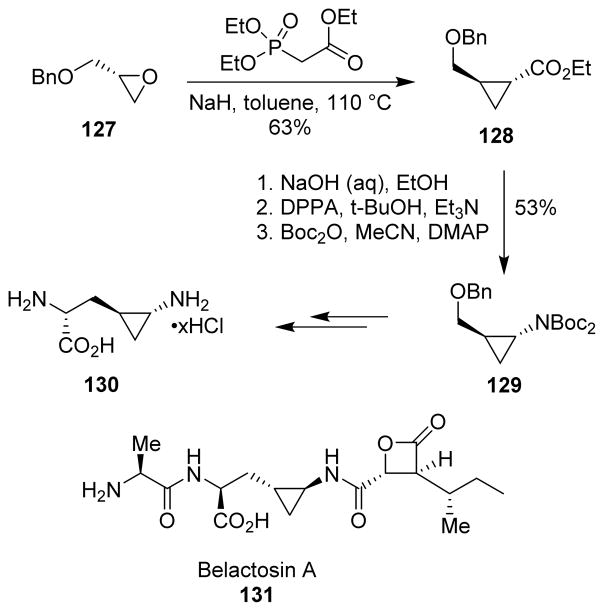
The Curtius rearrangement is a versatile reaction in which a carboxylic acid can be converted to an isocyanate through an acyl azide intermediate under mild conditions. The resulting stable isocyanate can then be readily transformed into a variety of amines and amine derivatives including urethanes and ureas. There have been wide-ranging applications of the Curtius rearrangement in the synthesis of natural products and their derivatives. Also, this reaction has been extensively utilized in the synthesis and application of a variety of biomolecules. In this review, we present mechanistic studies, chemical methodologies and reagents for the synthesis of isocyanates from carboxylic acids, the conversion of isocyanates to amines and amine derivatives, and their applications in the synthesis of bioactive natural products and their congeners.
Conflict of interest statement
Authors declare no competing interests
Figures
References
-
- Curtius T. Ber Dtsch Chem Ges. 1890;23:3023–3033.
-
- Curtius T. J Prakt Chem. 1894;50:275–294.
-
- Stollé RMNJ. Prakt Chem. 1928;119:275–278.
-
- Wilds AL, Woolsey NF, Berghe JVD, Winestock CH. Tetrahedron Lett. 1965:4841–4846.
-
- Saikachi H, Kitagawa T. Chem Pharm Bull (Tokyo) 1978;26:1054–1060.
Publication types
MeSH terms
Substances
Grants and funding
LinkOut - more resources
Full Text Sources
Other Literature Sources
