


Alcohol-Mediated Organ Damages: Heart and Brain
- PMID: 29487525
- PMCID: PMC5816804
- DOI: 10.3389/fphar.2018.00081
Alcohol-Mediated Organ Damages: Heart and Brain
Abstract
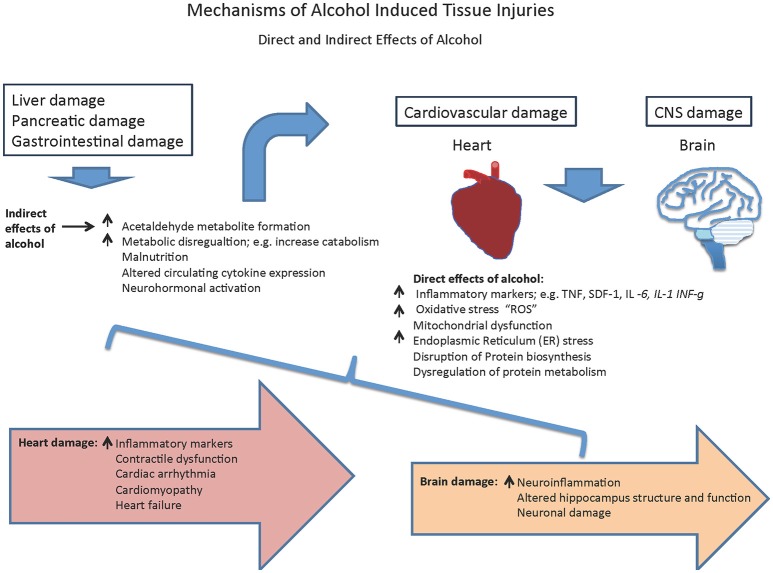
Alcohol is one of the most commonly abused substances in the United States. Chronic consumption of ethanol has been responsible for numerous chronic diseases and conditions globally. The underlying mechanism of liver injury has been studied in depth, however, far fewer studies have examined other organs especially the heart and the central nervous system (CNS). The authors conducted a narrative review on the relationship of alcohol with heart disease and dementia. With that in mind, a complex relationship between inflammation and cardiovascular disease and dementia has been long proposed but inflammatory biomarkers have gained more attention lately. In this review we examine some of the consequences of the altered cytokine regulation that occurs in alcoholics in organs other than the liver. The article reviews the potential role of inflammatory markers such as TNF-α in predicting dementia and/or cardiovascular disease. It was found that TNF-α could promote and accelerate local inflammation and damage through autocrine/paracrine mechanisms. Unraveling the mechanisms linking chronic alcohol consumption with proinflammatory cytokine production and subsequent inflammatory signaling pathways activation in the heart and CNS, is essential to improve our understanding of the disease and hopefully facilitate the development of new remedies.
Keywords: SDF-1; TNF-α; alcohol abuse; cardiovascular disease; cytokines.
Figures
References
Publication types
Grants and funding
LinkOut - more resources
Full Text Sources
Other Literature Sources
