


Ultrasound-based Techniques as Alternative Treatments for Chronic Wounds: A Comprehensive Review of Clinical Applications
- PMID: 29487767
- PMCID: PMC5814295
- DOI: 10.7759/cureus.1952
Ultrasound-based Techniques as Alternative Treatments for Chronic Wounds: A Comprehensive Review of Clinical Applications
Abstract
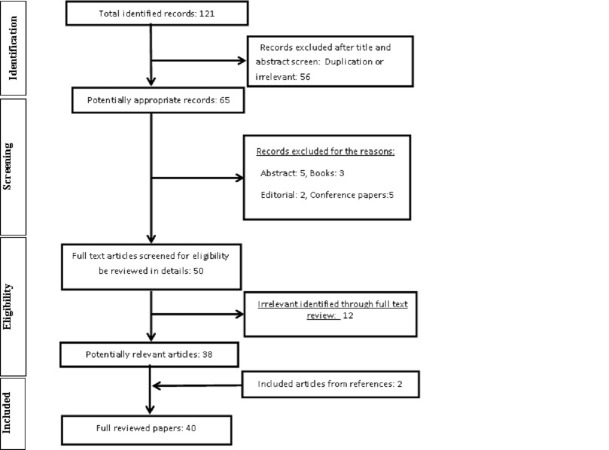
Ultrasound (US) waves have been recently developed for the treatment of different chronic wounds with promising therapeutic outcomes. However, the clinical efficacy of these techniques is still not fully understood and standard guidelines on dose ranges and possible side effects should be determined. This paper aims to comprehensively review the recent advances in US techniques for chronic wound treatment, their therapeutic efficacies, and clinical considerations and challenges. The databases of PubMed (1985-2017), EMBASE (1985-2017), Web of Sciences (1985-2017), Cochrane central library (1990-2017), and Google Scholar (1980-2017) were searched using the set terms. The obtained results were screened for the title and abstract by two authors and the relevant papers were reviewed for further details. Preclinical and clinical studies have shown strong evidence on the therapeutic efficiency of US in chronic wounds. The main limitation on developing clinical standard protocols of US for treatment of wounds is the lack of definite dose-response for each wound. However, spatial average temporal average is the main parameter for defining US dosage in wound treatment. The range of 0.5 to 3 W/cm2 is a range of dose exerting significant therapeutic outcomes and minimum adverse effects. Low-frequency US waves can accelerate the healing speed of open wounds as well as deep-tissue injuries. In addition, US waves show promising therapeutic efficacy for chronic wounds. To develop clinical US protocol for each wound type, further in vitro and in vivo preclinical and clinical trials are needed to reach an exact dose-response for each wound type.
Keywords: chronic wound; clinical considerations; dose; therapeutic efficacy; ultrasound.
Conflict of interest statement
The authors have declared that no competing interests exist.
References
-
- Therapeutic ultrasound for venous leg ulcers. Flemming K, Cullum N. Cochrane Database Syst Rev. 2000 - PubMed
-
- Laser therapy for wound healing: a review of current techniques and mechanisms of action. Samaneh R, Ali Y, Mostafa J, et al. Biosci Biotech Res Asia. 2015;12:217–223.
-
- Effects of 180 mT static magnetic fields on diabetic wound healing in rats. Jing D, Shen G, Cai J, et al. Bioelectromagnetics. 2010;31:640–648. - PubMed
-
- Therapeutic effects of static magnetic fields for diabetic wound healing: a review of the current evidence. Zahedi M, Yadollahpour A. Biosci Biotech Res Asia. 2016;13:353–360.
-
- Nondrug antimicrobial techniques: electromagnetic fields and photodynamic therapy. Zohre R, Ali Y, Mostafa J, et al. Biomed Pharmacol J. 2015;8:147–155.
Publication types
LinkOut - more resources
Full Text Sources
Other Literature Sources