


Integrated proteomics and network analysis identifies protein hubs and network alterations in Alzheimer's disease
- PMID: 29490708
- PMCID: PMC5831854
- DOI: 10.1186/s40478-018-0524-2
Integrated proteomics and network analysis identifies protein hubs and network alterations in Alzheimer's disease
Abstract
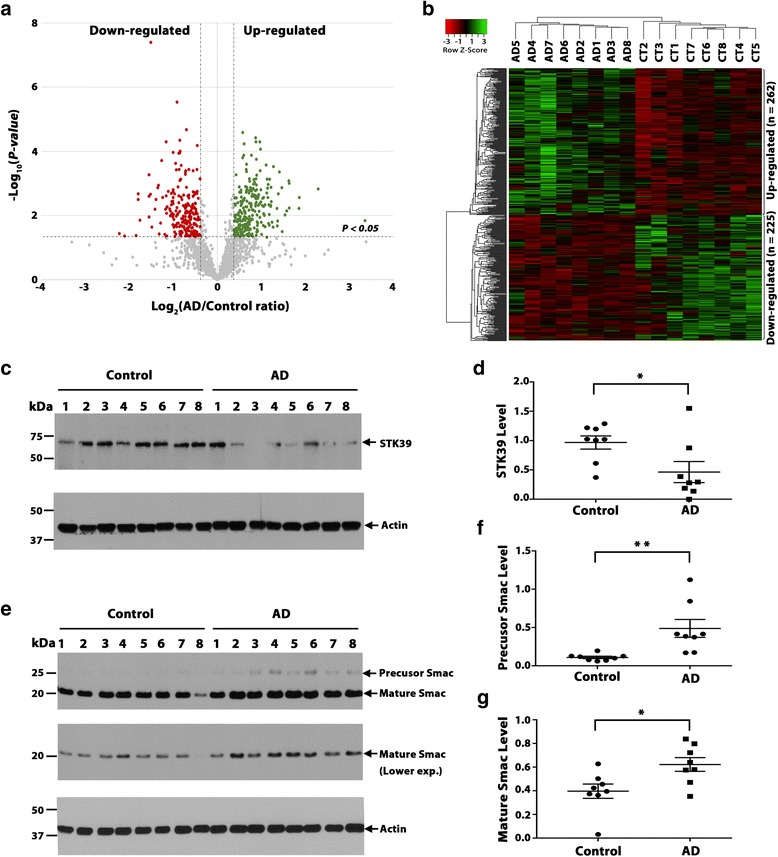
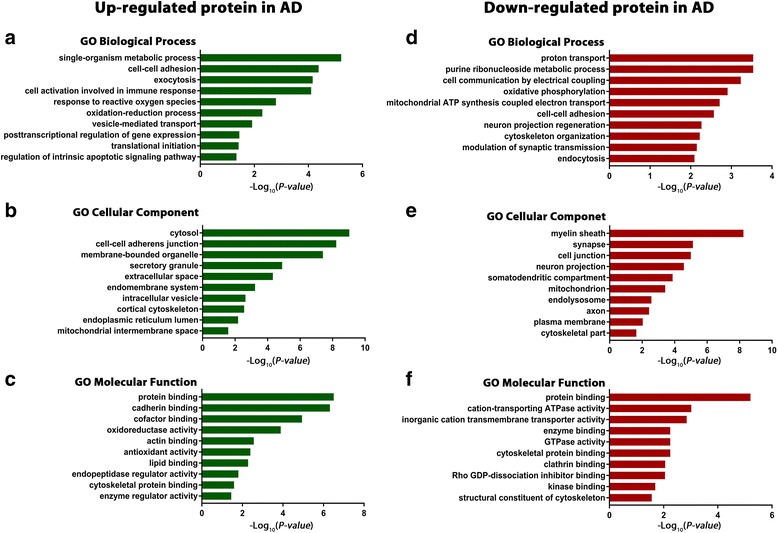
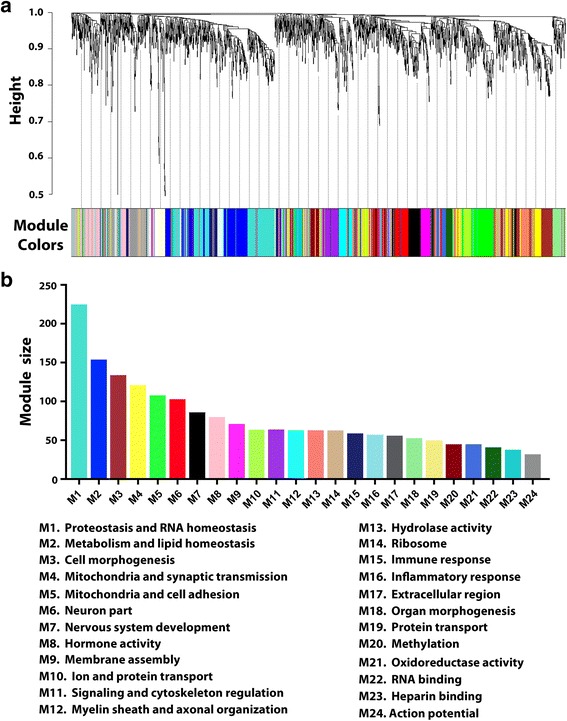
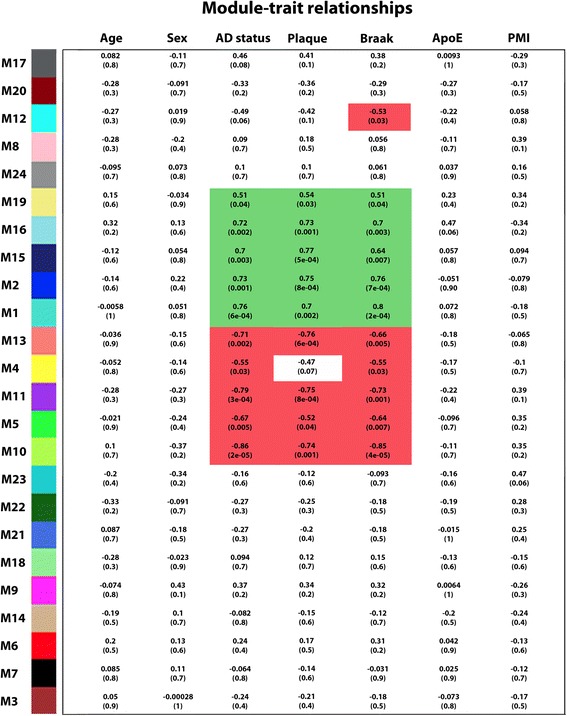
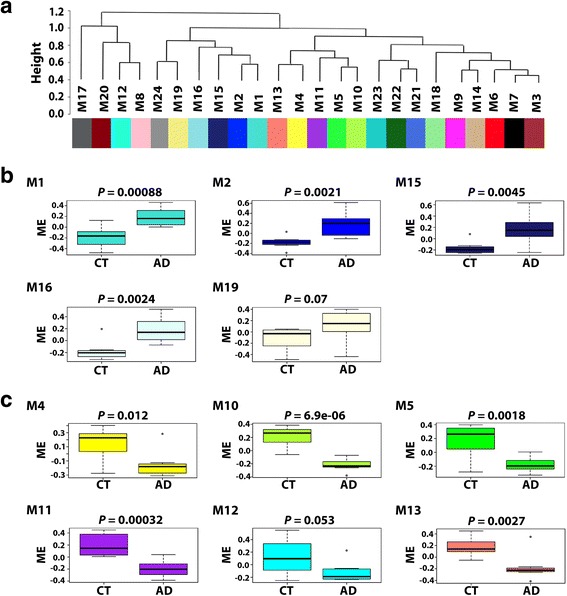
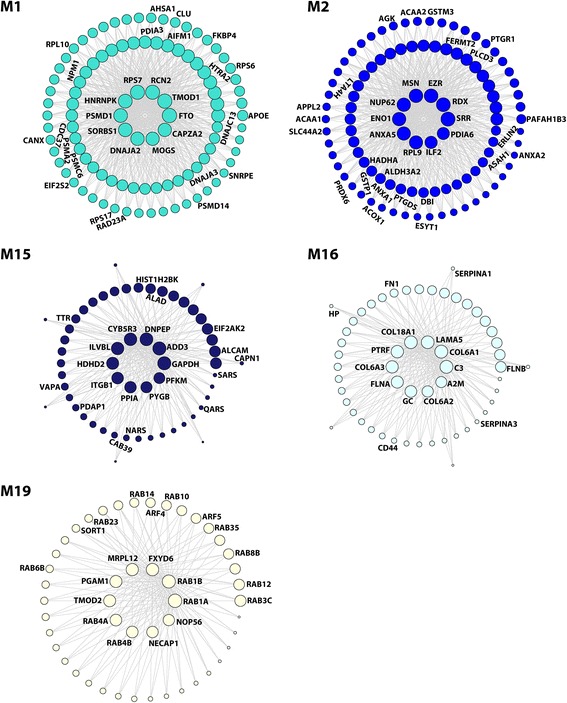
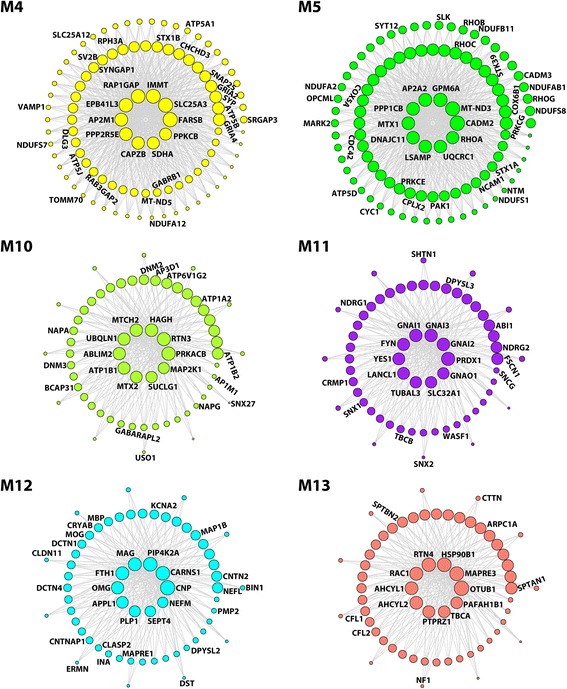
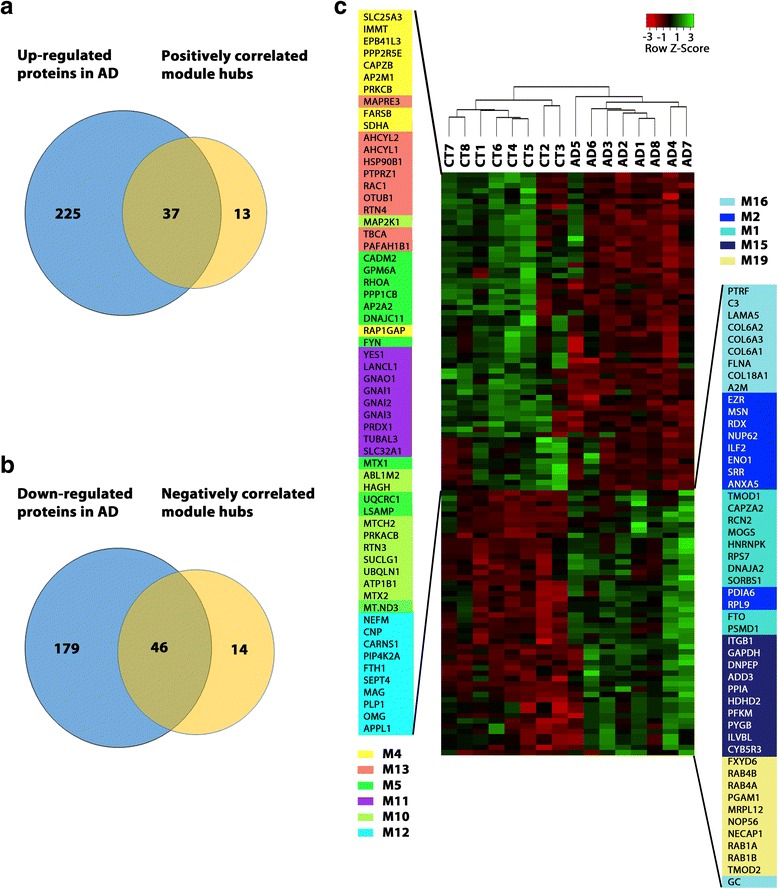
Although the genetic causes for several rare, familial forms of Alzheimer's disease (AD) have been identified, the etiology of the sporadic form of AD remains unclear. Here, we report a systems-level study of disease-associated proteome changes in human frontal cortex of sporadic AD patients using an integrated approach that combines mass spectrometry-based quantitative proteomics, differential expression analysis, and co-expression network analysis. Our analyses of 16 human brain tissues from AD patients and age-matched controls showed organization of the cortical proteome into a network of 24 biologically meaningful modules of co-expressed proteins. Of these, 5 modules are positively correlated to AD phenotypes with hub proteins that are up-regulated in AD, and 6 modules are negatively correlated to AD phenotypes with hub proteins that are down-regulated in AD. Our study generated a molecular blueprint of altered protein networks in AD brain and uncovered the dysregulation of multiple pathways and processes in AD brain, including altered proteostasis, RNA homeostasis, immune response, neuroinflammation, synaptic transmission, vesicular transport, cell signaling, cellular metabolism, lipid homeostasis, mitochondrial dynamics and function, cytoskeleton organization, and myelin-axon interactions. Our findings provide new insights into AD pathogenesis and suggest novel candidates for future diagnostic and therapeutic development.
Keywords: Alzheimer’s disease; Brain proteome; Differential expression analysis; Mass spectrometry; Network biology; Neurodegeneration; Protein co-expression network analysis; Quantitative proteomics.
Conflict of interest statement
Ethics approval and consent to participate
All research in this study was performed in accordance with the US National Institutions of Health guidelines for research involving human tissues and with the ethical standards and principles of the Declaration of Helsinki. All brain tissues were obtained from Emory Center for Neuro-degenerative Disease Brain Bank. Human postmortem brain tissues were acquired with Institutional Review Board (IRB) approval and informed consent from the subject or the family.
Consent for publication
Not applicable.
Competing interests
The authors declare that they have no competing interests.
Publisher’s Note
Springer Nature remains neutral with regard to jurisdictional claims in published maps and institutional affiliations.
Figures
References
Publication types
MeSH terms
Substances
Grants and funding
LinkOut - more resources
Full Text Sources
Other Literature Sources
Medical
Molecular Biology Databases
