. 2018:248:369-396.
doi: 10.1007/164_2018_92.

Innate Immune Signaling and Alcohol Use Disorders

Affiliations

Innate Immune Signaling and Alcohol Use Disorders

Leon G Coleman Jr et al. Handb Exp Pharmacol. 2018.

Erratum in

Abstract

Innate immune signaling is an important feature in the pathology of alcohol use disorders. Alcohol abuse causes persistent innate immune activation in the brain. This is seen in postmortem human alcoholic brain specimens, as well as in primate and rodent models of alcohol consumption. Further, in vitro models of alcohol exposure in neurons and glia also demonstrate innate immune activation. The activation of the innate immune system seems to be important in the development of alcohol use pathology, as anti-immune therapies reduce pathology and ethanol self-administration in rodent models. Further, innate immune activation has been identified in each of the stages of addiction: binge/intoxication, withdrawal/negative affect, and preoccupation/craving. This suggests that innate immune activation may play a role both in the development and maintenance of alcoholic pathology. In this chapter, we discuss the known contributions of innate immune signaling in the pathology of alcohol use disorders, and present potential therapeutic interventions that may be beneficial for alcohol use disorders.

Keywords: Addiction; Alcohol; Neuroimmune; Treatment.


Figures
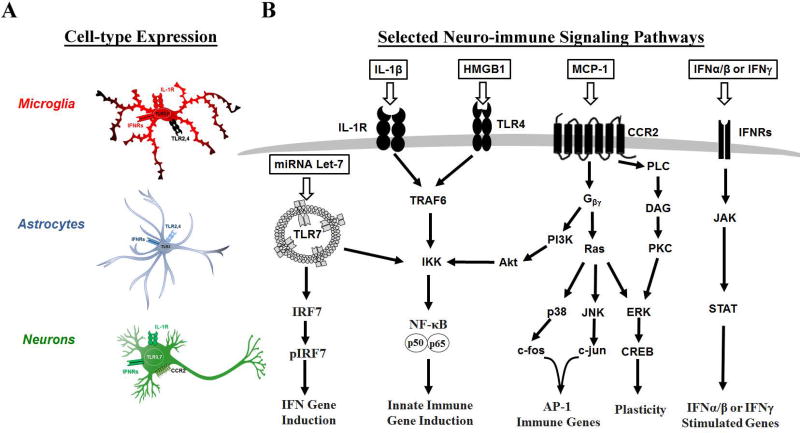
Figure 1
Figure 1. Selected Toll-like Receptors (TLRs), cytokine (IL-1β) and chemokine (MCP-1) signaling pathways in brain cells relevant to Alcoholism
Selected immune signaling pathways that are involved in alcohol use pathologies are illustrated. (A) The three primary neuroimmune cell types-microglia, astrocytes, and neurons-are illustrated with selected immune receptors that are relevant to alcohol use disorders. Several TLRs are implicated in microglial and astrocyte activation including TLRs2–4 and 7. Microglia also contain the IL-1β receptor (IL-1R) and interferon (IFN) receptors. Astrocytes contain TLRs2–4 as well as IFN receptors. Neurons have TLR3 and 7 responses in the context of alcohol use disorders, as well as the MCP-1 receptor (CCR2) and IFN receptors. (B) Simplified versions of the signaling cascades for immune receptors that are relevant to alcoholism are shown. The TLR7 pathway, has been shown to be involved in alcoholic hippocampal neurodegeneration, and can lead to IFN gene induction via IRF7 as well as NFκB mediated immune gene induction. Both the IL-1R and surface TLRs such as TLR4 share the same downstream signaling pathway leading to NFκB mediated immune gene induction. The chemokine MCP-1 regulates ethanol self-administration and is a G-protein coupled receptor that can result in AP-1 mediated immune gene induction, NFκB activation, or neuronal plasticity via CREB signaling. The interferon receptors (IFN) are on all three cell types and are associated with depressive phenotypes. These activate the JAK/STAT signaling pathway to result in interferon response gene expression. See References: [, , , , , , –216]
Figure 2
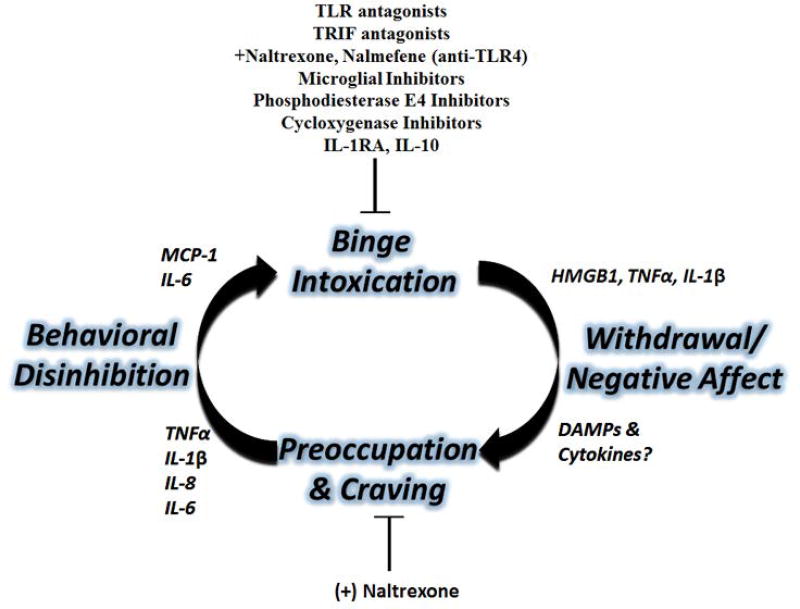
Figure 2. Neuroimmune Contributions to the Cycle of Addiction
The three main stages of the cycle of addiction-binge/intoxication, withdrawal/negative affect, and preoccupation/craving-each have neuroimmune contributions. Multiple neuroimmune interventions reduce alcohol self-administration in rodent models. Binge intoxication causes the induction of several immune signaling molecules such as HMGB1, TNFα, and IL-1β. Neuroimmune molecules might also mediate some of the negative affect seen during withdrawal. The TLR4 antagonist (+)-Naltrexone reduces alcohol-induced conditioned-place preference (a feature of craving), and several immune molecules in plasma have been associated with craving in human alcoholics. See References: [119, 121, 126, 181, 189, 211, 212]
Figure 3
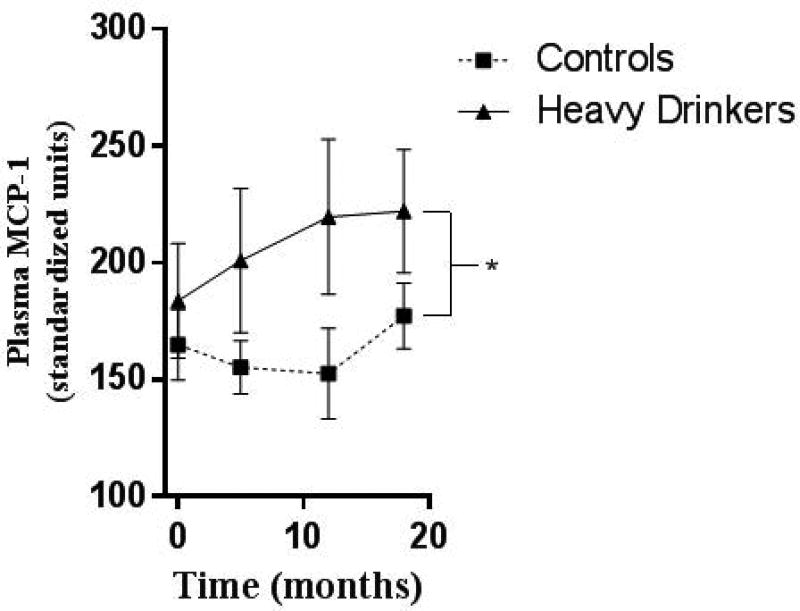
Figure 3. Elevated Plasma MCP-1 in Heavy-Drinking Adolescent Rhesus Macaques
Adolescent rhesus macaques had free access to either water or ethanol for 18 months. MCP-1 was measure by cytokine multiplex. Ethanol drinkers showed increased plasma MCP-1 across the exposure period: 2-way ANOVA F(1,38)=4.250, *p<0.05. Courtesy K. Grant et al, The Monkey Alcohol and Tissue Research Resource (MATRR)
Figure 4
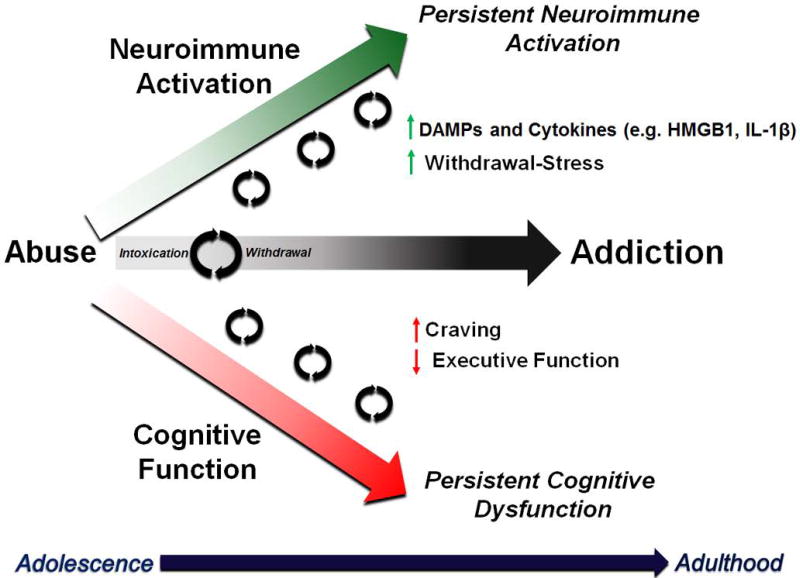
Figure 4. Multiple Drug Exposures Amplify Neuroimmune Signals and Cognitive Decline
The natural history of alcohol use disorders involves a progression from adolescence into adulthood of recurrent cycles of binge intoxication and withdrawal. Neuroimmune signaling is amplified with each cycle, as cognitive function progressively worsens.
Figure 5
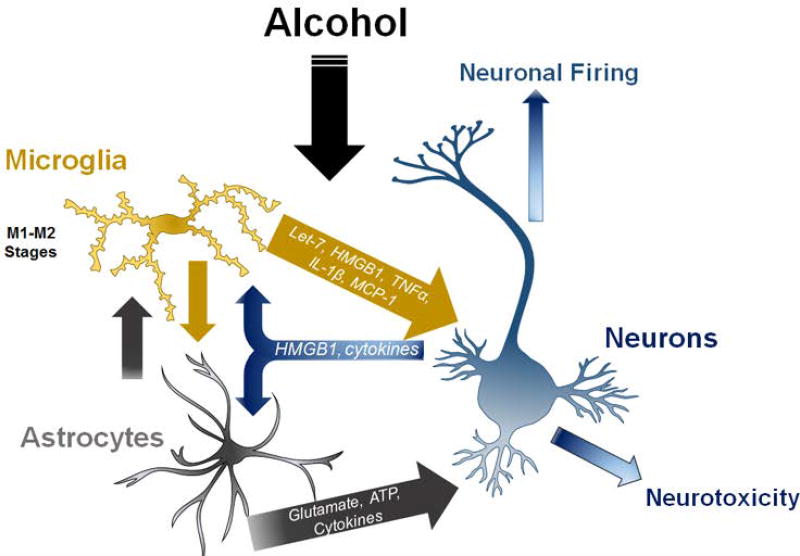
Figure 5. Neuron-glia cell-cell interactions in neuroimmune responses to alcohol
Neuronalglial interactions underlie neuroimmune signaling in alcohol use disorders. Microglia release factors such as microRNA let-7, HMGB1 and cytokines that can cause either neurotoxicity or altered neuronal activity. Microglia and astrocytes likely release factors that alter each other’s activation status. Astrocytes modulate glutamate and ATP levels that affect neuronal signaling and vitality. Neurons release factors such as HMGB1, fractalkine and cytokines that can modulate microglial and astrocyte activation. See References: [19, 21, 27, 74, 77, 157]

References

    1. Sheng J, Ruedl C, Karjalainen K. Most Tissue-Resident Macrophages Except Microglia Are Derived from Fetal Hematopoietic Stem Cells. Immunity. 2015;43(2):382–93. - PubMed
    1. Hoeffel G, et al. C-Myb(+) erythro-myeloid progenitor-derived fetal monocytes give rise to adult tissue-resident macrophages. Immunity. 2015;42(4):665–78. - PMC - PubMed
    1. Ginhoux F, et al. Fate mapping analysis reveals that adult microglia derive from primitive macrophages. Science. 2010;330(6005):841–5. - PMC - PubMed
    1. Ginhoux F, et al. Origin and differentiation of microglia. Front Cell Neurosci. 2013;7:45. - PMC - PubMed
    1. Salter MW, Stevens B. Microglia emerge as central players in brain disease. Nat Med. 2017;23(9):1018–1027. - PubMed

LinkOut - more resources