


New genetic tools for the in vivo study of hematopoietic stem cell function
- PMID: 29501466
- PMCID: PMC5899657
- DOI: 10.1016/j.exphem.2018.02.004
New genetic tools for the in vivo study of hematopoietic stem cell function
Abstract
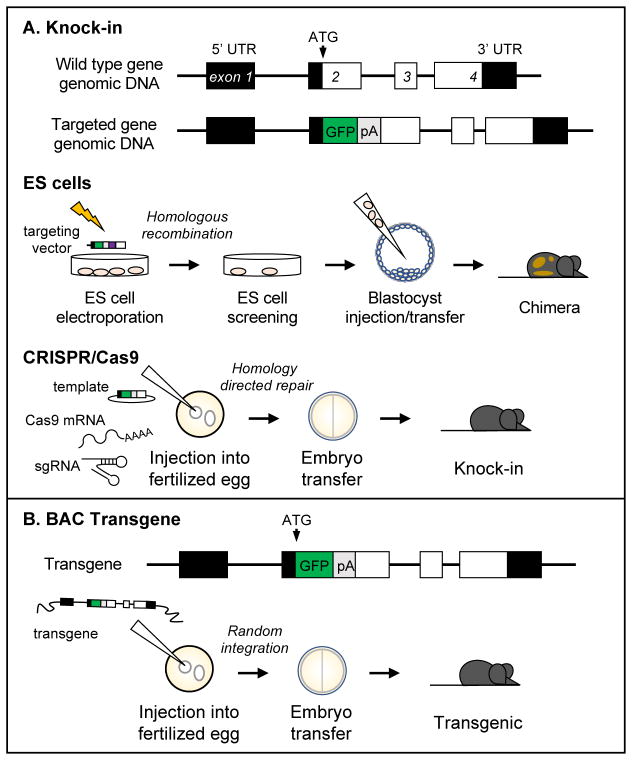
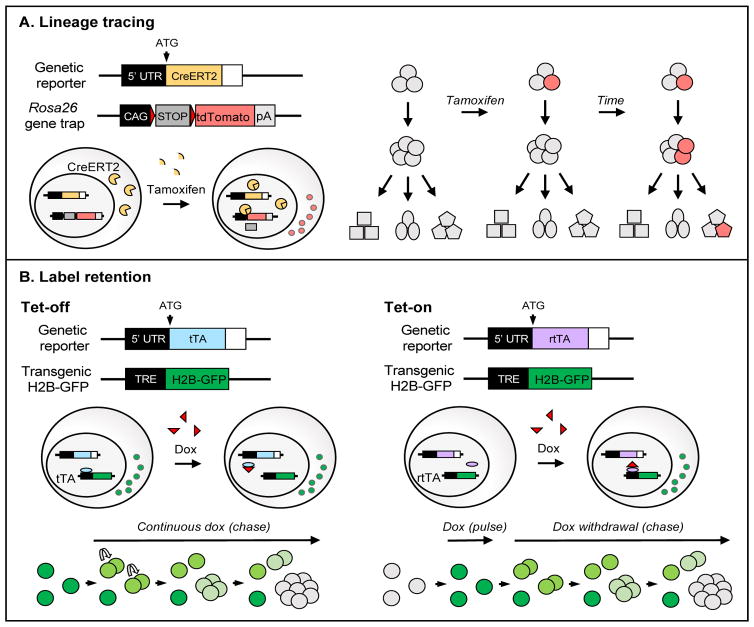
The production of blood cells is dependent on the activity of a rare stem cell population that normally resides in the bone marrow (BM) of the organism. These hematopoietic stem cells (HSCs) have the ability to both self-renew and differentiate, ensuring this lifelong hematopoiesis. Determining the regulation of HSC functions should thus provide critical insight to advancing regenerative medicine. Until quite recently, HSCs were primarily studied using in vitro studies and transplantations into immunodeficient hosts. Indeed, the definition of a bona fide HSC is its ability to reconstitute lymphopenic hosts. In this review, we discuss the development of novel, HSC-specific genetic reporter systems that enable the prospective identification of HSCs and the study of their functions in the absence of transplantation. Coupled with additional technological advances, these studies are now defining the fundamental properties of HSCs in vivo. Furthermore, complex cellular and molecular mechanisms that regulate HSC dormancy, self-renewal, and differentiation are being identified and further dissected. These novel reporter systems represent a major technological advance for the stem cell field and allow new questions to be addressed.
Copyright © 2018 ISEH – Society for Hematology and Stem Cells. Published by Elsevier Inc. All rights reserved.
Figures
References
-
- Adolfsson J, et al. Identification of Flt3+ lympho-myeloid stem cells lacking erythro-megakaryocytic potential a revised road map for adult blood lineage commitment. Cell. 2005;121(2):295–306. - PubMed
-
- Kiel MJ, et al. SLAM family receptors distinguish hematopoietic stem and progenitor cells and reveal endothelial niches for stem cells. Cell. 2005;121(7):1109–21. - PubMed
-
- Osawa M, et al. Long-term lymphohematopoietic reconstitution by a single CD34-low/negative hematopoietic stem cell. Science. 1996;273(5272):242–5. - PubMed
Publication types
MeSH terms
Grants and funding
LinkOut - more resources
Full Text Sources
Other Literature Sources
Medical
