


Therapeutic potential of bimatoprost for the treatment of eyebrow hypotrichosis
- PMID: 29503529
- PMCID: PMC5826207
- DOI: 10.2147/DDDT.S156467
Therapeutic potential of bimatoprost for the treatment of eyebrow hypotrichosis
Abstract
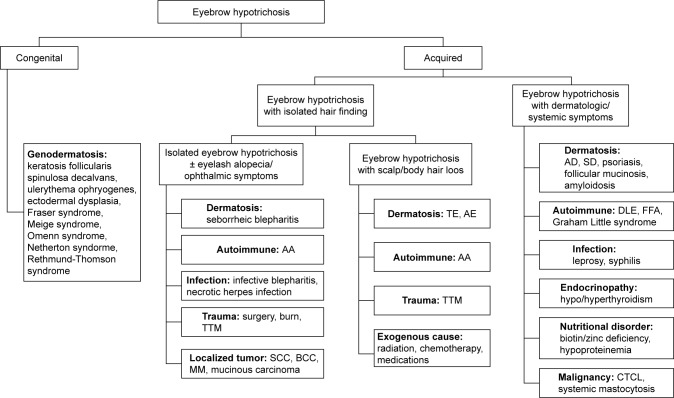
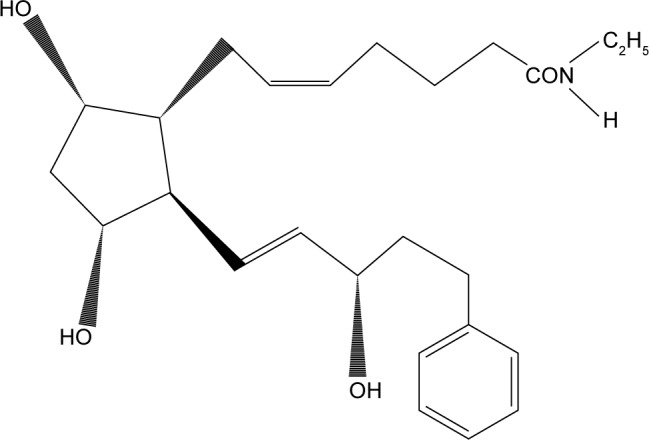
Eyebrows serve as a key feature of the face and have many roles, including cosmetic appearance and social communication. Eyebrow hypotrichosis, which refers to reduction or absence of the eyebrow hair, could be a major problem that leads to negative functional, psychological, and social consequences. Bimatoprost is an ophthalmic prostamide analog that is approved by the United States Food and Drug Administration for the treatment of eyelash hypotrichosis. Its proposed mechanism is stimulation of the prostaglandin receptor in dermal papilla and melanocyte, thus leading to a prolonged anagen phase and increased melanogenesis. The hair follicle then increases in thickness, length, and darkness. The efficacy of bimatoprost for the treatment of eyebrow hypotrichosis has been supported by well-controlled studies. Bimatoprost, which is noninvasive, effective, and well tolerated, is worth considering as a treatment option for eyebrow hypotrichosis.
Keywords: bimatoprost; eyebrow; hair; hypotrichosis; prostaglandin; prostamide.
Conflict of interest statement
Disclosure The authors report no conflicts of interest in this work.
Figures
References
-
- Sadr J, Jarudi I, Sinha P. The role of eyebrows in face recognition. Perception. 2003;32:285–293. - PubMed
-
- Goldman GD. Eyebrow transplantation. Dermatol Surg. 2001;27:352–354. - PubMed
-
- Velez N, Khera P, English JC., 3rd Eyebrow loss: clinical review. Am J Clin Dermatol. 2007;8:337–346. - PubMed
-
- Cohen JL. Enhancing the growth of natural eyelashes: the mechanism of bimatoprost-induced eyelash growth. Dermatol Surg. 2010;36:1361–1371. - PubMed
-
- Margulis A, Amar D, Billig A, Adler N. Periorbital reconstruction with the expanded pedicled forehead flap. Ann Plast Surg. 2015;74:313–317. - PubMed
Publication types
MeSH terms
Substances
LinkOut - more resources
Full Text Sources
Other Literature Sources
Medical
