


Cold acclimation reduces hepatic protein Kinase B and AMP-activated protein kinase phosphorylation and increases gluconeogenesis in Rats
- PMID: 29504286
- PMCID: PMC5835512
- DOI: 10.14814/phy2.13592
Cold acclimation reduces hepatic protein Kinase B and AMP-activated protein kinase phosphorylation and increases gluconeogenesis in Rats
Abstract
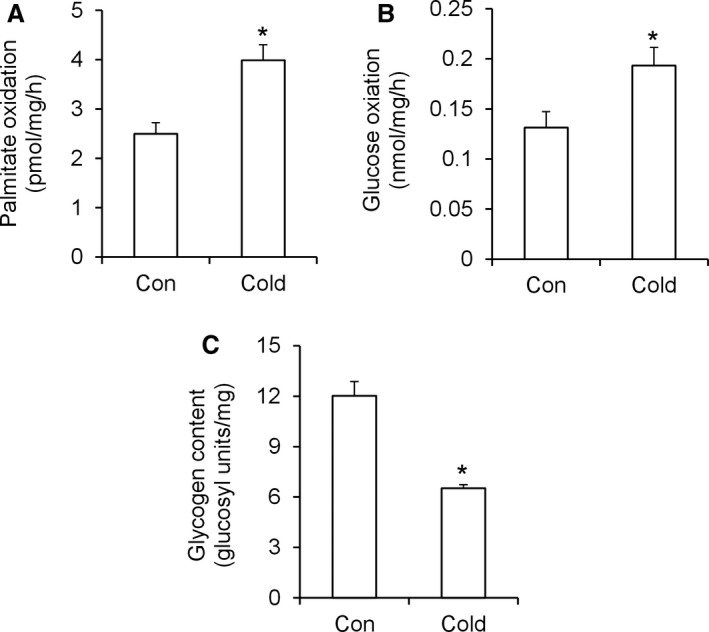
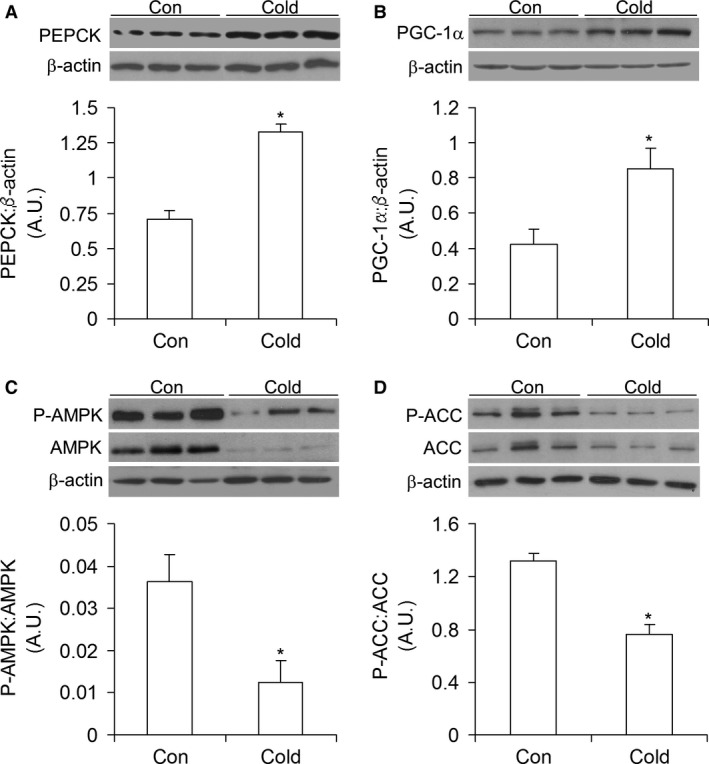
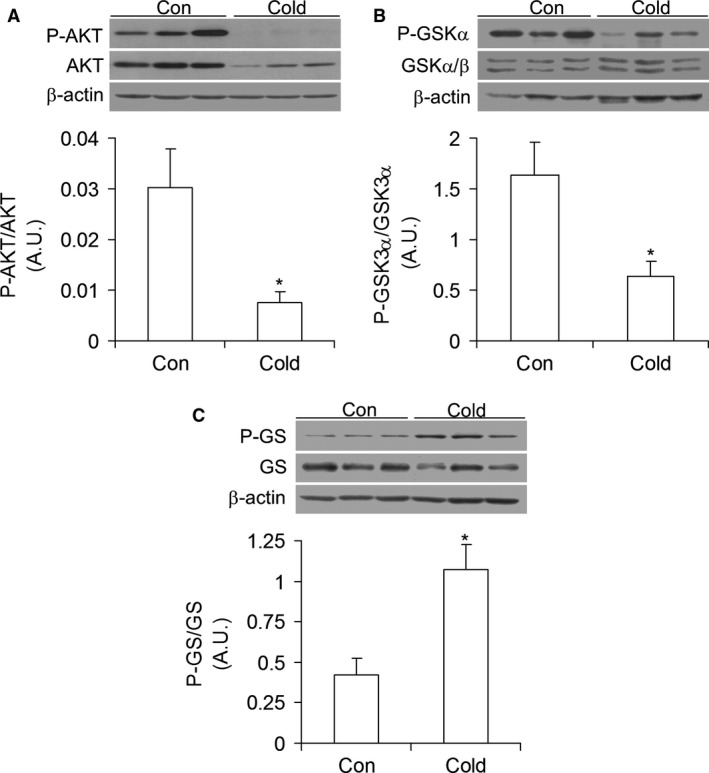
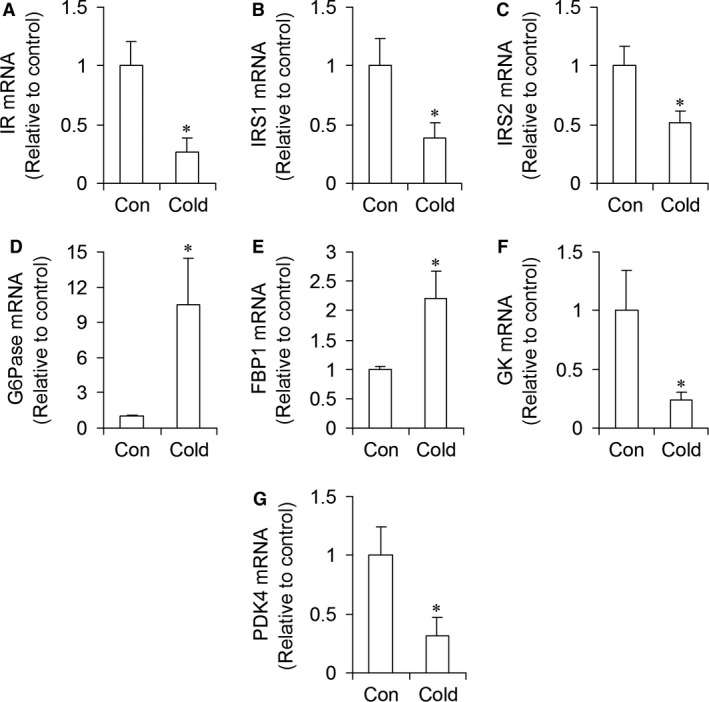
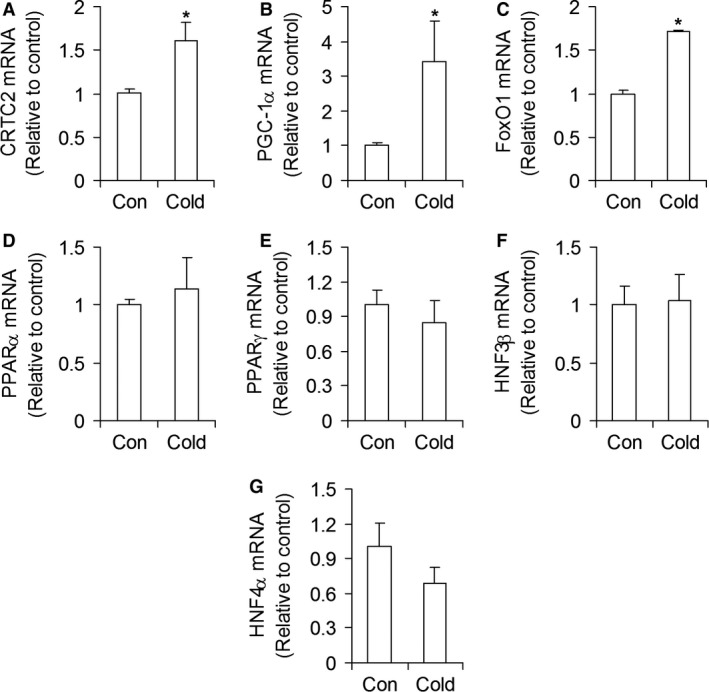
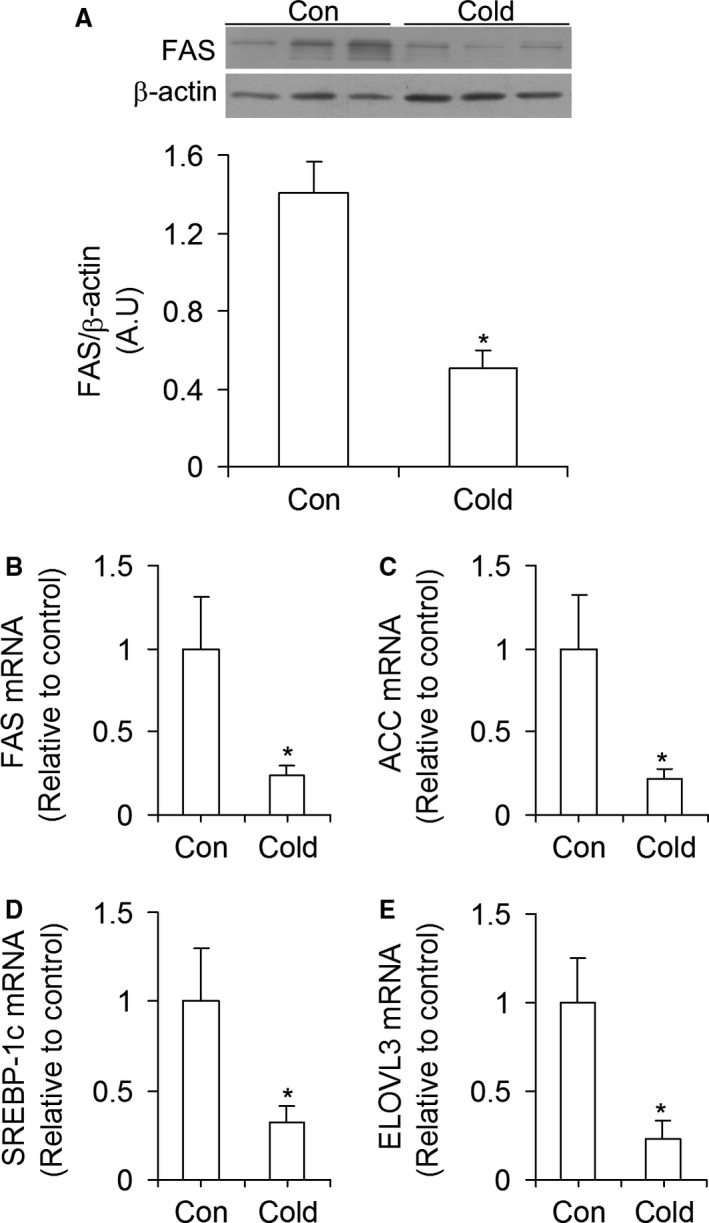
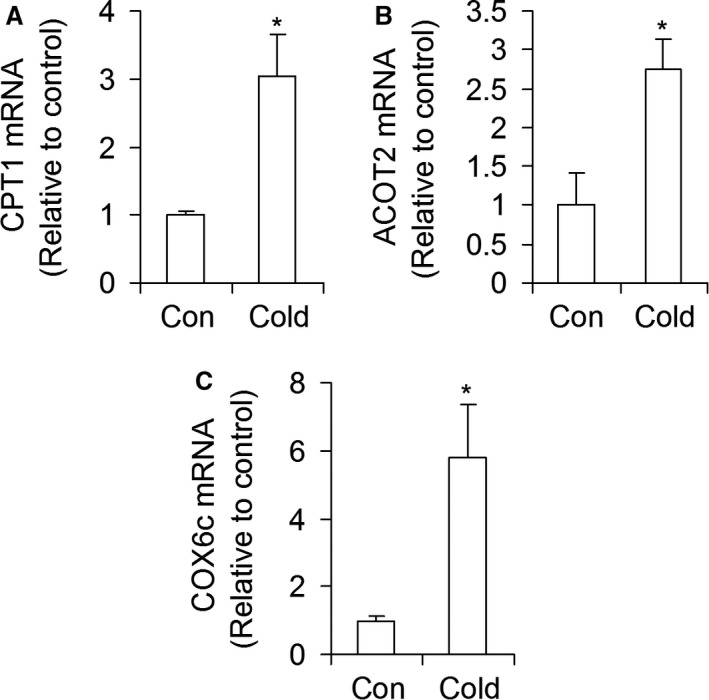
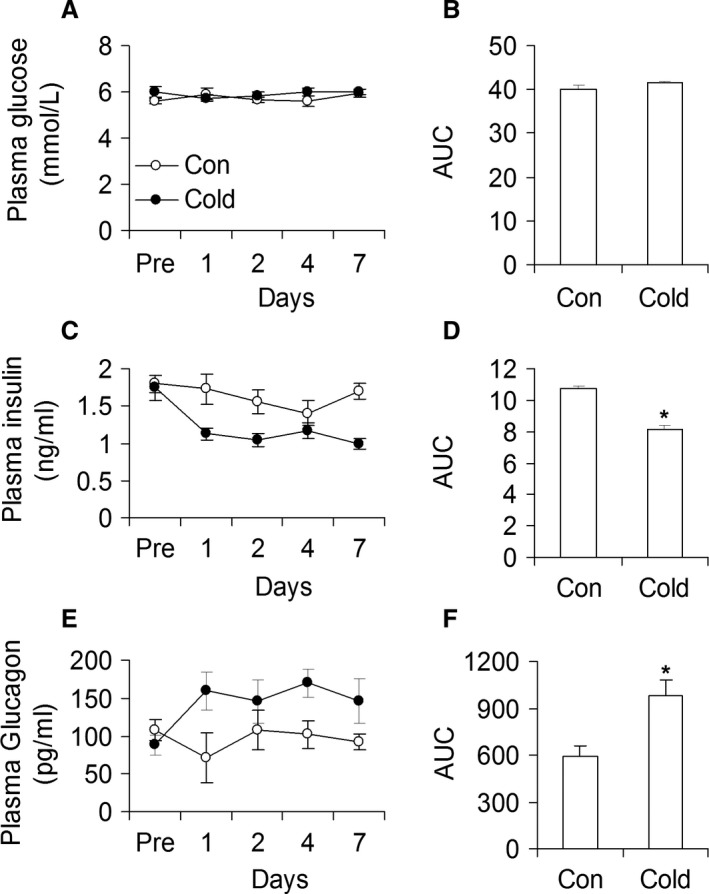
This study investigated the molecular and metabolic responses of the liver to cold-induced thermogenesis. To accomplish that, male Wistar rats were exposed to cold (4°C) for 7 days. Livers were then extracted and used for the determination of glucose and fatty acid oxidation, glycogen content, the expression and content of proteins involved in insulin signaling, as well as in the regulation of gluconeogenesis and de novo lipid synthesis. Despite being hyperphagic, cold-acclimated rats displayed normoglycemia with reduced insulinemia, which suggests improved whole-body insulin sensitivity. However, liver protein kinase B (AKT) and glycogen synthase kinase 3 (GSK3) phosphorylations were markedly reduced along with the expressions of the insulin receptor (IR) and its substrates IRS1 and IRS2, whereas glycogen synthase (GS) phosphorylation increased. Thus, major signaling steps of the glycogen synthesis pathway in the liver were inhibited. Furthermore, glucagonemia and hepatic glucose and fatty acid oxidation were increased, whereas liver glycogen content was reduced by cold acclimation. This was accompanied by significantly elevated expressions of the gluconeogenic transcription regulators CRTC2, PGC-1α, and FoxO1, as well as of major gluconeogenic enzymes (G6Pase, FBP1, and PEPCK). Conversely, phosphorylation and contents of AMP-activated protein kinase (AMPK) and acetyl-CoA carboxylase (ACC) and fatty acid synthase (FAS) content were markedly downregulated in livers of cold-acclimated rats. In conclusion, cold acclimation suppressed hepatic glycogen synthesis and promoted profound metabolic changes in the liver so the organ could sustain its ability to regulate whole-body glucose and lipid metabolism under conditions of high-energy demand in thermogenic tissues.
Keywords: AMPK; HNF4α; PGC-1α; fatty acid oxidation; glycogen; liver.
© 2018 The Authors. Physiological Reports published by Wiley Periodicals, Inc. on behalf of The Physiological Society and the American Physiological Society.
Figures
References
-
- Agius, L. 2008. Glucokinase and molecular aspects of liver glycogen metabolism. Biochem. J. 414:1–18. - PubMed
-
- Bartelt, A. , Bruns O. T., Reimer R., Hohenberg H., Ittrich H., Peldschus K., et al. 2011. Brown adipose tissue activity controls triglyceride clearance. Nat. Med. 17:200–205. - PubMed
-
- Block, B. 1994. Thermogenesis in muscle. Annu. Rev. Physiol. 56:535–577. - PubMed
Publication types
MeSH terms
Substances
LinkOut - more resources
Full Text Sources
Other Literature Sources
Research Materials
Miscellaneous
