


RNA expression profiling in sulfamethoxazole-treated patients with a range of in vitro lymphocyte cytotoxicity phenotypes
- PMID: 29511567
- PMCID: PMC5832900
- DOI: 10.1002/prp2.388
RNA expression profiling in sulfamethoxazole-treated patients with a range of in vitro lymphocyte cytotoxicity phenotypes
Abstract
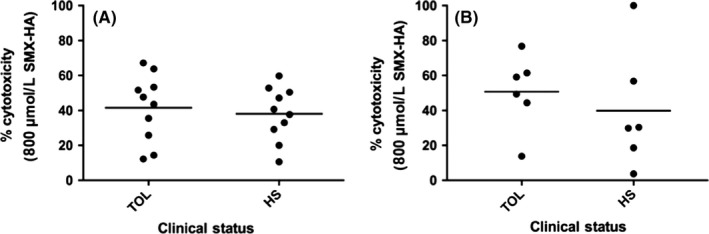
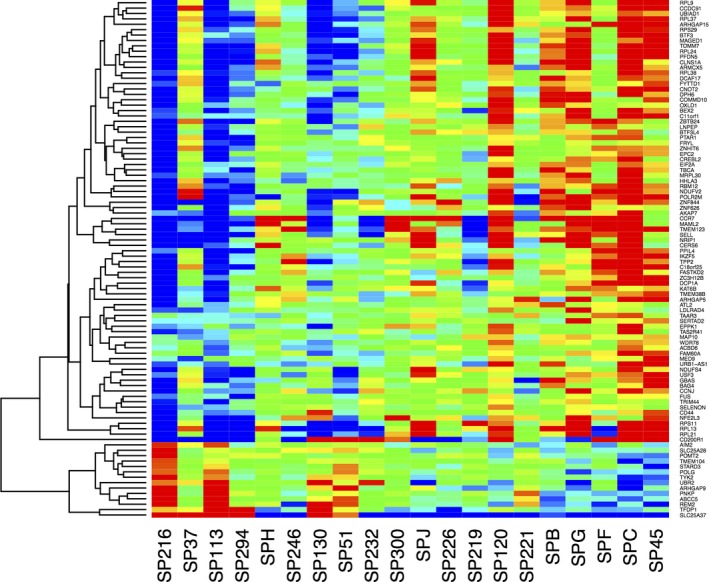
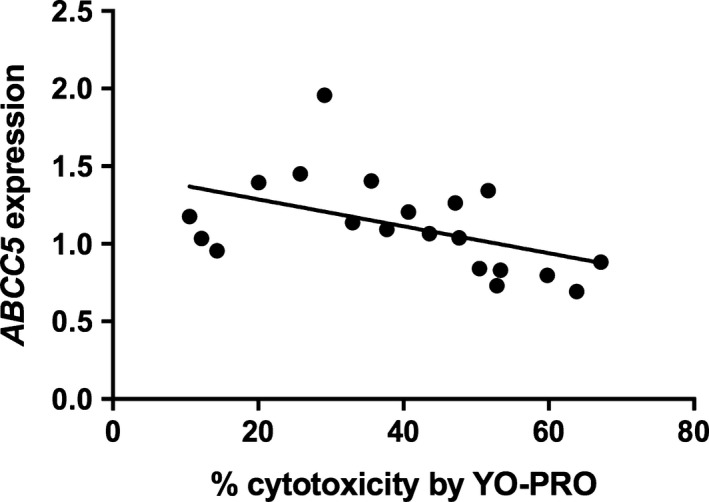
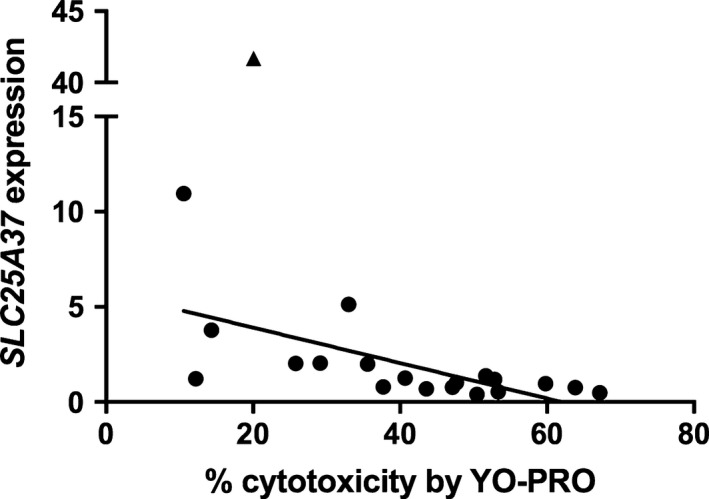
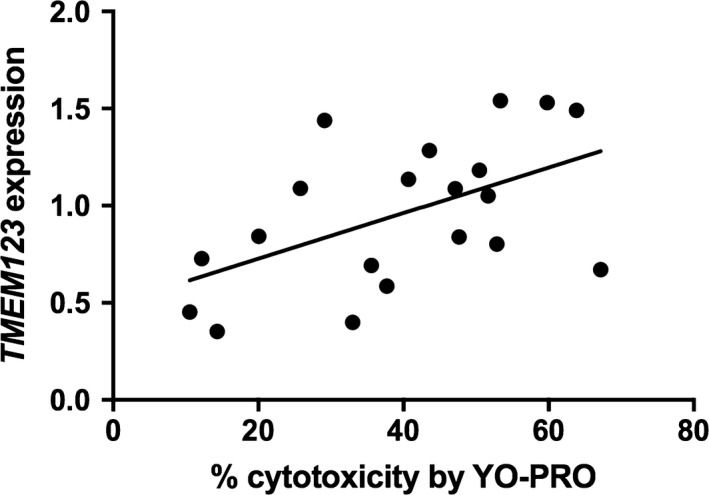
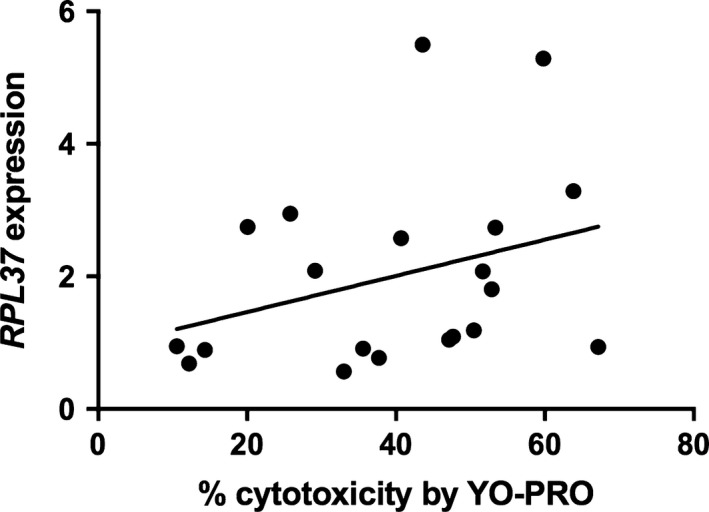
The lymphocyte toxicity assay (LTA) is a proposed surrogate marker of sulfonamide antibiotic hypersensitivity. In the LTA, peripheral blood mononuclear cells (PBMCs) undergo apoptosis more readily in hypersensitive versus tolerant patients when exposed to drug-hydroxylamine metabolites in vitro. The purpose of this study was to identify key gene transcripts associated with increased cytotoxicity from sulfamethoxazole-hydroxylamine in human PBMCs in the LTA. The LTA was performed on PBMCs of 10 patients hypersensitive to trimethoprim-sulfamethoxazole (HS) and 10 drug-tolerant controls (TOL), using two cytotoxicity assays: YO-PRO (n = 20) and MTT (n = 12). mRNA expression profiles of PBMCs, enriched for CD8+ T cells, were compared between HS and TOL patients. Transcript expression was interrogated for correlation with % cytotoxicity from YO-PRO and MTT assays. Correlated transcripts of interest were validated by qPCR. LTA results were not significantly different between HS and TOL patients, and no transcripts were found to be differentially expressed between the two groups. 96 transcripts were correlated with cytotoxicity by YO-PRO (r = ±.63-.75, FDR 0.188). Transcripts were selected for validation based on mechanistic plausibility and three were significantly over-expressed by qPCR in high cytotoxicity patients: multi-specific organic anion transporter C (ABCC5), mitoferrin-1 (SLC25A37), and Porimin (TMEM123). These data identify novel transcripts that could contribute to sulfonamide-hydroxylamine induced cytotoxicity. These include SLC25A37, encoding a mitochondrial iron transporter, ABCC5, encoding an arylamine drug transporter, and TMEM123, encoding a transmembrane protein that mediates cell death.
Keywords: cell death; hypersensitivity; idiosyncratic drug reactions; in vitro toxicity; reactive metabolites.
Figures
References
-
- Avgeri SG, Matthaiou DK, Dimopoulos G, Grammatikos AP, Falagas ME. Therapeutic options for Burkholderia cepacia infections beyond co‐trimoxazole: a systematic review of the clinical evidence. Int J Antimicrob Agents. 2009;33:394‐404. - PubMed
-
- Drekonja DM, Johnson JR. Urinary tract infections. Prim Care. 2008;35:345‐367. - PubMed
-
- Drekonja DM, Traynor LM, DeCarolis DD, Crossley KB, Johnson JR. Treatment of non‐life‐threatening methicillin‐resistant Staphylococcus aureus infections with alternative antimicrobial agents: a 2‐year retrospective review. Diagn Microbiol Infect Dis. 2009;63:201‐207. - PubMed
-
- Gupta D, Zachariah A, Roppelt H, Patel AM, Gruber BL. Prophylactic antibiotic usage for Pneumocystis jirovecii pneumonia in patients with systemic lupus erythematosus on cyclophosphamide: a survey of US rheumatologists and the review of literature. J Clin Rheumatol. 2008;14:267‐272. - PubMed
Publication types
MeSH terms
Substances
Grants and funding
LinkOut - more resources
Full Text Sources
Other Literature Sources
Medical
Molecular Biology Databases
Research Materials
