MicroRNA-214-5p/TGF-β/Smad2 signaling alters adipogenic differentiation of bone marrow stem cells in postmenopausal osteoporosis
- PMID: 29532880
- PMCID: PMC5928609
- DOI: 10.3892/mmr.2018.8713
MicroRNA-214-5p/TGF-β/Smad2 signaling alters adipogenic differentiation of bone marrow stem cells in postmenopausal osteoporosis
Abstract
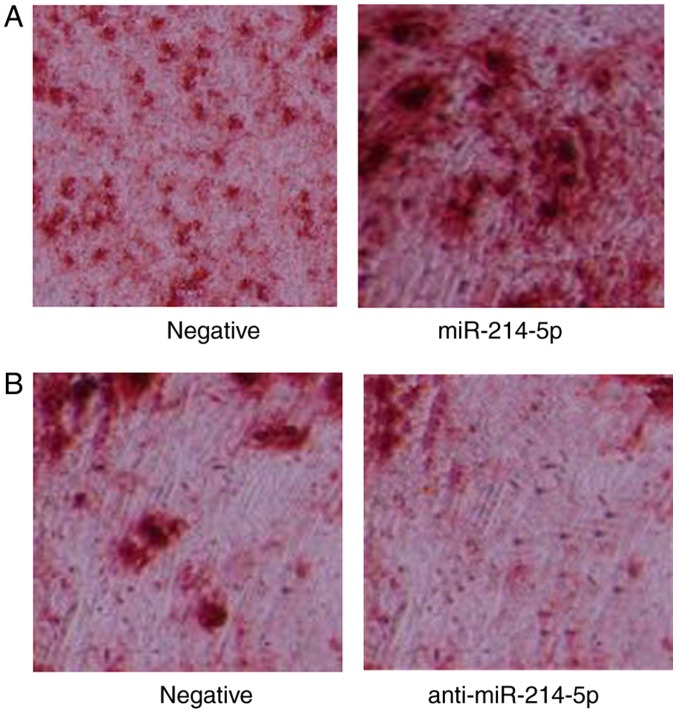
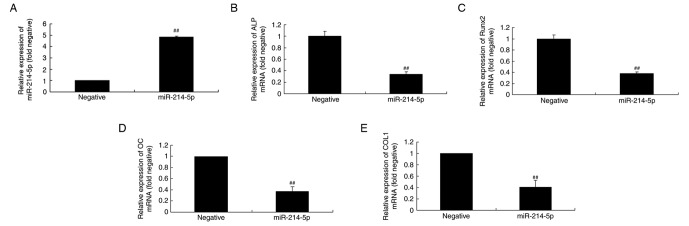
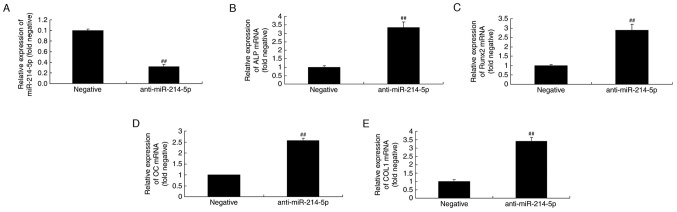
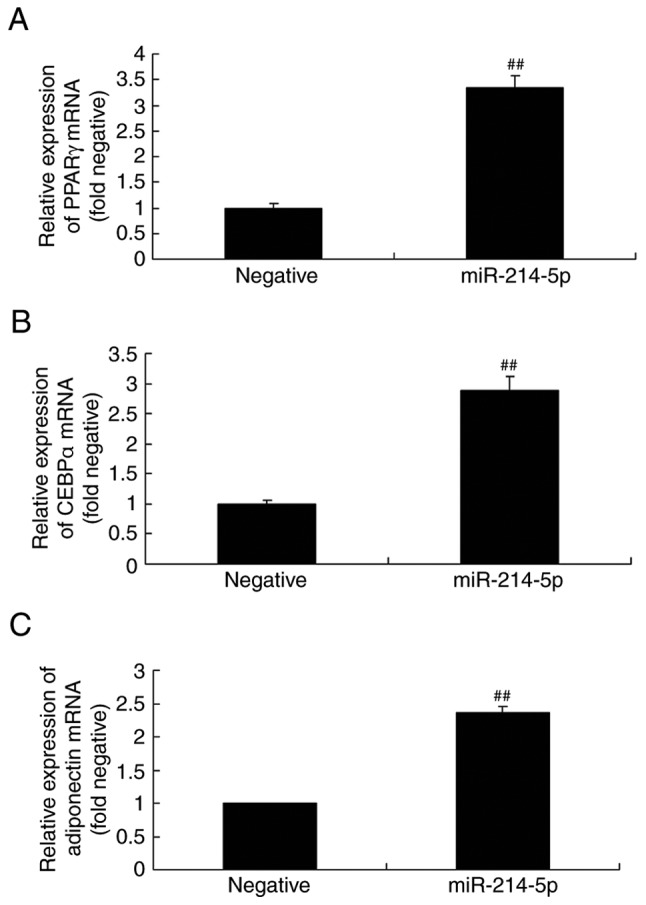
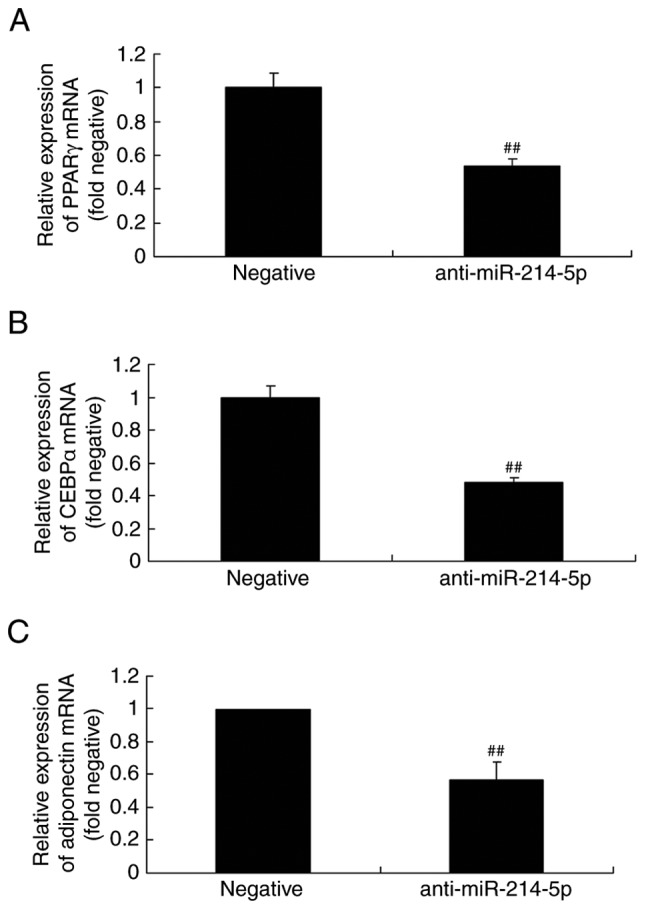
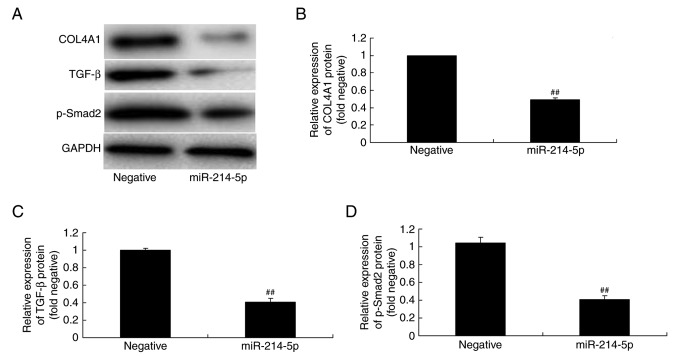
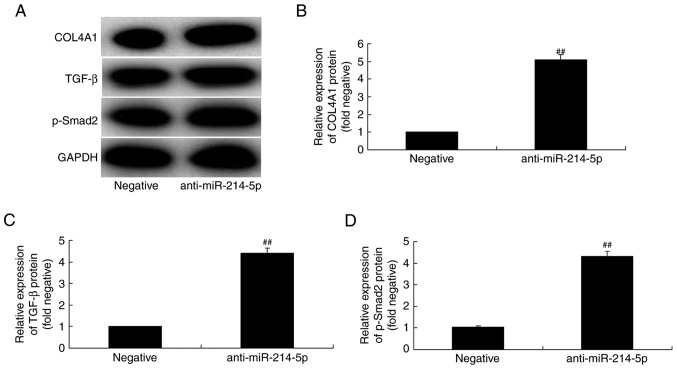
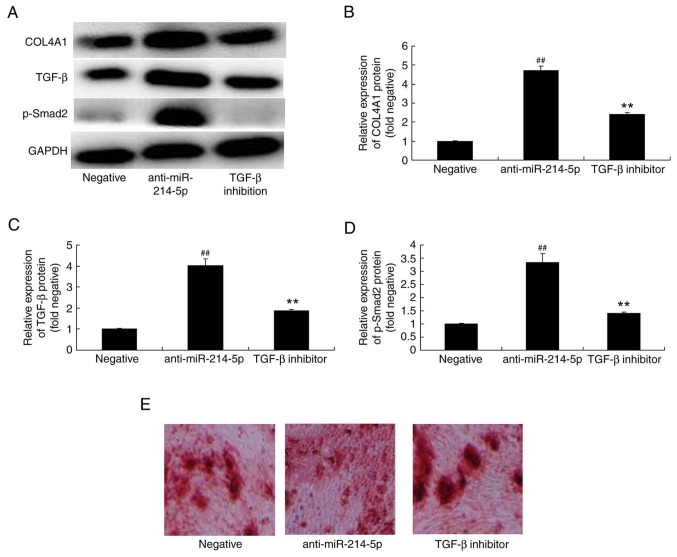
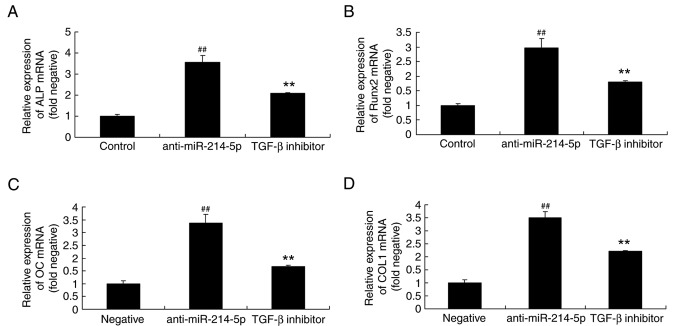
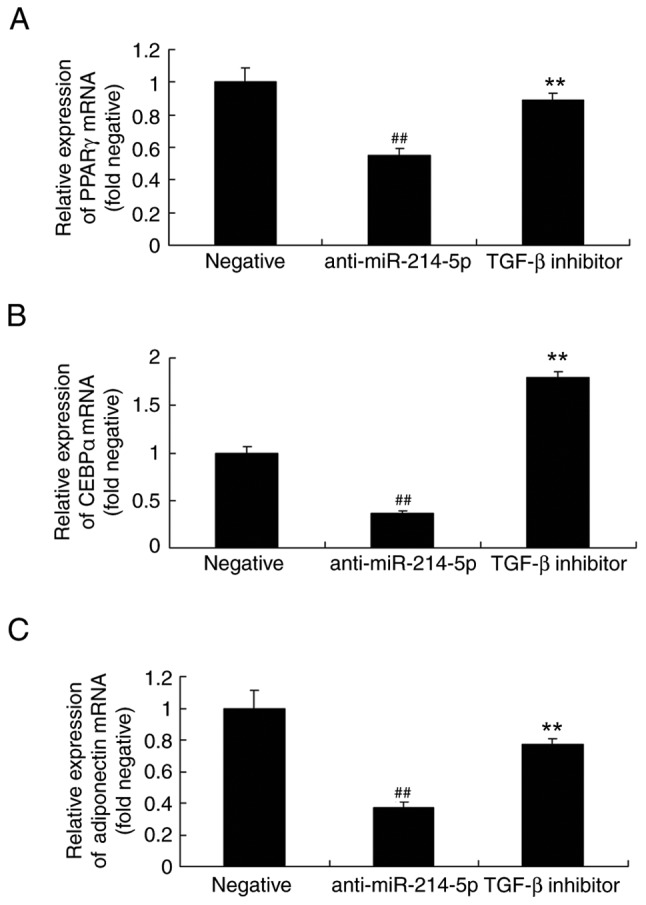
Postmenopausal osteoporosis (OPM) is a common type of osteoporosis in females. It is a systemic, chronic bone disease that presents as microstructure degradation of osseous tissue, decreased bone mineral density and increased osteopsathyrosis caused by hypoovarianism and reduced estrogen levels in the body following menopause. In the present study, the role of microRNA (miR)‑214‑5p in the regulation of the expression of bone marrow stem cells (BMSCs) was investigated, and its molecular mechanism of osteogenic induction in vitro was assessed. When dexamethasone‑induced adipogenic differentiation was performed, miR‑214‑5p expression was increased compared with the control group, as determined by RT‑qPCR. Furthermore, oil red O staining, RT‑qPCR and western blot analysis demonstrated that overexpression of miR‑214‑5p promoted adipogenic differentiation, inhibited alkaline phosphatase (ALP), runt‑related transcription factor 2 (Runx2), osteocalcin (OC) and collagen α‑1 (I) chain (COL1A1) mRNA expression, and suppressed transforming growth factor (TGF)‑β, phosphorylated (p)‑Smad2 and collagen type IV α1 chain (COL4A1) protein expression in BMSCs. Additionally, downregulation of miR‑214‑5p increased the ALP, Runx2, OC and COL1 mRNA expression and increased TGF‑β, Smad2 and COL4A1 protein expression in BMSCs. Furthermore, a TGF‑β inhibitor was employed to inhibit TGF‑β expression in BMSCs following miR‑214‑5p downregulation, which led to reduced Smad2, TGF‑β and COL4A1 protein expression, and ALP, Runx2, OC and COL1 mRNA expression was also reduced, compared with the miR‑214‑5p downregulation only group. It was demonstrated that miR‑214‑5p may weaken osteogenic differentiation of BMSCs through regulating COL4A1. In conclusion, the results of the present study indicated that miR‑214‑5p may promote the adipogenic differentiation of BMSCs through regulation of the TGF‑β/Smad2/COL4A1 signaling pathway, and potentially may be used to develop a novel drug for postmenopausal osteoporosis.
Keywords: microRNA-214-5p; adipogenic differentiation; bone marrow stem cells; transforming growth factor-β; Smad2.
Figures

References
-
- Pawlowski JW, Martin BR, McCabe GP, McCabe L, Jackson GS, Peacock M, Barnes S, Weaver CM. Impact of equol-producing capacity and soy-isoflavone profiles of supplements on bone calcium retention in postmenopausal women: A randomized crossover trial. Am J Clin Nutr. 2015;102:695–703. doi: 10.3945/ajcn.114.093906. - DOI - PMC - PubMed
-
- Itabashi A, Yoh K, Chines AA, Miki T, Takada M, Sato H, Gorai I, Sugimoto T, Mizunuma H, Ochi H, et al. Bridging analysis of the efficacy and safety of bazedoxifene in Japanese and global populations of postmenopausal women with osteoporosis. J Bone Miner Metab. 2015;33:61–72. doi: 10.1007/s00774-013-0554-6. - DOI - PubMed
-
- Filip R, Possemiers S, Heyerick A, Pinheiro I, Raszewski G, Davicco MJ, Coxam V. Twelve-month consumption of a polyphenol extract from olive (Olea europaea) in a double blind, randomized trial increases serum total osteocalcin levels and improves serum lipid profiles in postmenopausal women with osteopenia. J Nutr Health Aging. 2015;19:77–86. doi: 10.1007/s12603-014-0480-x. - DOI - PubMed
MeSH terms
Substances
LinkOut - more resources
Full Text Sources
Other Literature Sources
Medical
Miscellaneous