Review
. 2018 Sep;26(9):781-793.
doi: 10.1016/j.tim.2018.02.007. Epub 2018 Mar 10.

Within-Host Evolution of Human Influenza Virus

Affiliations
Review

Within-Host Evolution of Human Influenza Virus

Katherine S Xue et al. Trends Microbiol. 2018 Sep.

Abstract

The rapid global evolution of influenza virus begins with mutations that arise de novo in individual infections, but little is known about how evolution occurs within hosts. We review recent progress in understanding how and why influenza viruses evolve within human hosts. Advances in deep sequencing make it possible to measure within-host genetic diversity in both acute and chronic influenza infections. Factors like antigenic selection, antiviral treatment, tissue specificity, spatial structure, and multiplicity of infection may affect how influenza viruses evolve within human hosts. Studies of within-host evolution can contribute to our understanding of the evolutionary and epidemiological factors that shape influenza virus's global evolution.

Keywords: deep sequencing; evolution; influenza; within-host.


Figures

Figure I
Figure I
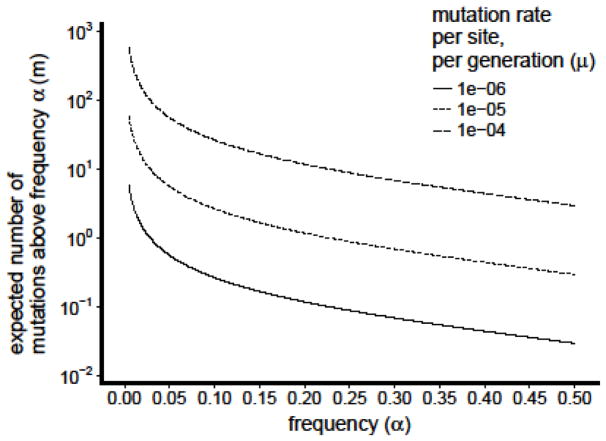
Expected number of within-host variants m above a given variant frequency α under neutral evolution. Expectations are displayed for different values of the per-site, per-generation mutation rate μ, which is multiplied by the number of base pairs in the genome of influenza virus to obtain the per-genome mutation rate u.
Figure 1
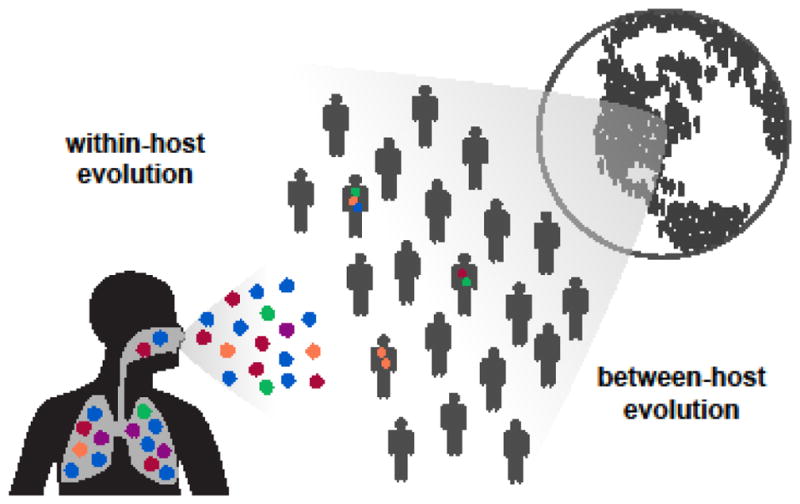
Figure 1. Within- and between-host evolutionary scales
The rapid global evolution of influenza virus begins with de novo mutations that arise within individual infected hosts.
Figure 2
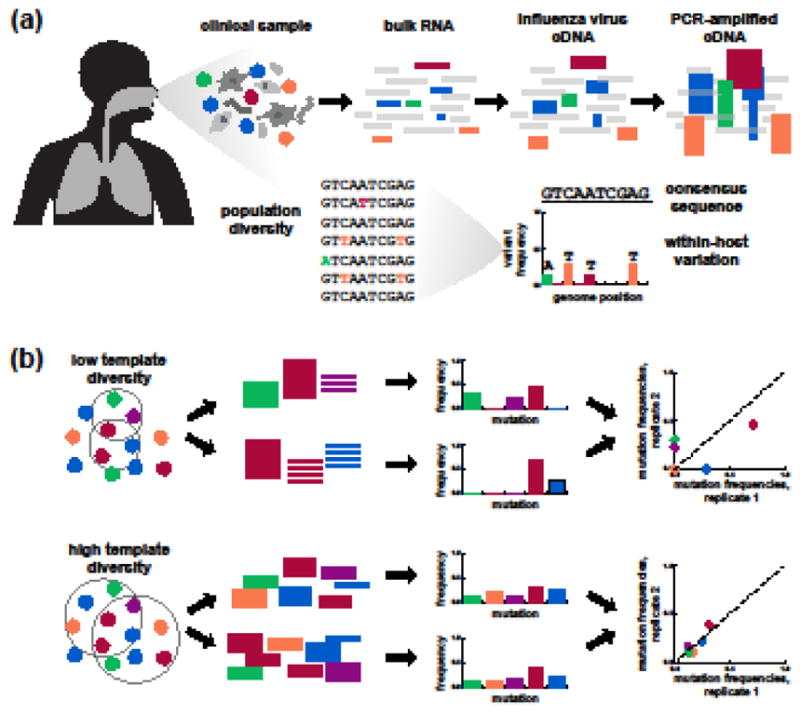
Figure 2. Deep-sequencing approaches to measuring within-host genetic diversity
(a) Common deep-sequencing workflows can identify variants that make up approximately 1% of the within-host population. (b) Most studies amplify viral genetic material prior to deep sequencing. Low template diversity, typically due to low viral load, can distort the variant frequencies measured by deep sequencing. Replicate libraries are important for identifying and excluding samples with low viral load that should be excluded from downstream analyses.
Figure 3
Figure 3. Factors affecting the evolution of influenza virus within human hosts
Antigenic selection, antiviral drugs, tissue structure, and multiplicity of infection can affect how influenza viruses evolve within hosts.
Figure 4
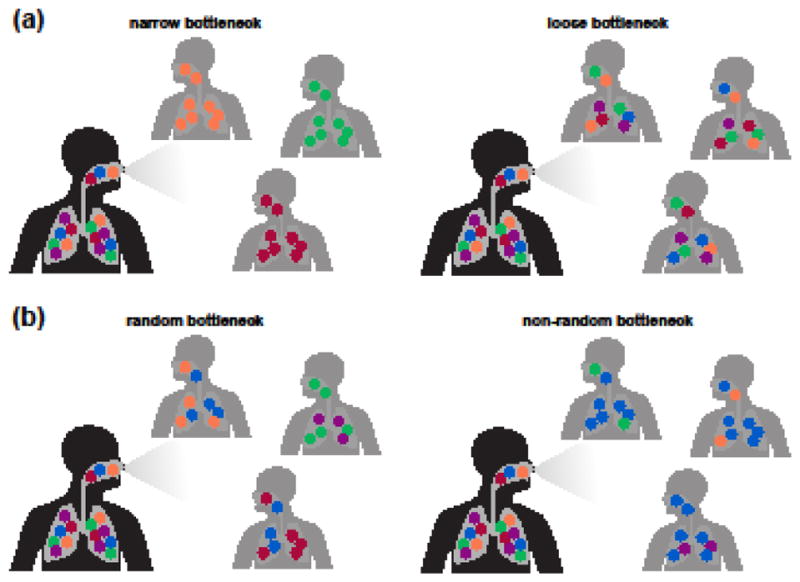
Figure 4. Transmission bottlenecks shape viral evolution
The size (a) and randomness (b) of transmission bottlenecks affect how much of the viral genetic diversity generated within one host survives to initiate another infection.

References

    1. Fitch WM, et al. Positive Darwinian evolution in human influenza A viruses. Proc Natl Acad Sci U S A. 1991;88:4270–4274. - PMC - PubMed
    1. Ghedin E, et al. Large-scale sequencing of human influenza reveals the dynamic nature of viral genome evolution. Nature. 2005;437:1162–1166. - PubMed
    1. Rambaut A, et al. The genomic and epidemiological dynamics of human influenza A virus. Nature. 2008;453:615–619. - PMC - PubMed
    1. Bhatt S, et al. The genomic rate of molecular adaptation of the human influenza A virus. Mol Biol Evol. 2011;28:2443–51. - PMC - PubMed
    1. Sanjuán R, et al. Viral mutation rates. J Virol. 2010;84:9733–48. - PMC - PubMed

MeSH terms