


Screening for Biologically Annotated Drugs That Trigger Triacylglycerol Accumulation in the Diatom Phaeodactylum
- PMID: 29535162
- PMCID: PMC6001342
- DOI: 10.1104/pp.17.01804
Screening for Biologically Annotated Drugs That Trigger Triacylglycerol Accumulation in the Diatom Phaeodactylum
Abstract
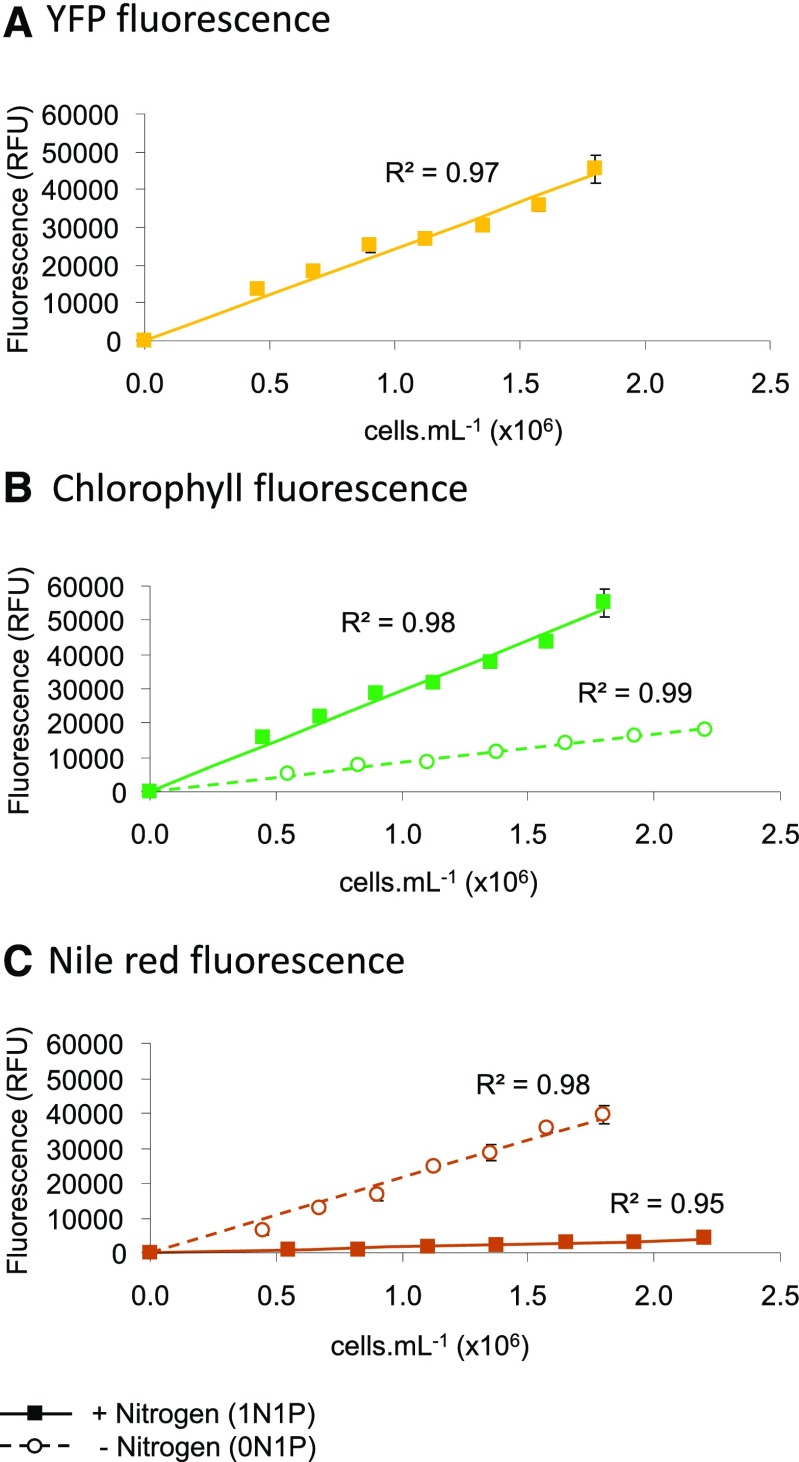
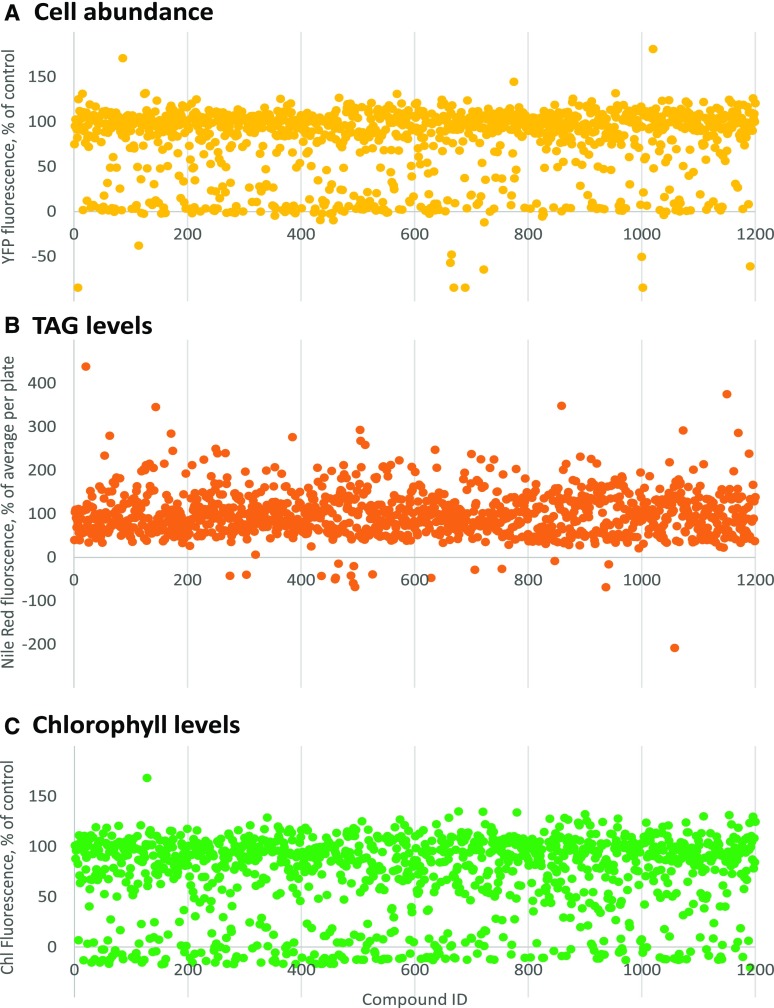
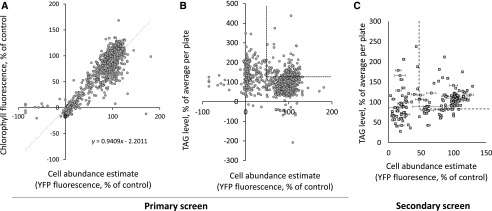
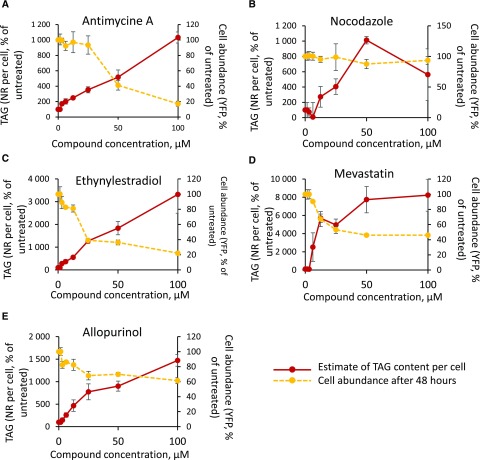
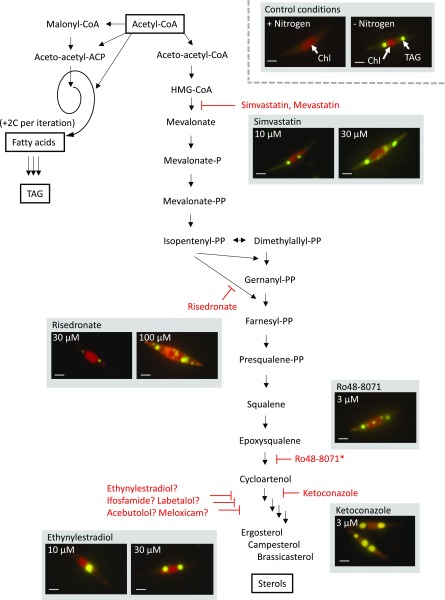
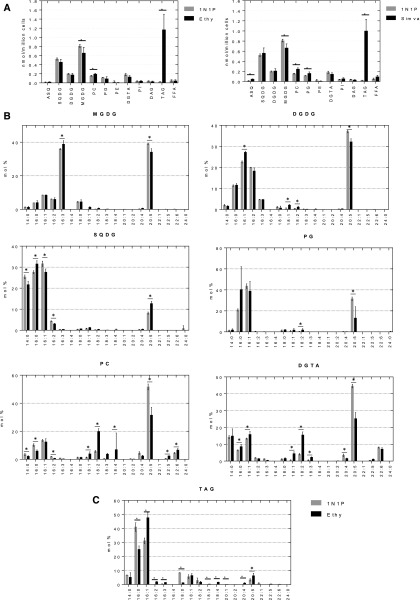
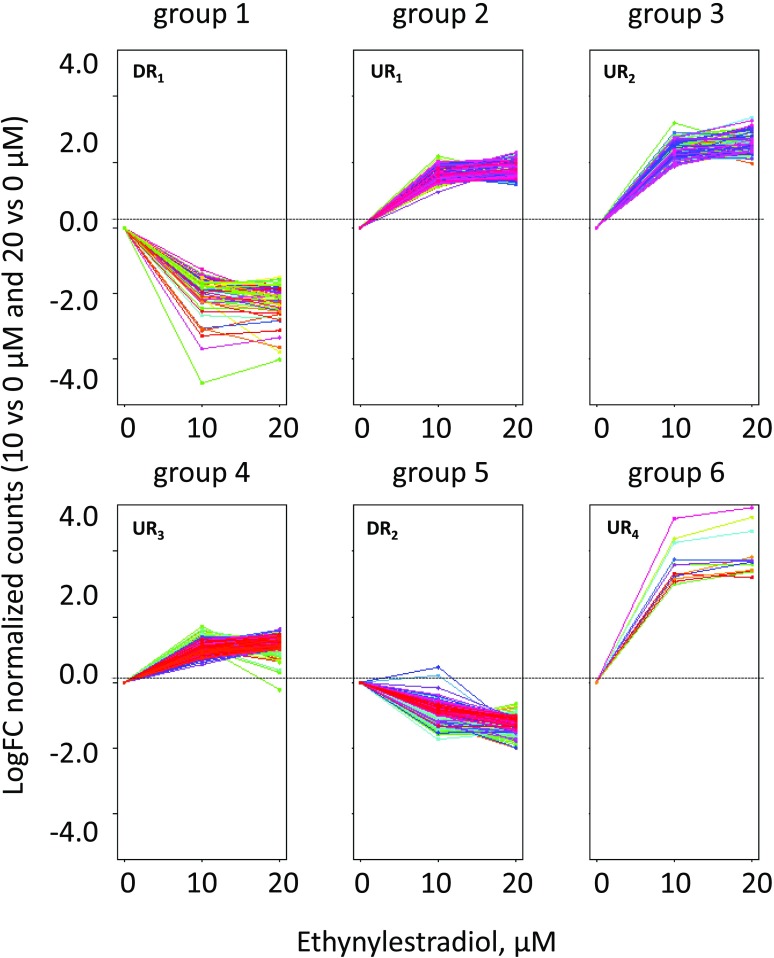
Microalgae are a promising feedstock for the production of triacylglycerol (TAG) for a variety of potential applications, ranging from food and human health to biofuels and green chemistry. However, obtaining high TAG yields is challenging. A phenotypic assay for the accumulation of oil droplets was developed to screen a library of 1,200 drugs, annotated with pharmacology information, to select compounds that trigger TAG accumulation in the diatom Phaeodactylum tricornutum Using this screen, we identified 34 molecules acting in a dose-dependent manner. Previously characterized targets of these compounds include cell division and cell signaling effectors, membrane receptors and transporters, and sterol metabolism. Among the five compounds possibly acting on sterol metabolism, we focused our study on ethynylestradiol, a synthetic form of estrogen that is used in contraceptive pills and known for its ecological impact as an endocrine disruptor. Ethynylestradiol impaired the production of very-long-chain polyunsaturated fatty acids, destabilized the galactolipid versus phospholipid balance, and triggered the recycling of fatty acids from membrane lipids to TAG. The P. tricornutum transcriptomic response to treatment with ethynylestradiol was consistent with the reallocation of carbon from sterols to acetyl-coenzyme A and TAG. The mode of action and catabolism of ethynylestradiol are unknown but might involve several up-regulated cytochrome P450 proteins. A fatty acid elongase, Δ6-ELO-B1, might be involved in the impairment of very-long-chain polyunsaturated fatty acids and fatty acid turnover. This phenotypic screen opens new perspectives for the exploration of novel bioactive molecules, potential target genes, and pathways controlling TAG biosynthesis. It also unraveled the sensitivity of diatoms to endocrine disruptors, highlighting an impact of anthropogenic pollution on phytoplankton.
© 2018 American Society of Plant Biologists. All Rights Reserved.
Figures
References
-
- Adeel M, Song X, Wang Y, Francis D, Yang Y (2017) Environmental impact of estrogens on human, animal and plant life: a critical review. Environ Int 99: 107–119 - PubMed
-
- Ajjawi I, Verruto J, Aqui M, Soriaga LB, Coppersmith J, Kwok K, Peach L, Orchard E, Kalb R, Xu W, et al. (2017) Lipid production in Nannochloropsis gaditana is doubled by decreasing expression of a single transcriptional regulator. Nat Biotechnol 35: 647–652 - PubMed
-
- Allorent G, Courtois F, Chevalier F, Lerbs-Mache S (2013) Plastid gene expression during chloroplast differentiation and dedifferentiation into non-photosynthetic plastids during seed formation. Plant Mol Biol 82: 59–70 - PubMed
Publication types
MeSH terms
Substances
LinkOut - more resources
Full Text Sources
Other Literature Sources
