


Superior efficacy of the antifungal agent ciclopirox olamine over gemcitabine in pancreatic cancer models
- PMID: 29535812
- PMCID: PMC5828195
- DOI: 10.18632/oncotarget.23164
Superior efficacy of the antifungal agent ciclopirox olamine over gemcitabine in pancreatic cancer models
Retraction in
-
Retraction: Superior efficacy of the antifungal agent ciclopirox olamine over gemcitabine in pancreatic cancer models.Oncotarget. 2024 Jul 10;15:461. doi: 10.18632/oncotarget.28601. Oncotarget. 2024. PMID: 38985135 Free PMC article. No abstract available.
Abstract
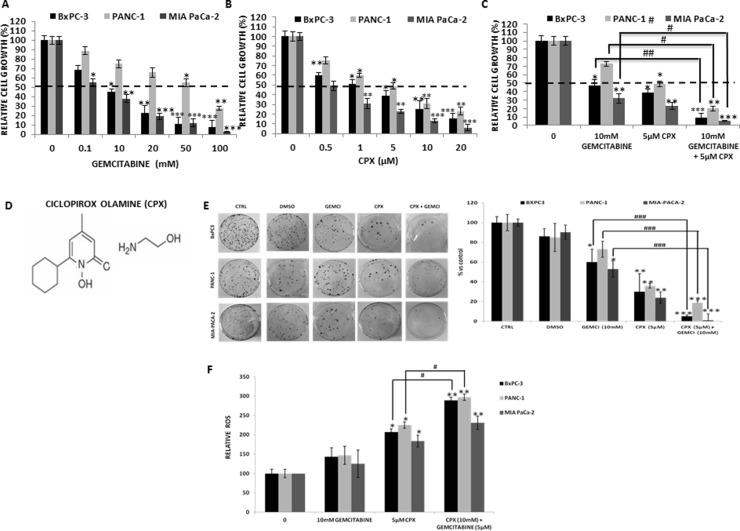
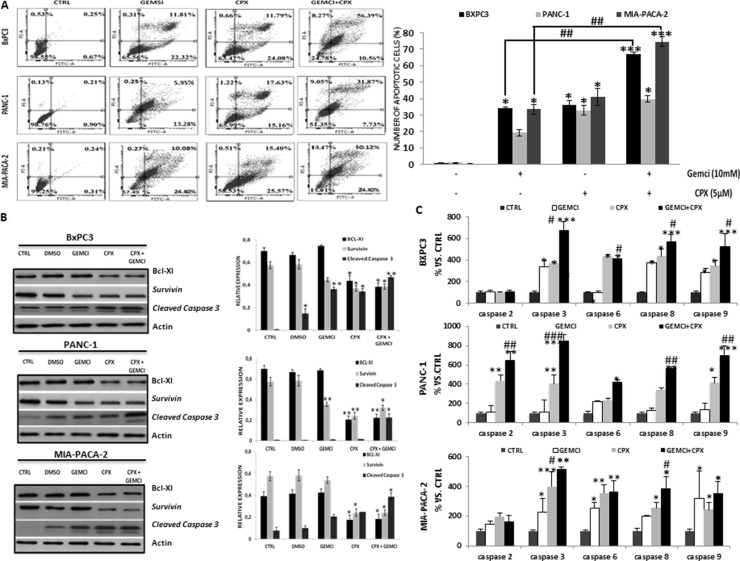
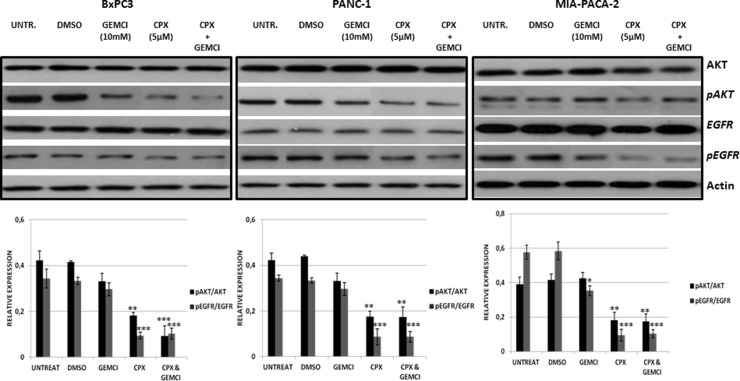
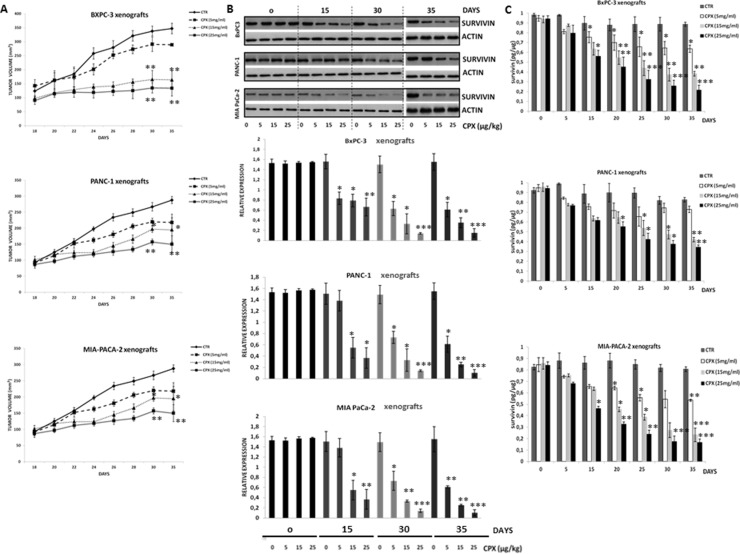
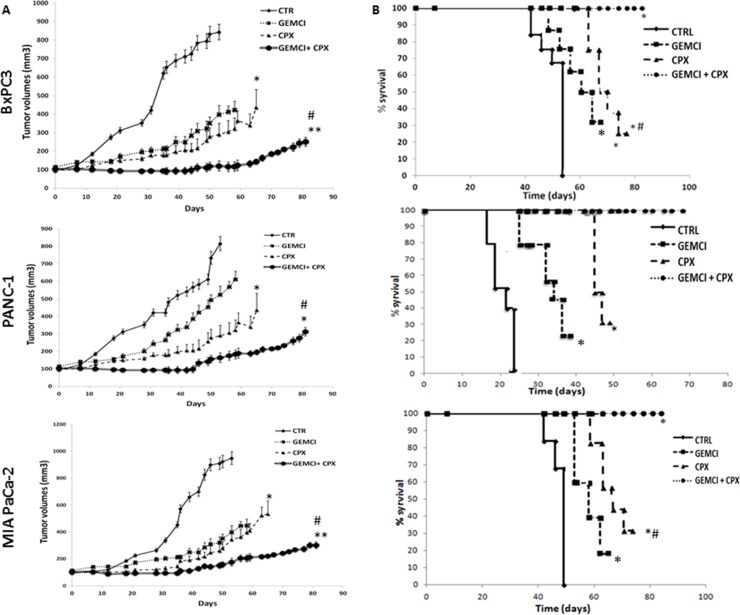
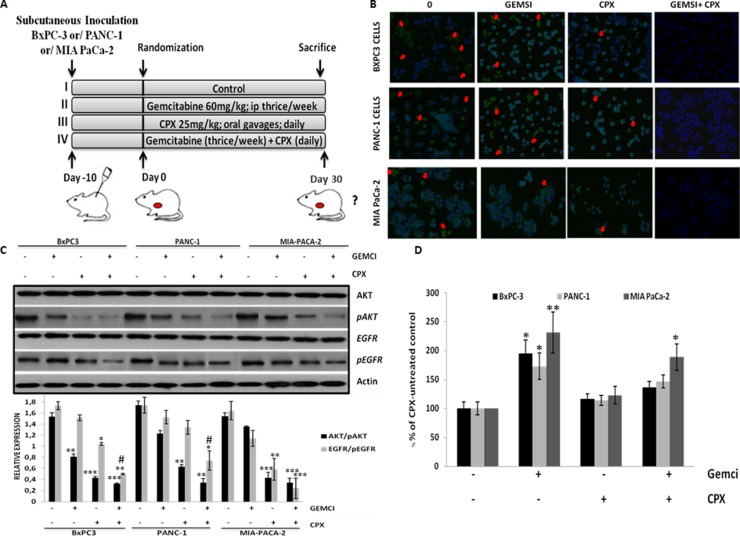
Ciclopirox olamine (CPX) is an antifungal agent that has recently demonstrated promising anti-neoplastic activity against hematologic and solid tumors. Here, we evaluated CPX compared with gemcitabine alone as well as their combination in human pancreatic cancer cell lines; BxPC-3, Panc-1, and MIA PaCa-2 and in humanized xenograft mouse models. We also examined the preclinical pharmacodynamic activity of CPX. CPX caused a pronounced decrease in cell proliferation and clonogenic growth potential. These inhibitory effects were accompanied by induction of reactive oxygen species (ROS), which were strongly associated with reduced Bcl-xL and survivin levels and activation of a panel of caspases, especially caspase-3, and finally resulted in apoptotic death. CPX-induced apoptosis was associated with reduced pEGFR (Y1068) and pAkt (Ser473) protein levels. Additionally, decreased proliferation was observed in CPX-treated xenografts tumors, demonstrating unique tumor regression and a profound survival benefit. Finally, we showed that CPX significantly abrogated gemcitabine-induced ROS levels in pancreatic tissues. These pre-clinical results have verified the superior antitumor efficacy of CPX over gemcitabine alone, while their combination is even more effective, providing the rationale for further clinical testing of CPX plus gemcitabine in pancreatic cancer patients.
Keywords: ciclopirox olamine; gemcitabine; human pancreatic tumor xenograft models; pancreatic cancer; pharmacodynamic activity.
Conflict of interest statement
CONFLICTS OF INTEREST The authors declare no potential conflicts of interest
Figures
References
-
- Siegel RL, Miller KD, Jemal A. Cancer statistics, 2017. CA: A Cancer Journal for Clinicians. 2017;67:7–30. - PubMed
-
- Adiseshaiah PP, Crist RM, Hook SS, McNeil SE. Nanomedicine strategies to overcome the pathophysiological barriers of pancreatic cancer. Nature Reviews Clinical Oncology. 2016;13:750–65. - PubMed
-
- Groot VP, van Santvoort HC, Rombouts SJE, Hagendoorn J, Borel Rinkes IHM, van Vulpen M, Herman JM, Wolfgang CL, Besselink MG, Molenaar IQ. Systematic review on the treatment of isolated local recurrence of pancreatic cancer after surgery; re-resection, chemoradiotherapy and SBRT. HPB (Oxford) 2017;19:83–92. - PubMed
-
- Davidson NE, Armstrong SA, Coussens LM, Cruz-Correa MR, DeBerardinis RJ, Doroshow JH, Foti M, Hwu P, Kensler TW, Morrow M, Mulligan CG, Pao W, Platz EA, et al. AACR Cancer Progress Report 2016. Clinical Cancer Research. American Association for Cancer Research. 2016;22:S1–S137. - PubMed
-
- Kamisawa T, Wood LD, Itoi T, Takaori K. Pancreatic cancer. The Lancet. 2016. pp. 73–85. - PubMed
Publication types
LinkOut - more resources
Full Text Sources
Other Literature Sources
Research Materials
