Physical Exercise Reduces Cytotoxicity and Up-Regulates Nrf2 and UPR Expression in Circulating Cells of Peripheral Artery Disease Patients: An Hypoxic Adaptation?
- PMID: 29540636
- PMCID: PMC6143780
- DOI: 10.5551/jat.42432
Physical Exercise Reduces Cytotoxicity and Up-Regulates Nrf2 and UPR Expression in Circulating Cells of Peripheral Artery Disease Patients: An Hypoxic Adaptation?
Abstract
Aim: Ischemia-reperfusion (I-R) produces reactive oxygen species (ROS) that damage cells and favour cytotoxicity and apoptosis in peripheral artery disease (PAD) patients. Since brief episodes of I-R (ischemic conditioning) protect cells against ischemic harms, we evaluated whether a short-course of supervised treadmill training, characterized by repeated episodes of I-R, makes peripheral blood mononuclear cells (PBMCs) from PAD patients with intermittent claudication more resistant to I-R injuries by reducing oxidative stress and by inducing an adaptative response of unfolded protein response (UPR) and nuclear factor-E2-related factor (Nrf2) pathway expression.
Methods: 24 PAD patients underwent 21 sessions of treadmill training and a treadmill test as indicator of acute response to I-R.
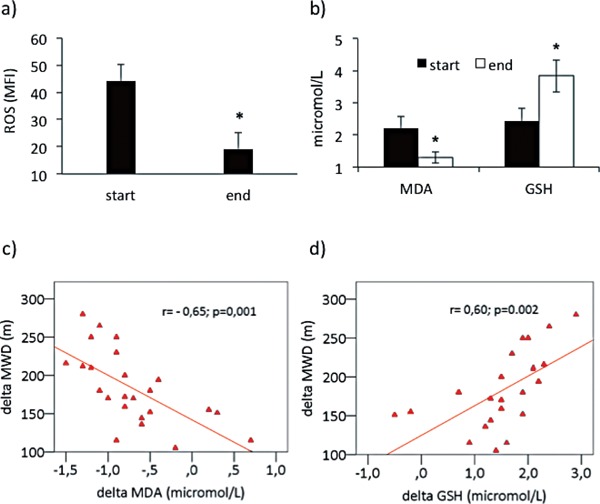
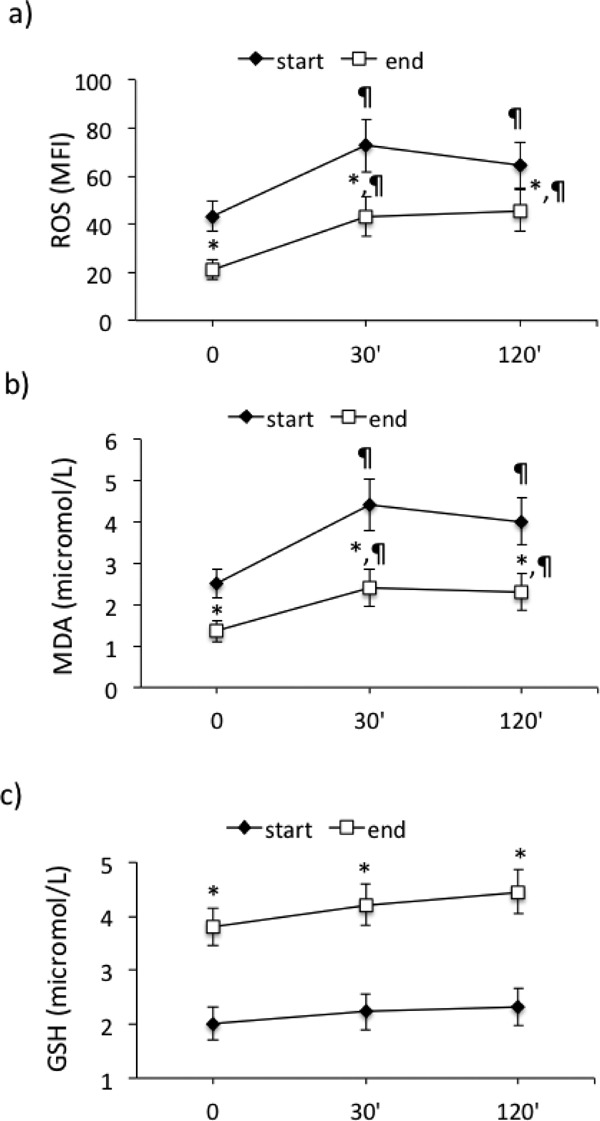
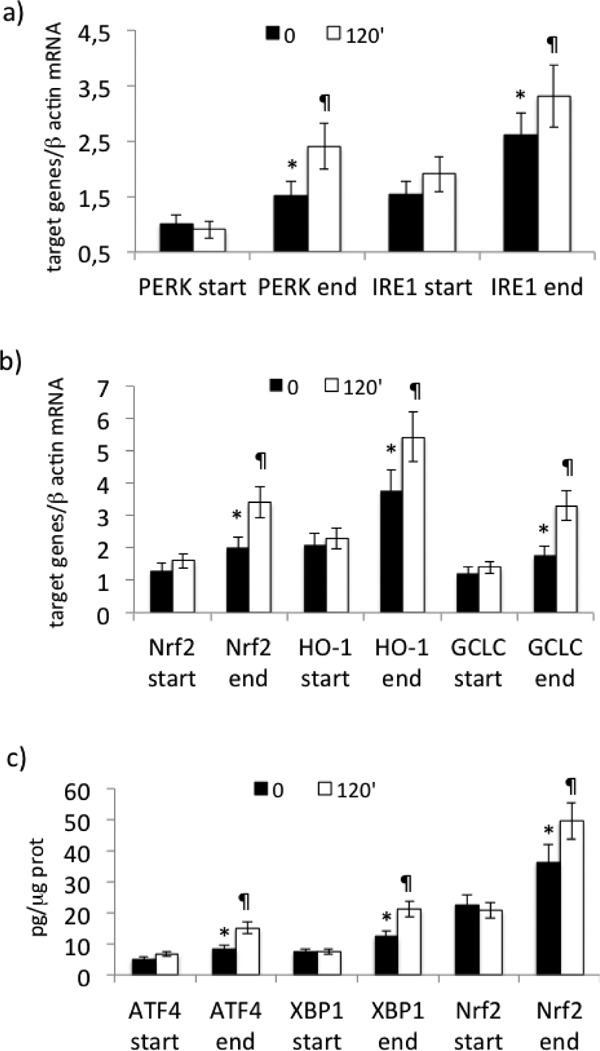
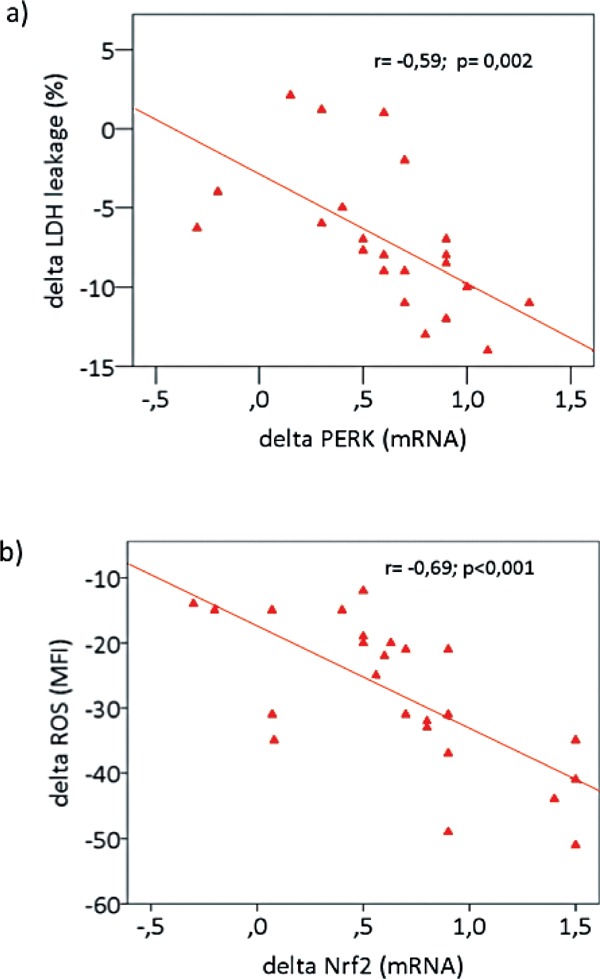
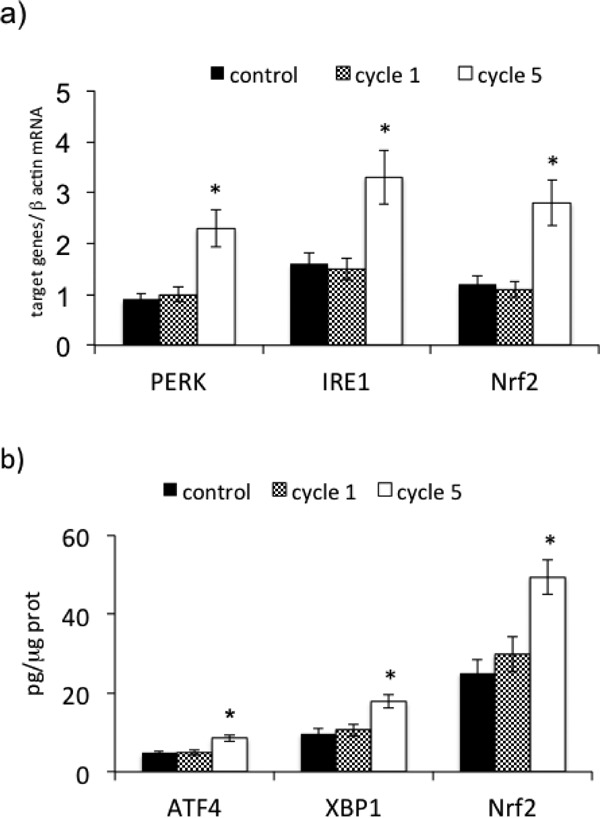
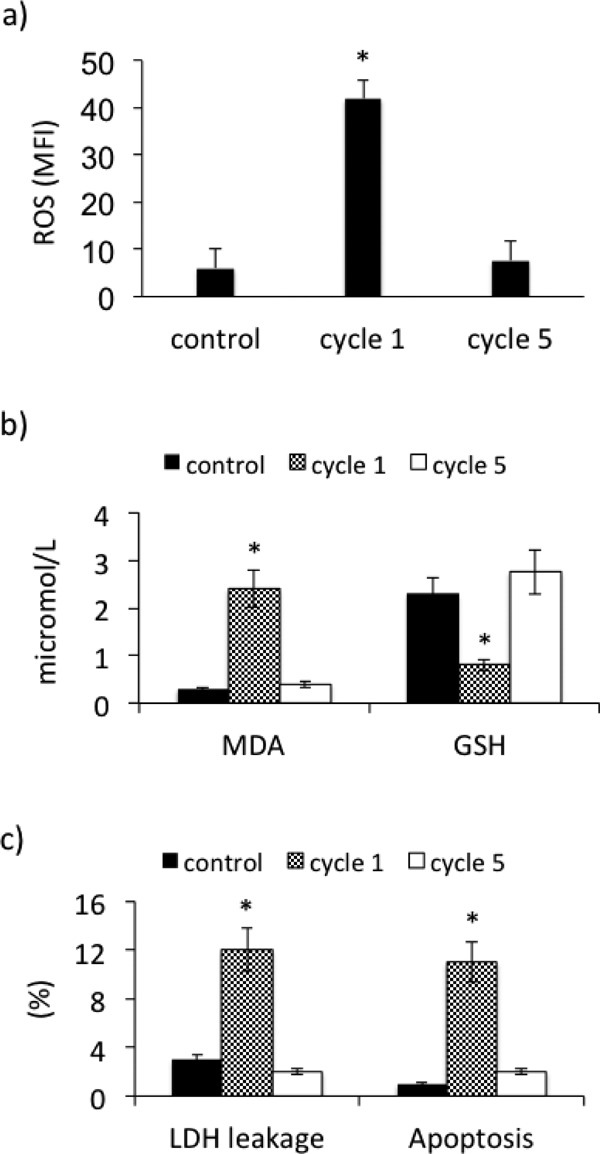
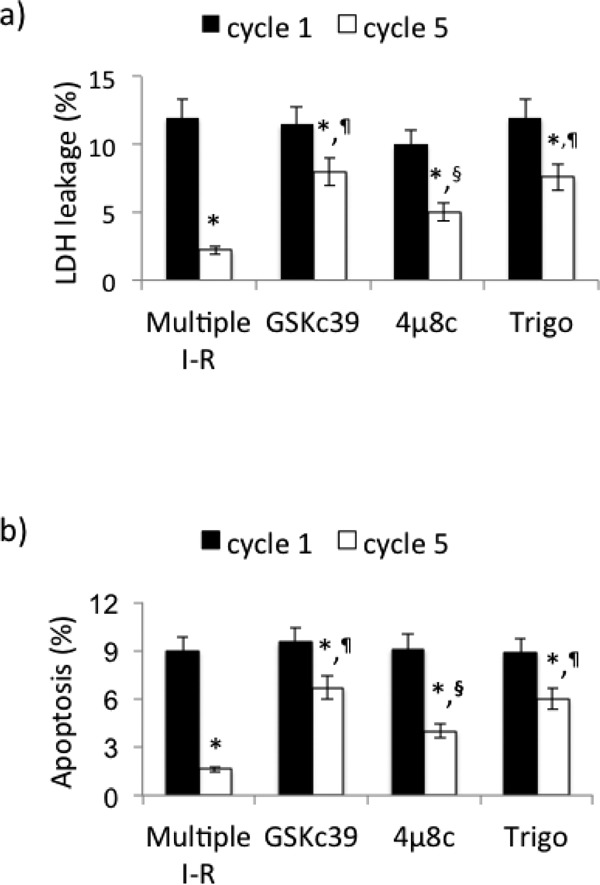
Results: Maximal and pain free walking distance improved (p<0.01), whereas LDH leakage and apoptosis of PBMCs decreased (p<0.01); plasma malondialdehyde and ROS generation in PBMCs declined, while plasma glutathione augmented (p<0.01). Moreover we demonstrated an up-regulation of UPR and Nrf2 expression in PBMCs (p<0.01). To understand whether treadmill training may act as a trigger of ischemic conditioning, we examined the effect of repeated episodes of I-R on adaptative response in PBMCs derived from the patients. We showed an up-regulation of UPR and Nrf2 gene expression (p<0.01), while oxidative stress and cytotoxicity, after an initial increase, declined (p<0.01). This positive effect on cytotoxicity was reduced after inhibition of UPR and Nrf2 pathways.
Conclusions: Treadmill training in PAD patients through UPR and Nrf2 up-regulation may trigger hypoxic adaptation similar to conditioning, thus modifying cell survival.
Keywords: Nrf2; Oxidative stress; PAD; UPR.
Conflict of interest statement
All authors declare that they have no conflict of interest or financial disclosures.
Figures

References
-
- Gillani S, Cao J, Suzuki T, Hak DJ: The effect of ischemia reperfusion injury on skeletal muscle, Injury, 2012; 43: 670-675 - PubMed
-
- Pipinos II, Swanson SA, Zhu Z, Nella AA, Weiss DJ, Gutti TL, McComb RD, Baxter BT, Lynch TG, Casale GP: Chronically ischemic mouse skeletal muscle exhibits myopathy in association with mitochondrial dysfunction and oxidative damage, Am J Physiol Regul Integr Comp Physiol, 2008; 295: R290-R296 - PMC - PubMed
-
- Pipinos II, Judge AR, Zhu Z, Selsby JT, Swanson SA, Johanning JM, Baxter BT, Lynch TG, Dodd SL: Mitochondrial defects and oxidative damage in patients with peripheral arterial disease, Free Radic Biol Med, 2006; 41: 262-269 - PubMed
-
- Pipinos II, Sharov VG, Shepard AD, Anagnostopoulos PV, Katsamouris A, Todor A, Filis KA, Sabbah HN: Abnormal mitochondrial respiration in skeletal muscle in patients with peripheral arterial disease, J Vasc Surg, 2003; 38: 827-832 - PubMed
MeSH terms
Substances
LinkOut - more resources
Full Text Sources
Other Literature Sources
Medical