


Streptococcus Intermedius Brain and Diverticular Abscesses After Dental Manipulation: A Case Report
- PMID: 29545984
- PMCID: PMC5849355
- DOI: 10.7759/cureus.2061
Streptococcus Intermedius Brain and Diverticular Abscesses After Dental Manipulation: A Case Report
Abstract
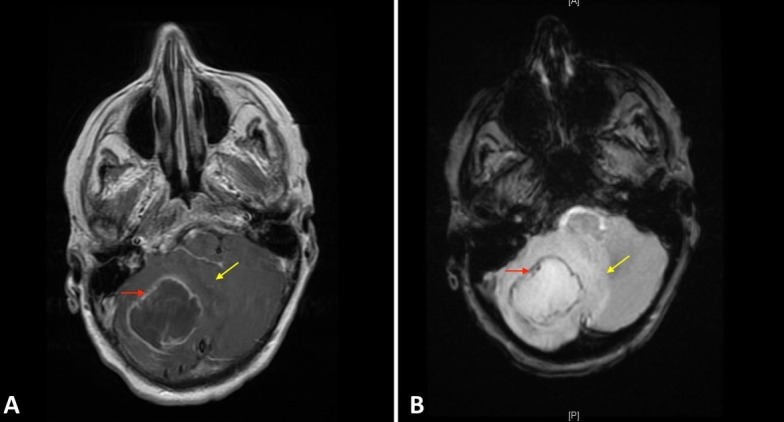
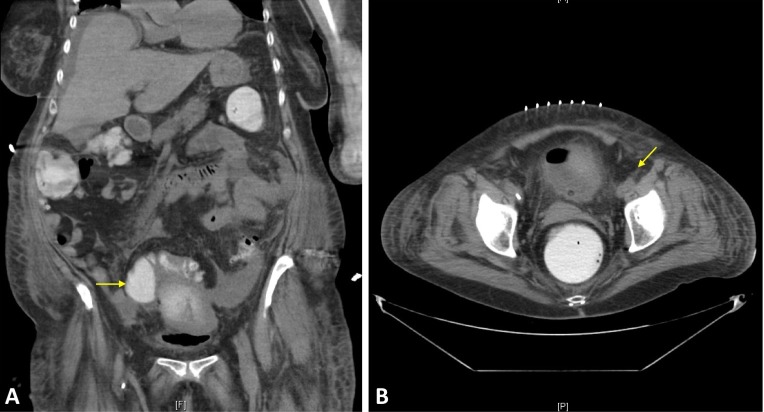
A brain abscess is defined as a focal intracerebral infection consisting of an encapsulated collection of pus, which can be a life-threatening complication of infections, trauma, or surgery. While immunocompromised patients can have a wide array of causative organisms, bacterial species represent the most common etiology in immunocompetent individuals. The incidence of brain abscesses ranges from 0.4 to 0.9 per 100,000, with a high predisposition among immunocompromised patients and in those with disruption of the blood-brain barrier. The most common causative organisms found were Streptococcus species, particularly S. viridians and S. pneumonia, Enterococcus, and Staphylococcus species, mainly S. aurieus and S. epidermidis. Microorganism can invade the brain through different mechanisms, either directly by contiguous spread and odontogenic infections, which usually cause a single brain abscess, or indirectly through hematogenous spread which can cause multiple brain abscesses. Both surgical and conservative dental procedures contribute to hematogenous spreading of oral microorganisms. Although most of those organisms are eliminated shortly after they gain access to the bloodstream, some can persist and contribute to the pathogenesis of abscesses in the appropriate environment. Odontogenic origins are rarely implicated in the formation of brain abscesses, and oral foci comprise approximately 5% of identified cases. We report a case of brain and diverticular abscesses due to S. intermidius occurring two months after dental extraction. This case highlights the fact that even usual dental workup can result in the development of bacteremia and disseminated abscesses including but not restricted to the brain. Consequently, in addition to identifying the possible source of bacteremia with an extensive history and physical exam, the diagnosis of Streptococcus milleri organisms should prompt the physicians to screen for sites of possible metastatic infection spread.
Keywords: brain abscess; diverticular abscess; streptococcus intermedius.
Conflict of interest statement
The authors have declared that no competing interests exist.
Figures
References
-
- Phenotypic differentiation of Streptococcus intermedius, Streptococcus constellatus, and Streptococcus anginosus strains within the "Streptococcus milleri group". Whiley RA, Fraser H, Hardie JM, et al. http://jcm.asm.org/content/28/7/1497.full.pdf. J Clin Microbiol. 1990;28:1497–1501. - PMC - PubMed
-
- Cancer statistics, 2014. Siegel R, Ma J, Zou Z, et al. CA Cancer J Clin. 2014;64:9–29. - PubMed
-
- Diagnosis and management of brain abscess and subdural empyema. Bernardini GL. Curr Neurol Neurosci Rep. 2004;4:448–456. - PubMed
-
- The role of Streptococcus intermedius in brain abscess. Mishra AK, Fournier PE. Eur J Clin Microbiol Infect Dis. 2013;32:477–483. - PubMed
Publication types
LinkOut - more resources
Full Text Sources
Other Literature Sources