


CC16 levels correlate with cigarette smoke exposure in bronchial epithelial cells and with lung function decline in smokers
- PMID: 29548305
- PMCID: PMC5857103
- DOI: 10.1186/s12890-018-0607-7
CC16 levels correlate with cigarette smoke exposure in bronchial epithelial cells and with lung function decline in smokers
Abstract
Background: Club cell protein-16 (CC16) expression has been associated with smoking-related lung function decline. The study hypothesis was that CC16 expression in both serum and bronchial epithelium is associated with lung function decline in smokers, and exposure to cigarette smoke will lead to reduction in CC16 expression in bronchial epithelial cells.
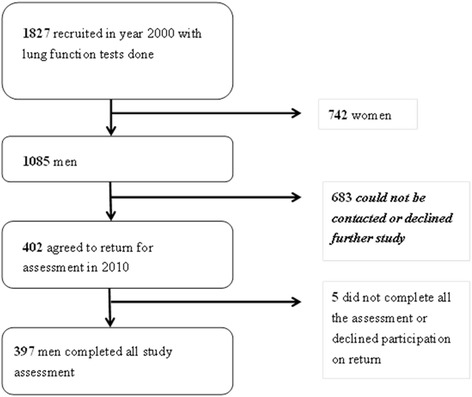
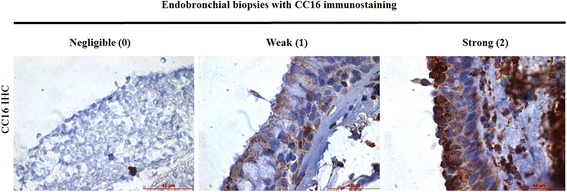
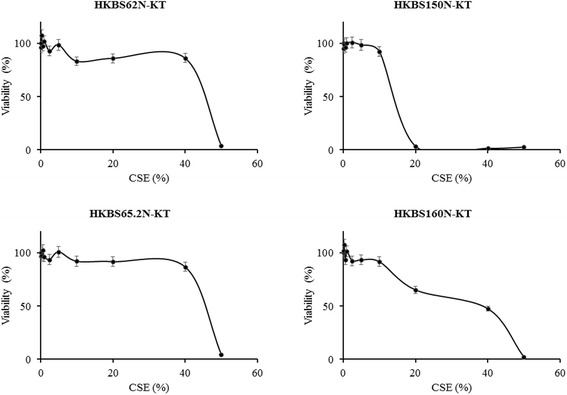
Methods: In a cohort of community-based male Chinese subjects recruited for lung function test in 2000, we reassessed their lung function ten years later and measured serum levels of CC16. CC16 expression was further assayed in bronchial epithelium from endobronchial biopsies taken from an independent cohort of subjects undergoing autofluorescence bronchoscopy, and tested for correlation between CC16 immunostaining intensity and lung function. In an in-vitro model, bronchial epithelial cells were exposed to cigarette smoke extract (CSE), and the expression levels of CC16 were measured in bronchial epithelial cells before and after exposure to CSE.
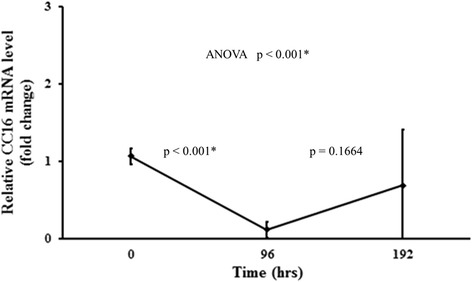
Results: There was a significant association between FEV1 decline and serum CC16 levels in smokers. Expression of CC16 in bronchial epithelium showed significant correlation with FEV1/FVC. Bronchial epithelial cells showed significant decrease in CC16 expression after exposure to CSE, followed by a subsequent rise in CC16 expression upon removal of CSE.
Conclusions: Results of these clinical and laboratory investigations suggested that low serum CC16 was associated with smoking-related decline in lung function, demonstrated the first time in a Chinese cohort. The data also lend support to the putative role of CC16 in protection against smoking-related bronchial epithelial damage. (Abstract word count: 243) US CLINICAL TRIAL REGISTRY: NCT01185652 , first posted 20 August, 2010.
Keywords: Biomarkers; Forced expiratory volume; Lung function; Smoking; Spirometry.
Conflict of interest statement
Ethics approval and consent to participate
The study was approved by Institutional Review Board of the University of Hong Kong/Hong Kong Hospital Authority Hong Kong West Cluster (HKHA HKWC 08–428 and 09–120) and the research was carried out in accordance with the Declaration of Helsinki (2008). Informed written consents were obtained from all participating subjects.
Consent for publication
Not applicable.
Competing interests
The authors declare that they have no competing interest.
Publisher’s Note
Springer Nature remains neutral with regard to jurisdictional claims in published maps and institutional affiliations.
Figures
References
-
- Global Strategy for the Diagnosis . Management and prevention of COPD, global initiative for chronic obstructive lung disease (GOLD) 2016. 2016. - PubMed
-
- Celli BR, Locantore N, Yates J, Tal-Singer R, Miller BE, Bakke P, Calverley P, Coxson H, Crim C, Edwards LD, et al. Inflammatory biomarkers improve clinical prediction of mortality in chronic obstructive pulmonary disease. Am J Respir Crit Care Med. 2012;185(10):1065–1072. doi: 10.1164/rccm.201110-1792OC. - DOI - PubMed
Publication types
MeSH terms
Substances
Associated data
Grants and funding
LinkOut - more resources
Full Text Sources
Other Literature Sources
Medical
Miscellaneous
