


Trazodone for Insomnia: A Systematic Review
- PMID: 29552421
- PMCID: PMC5842888
Trazodone for Insomnia: A Systematic Review
Abstract
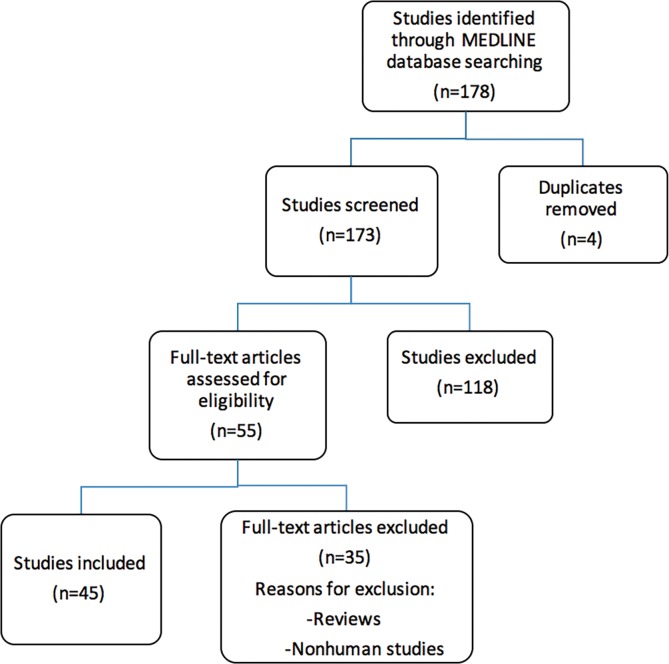
OBJECTIVE: While trazodone is approved for the treatment of depression, the off-label use of this medication for insomnia has surpassed its usage as an antidepressant. In this systematic review, we examined the evidence for the efficacy and safety of trazodone for insomnia. METHODS: A literature search was conducted using MEDLINE/PubMed databases from the past 33 years (1983-2016) and the keywords insomnia, trazodone, sedative, treatment, and hypnotics. The results were restricted to English language and human subjects. All randomized clinical trials, meta-analyses, observational studies, and placebo-controlled trials regarding trazodone for the treatment of primary or secondary insomnia were reported, per PRISMA (Preferred Reporting Items for Systematic Reviews and Meta-Analyses) guidelines. The study selection process yielded a total of 45 studies. RESULTS: Evidence for the efficacy of trazodone has been repeatedly demonstrated for primary insomnia, as well as secondary insomnia, including for symptoms that are a result of depression, dementia, and being a healthy man. Earlier studies (1980-2000) focused on utilizing trazodone at high doses (≥100mg/d) for the treatment of insomnia among the depressed population; however, since the 2000s, the utility of trazodone has been expanded to treat secondary insomnia among the non-depressed population as well. The side effects are dose-dependent, and the most common is drowsiness. CONCLUSION: A review of the literature suggests that there are adequate data supporting the efficacy and general safety of the low-dose use of trazodone for the treatment of insomnia.
Keywords: hypnotics; insomnia; sedative; trazodone; treatment.
Conflict of interest statement
FUNDING:This manuscript encompasses the analyses of the authors associated with the Department of Psychiatry and Behavioral Neurosciences at Cedars-Sinai Medical Center. ACKNOWLEDGEMENTS:Data used in the preparation of this article were obtained from MEDLINE/PubMed databases. The primary purpose of this research study was to determine the efficacy and safety of trazodone in the treatment of insomnia.
Figures
References
-
- Ancoli-Israel S, Roth T. Characteristics of insomnia in the United States: results of the 1991 National Sleep Foundation Survey. I. Sleep. 1999;22(Suppl 2):S347–353. - PubMed
-
- American Psychiatric Association. Diagnostic and Statistical Manual of Mental Disorders. 5th ed. Arlington, VA: American Psychiatric Pub; 2013.
-
- Edinger JD, Bonnet MH, Bootzin RR, et al. Derivation of research diagnostic criteria for insomnia: report of an American Academy of Sleep Medicine Work Group. Sleep. 2004;27(8):1567–1596. - PubMed
-
- American Academy of Sleep Medicine. International Classification of Sleep Disorders: Diagnostic and Coding Manual. 2nd ed. Westchester: American Academy of Sleep Medicine; 2005.
-
- American Academy of Sleep Medicine. International Classification of Sleep Disorders. Diagnostic and Coding Manual. 3rd ed. Westchester: American Academy of Sleep Medicine; 2014.
Publication types
LinkOut - more resources
Full Text Sources
Other Literature Sources
Miscellaneous