


The Complex Interplay between Chronic Inflammation, the Microbiome, and Cancer: Understanding Disease Progression and What We Can Do to Prevent It
- PMID: 29558443
- PMCID: PMC5876658
- DOI: 10.3390/cancers10030083
The Complex Interplay between Chronic Inflammation, the Microbiome, and Cancer: Understanding Disease Progression and What We Can Do to Prevent It
Abstract
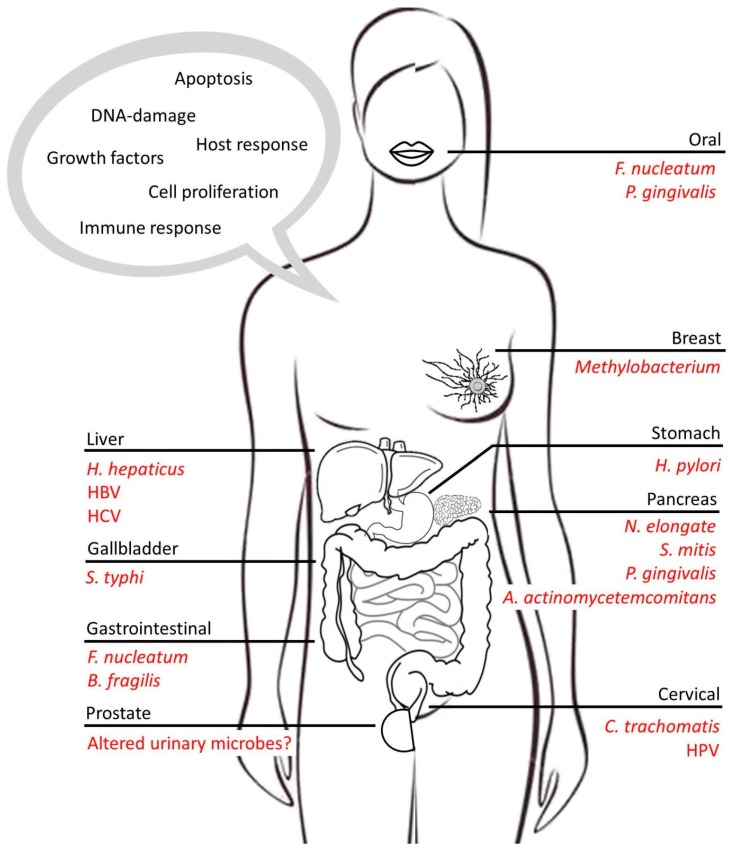
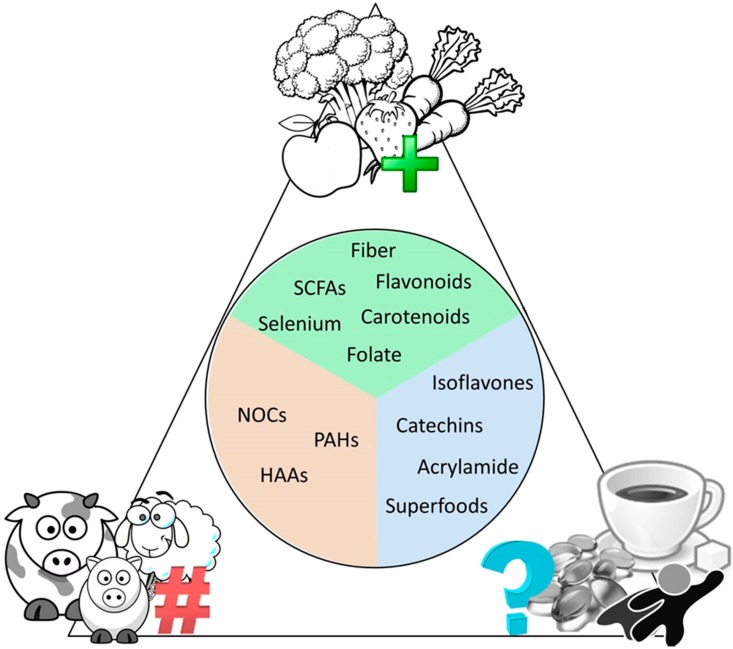
Cancer is a multifaceted condition, in which a senescent cell begins dividing in an irregular manner due to various factors such as DNA damage, growth factors and inflammation. Inflammation is not typically discussed as carcinogenic; however, a significant percentage of cancers arise from chronic microbial infections and damage brought on by chronic inflammation. A hallmark cancer-inducing microbe is Helicobacter pylori and its causation of peptic ulcers and potentially gastric cancer. This review discusses the recent developments in understanding microbes in health and disease and their potential role in the progression of cancer. To date, microbes can be linked to almost every cancer, including colon, pancreatic, gastric, and even prostate. We discuss the known mechanisms by which these microbes can induce cancer growth and development and how inflammatory cells may contribute to cancer progression. We also discuss new treatments that target the chronic inflammatory conditions and their associated cancers, and the impact microbes have on treatment success. Finally, we examine common dietary misconceptions in relation to microbes and cancer and how to avoid getting caught up in the misinterpretation and over inflation of the results.
Keywords: cancer; diet; inflammation; microbiota.
Conflict of interest statement
The authors have no conflicts of interest directly related to this research.
Figures
References
Publication types
LinkOut - more resources
Full Text Sources
Other Literature Sources
