


Circulating tumor cell isolation, culture, and downstream molecular analysis
- PMID: 29559380
- PMCID: PMC5971144
- DOI: 10.1016/j.biotechadv.2018.03.007
Circulating tumor cell isolation, culture, and downstream molecular analysis
Abstract
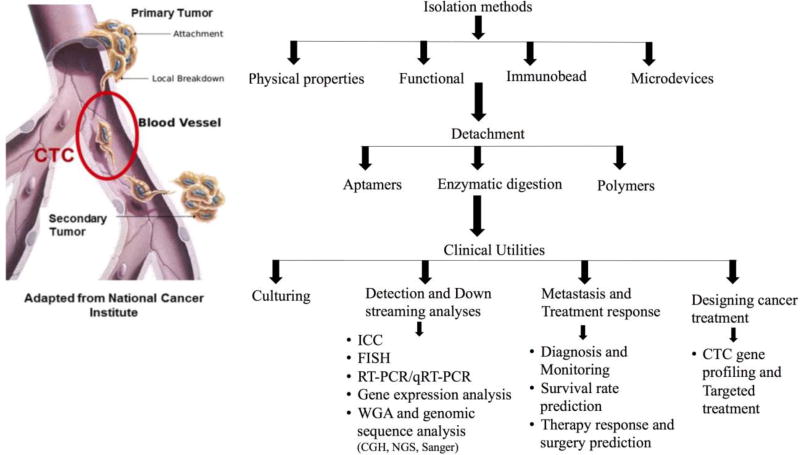
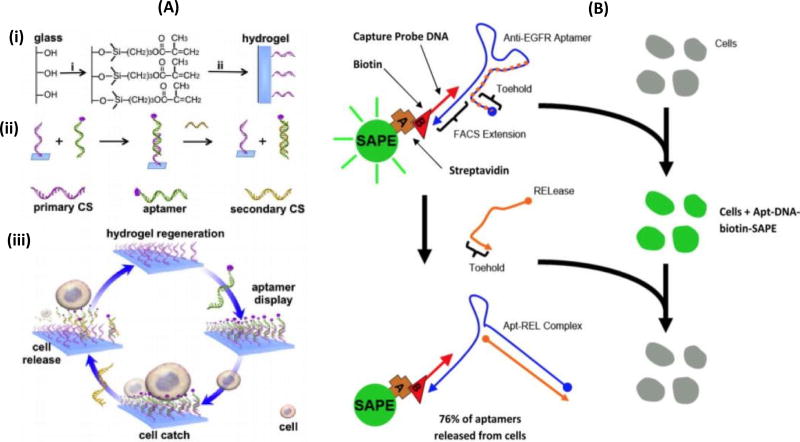
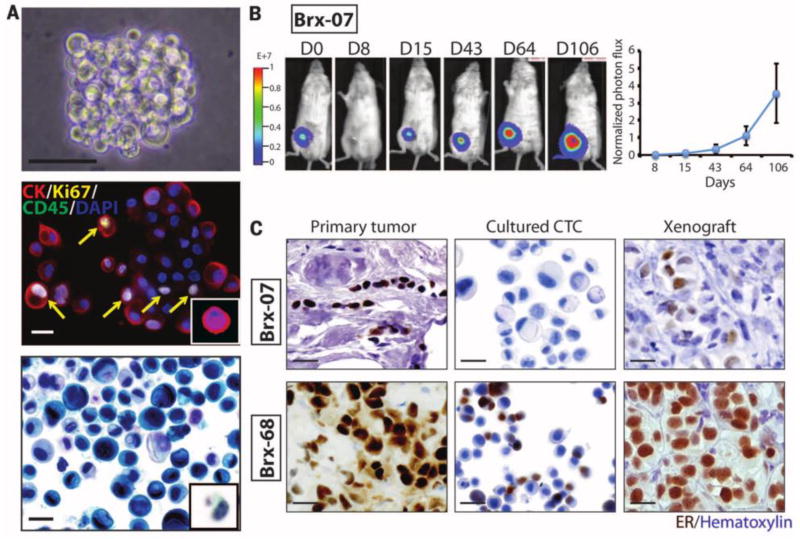
Circulating tumor cells (CTCs) are a major contributor of cancer metastases and hold a promising prognostic significance in cancer detection. Performing functional and molecular characterization of CTCs provides an in-depth knowledge about this lethal disease. Researchers are making efforts to design devices and develop assays for enumeration of CTCs with a high capture and detection efficiency from whole blood of cancer patients. The existing and on-going research on CTC isolation methods has revealed cell characteristics which are helpful in cancer monitoring and designing of targeted cancer treatments. In this review paper, a brief summary of existing CTC isolation methods is presented. We also discuss methods of detaching CTC from functionalized surfaces (functional assays/devices) and their further use for ex-vivo culturing that aid in studies regarding molecular properties that encourage metastatic seeding. In the clinical applications section, we discuss a number of cases that CTCs can play a key role for monitoring metastases, drug treatment response, and heterogeneity profiling regarding biomarkers and gene expression studies that bring treatment design further towards personalized medicine.
Keywords: Cell enrichment; Circulating tumor cells (CTCs); Liquid biopsy; Personalized therapies; Point of care.
Copyright © 2018 Elsevier Inc. All rights reserved.
Conflict of interest statement
The authors declare no conflict of interests.
Figures
References
-
- Adams AA, Okagbare PI, Feng J, Hupert ML, Patterson D, Gottert J, McCarley RL, Nikitopoulos D, Murphy MC, Soper SA. Highly efficient circulating tumor cell isolation from whole blood and label-free enumeration using polymer-based microfluidics with an integrated conductivity sensor. Journal of the American Chemical Society. 2008;130(27):8633–8641. - PMC - PubMed
-
- Albuquerque MLC, Waters CM, Savla U, Schnaper HW, Flozak AS. Shear stress enhances human endothelial cell wound closure in vitro. American Journal of Physiology-Heart and Circulatory Physiology. 2000;279(1):H293–H302. - PubMed
-
- Alix-Panabières C. EPISPOT assay: detection of viable DTCs/CTCs in solid tumor patients, Minimal Residual Disease and Circulating Tumor Cells in Breast Cancer. Springer; 2012. pp. 69–76. - PubMed
-
- Alix-Panabières C, Pantel K. Circulating tumor cells: liquid biopsy of cancer. Clinical chemistry. 2013;59(1):110–118. - PubMed
Publication types
MeSH terms
Grants and funding
LinkOut - more resources
Full Text Sources
Other Literature Sources
