


Nutritional composition and antinutritional properties of maize ogi cofermented with pigeon pea
- PMID: 29564110
- PMCID: PMC5849929
- DOI: 10.1002/fsn3.571
Nutritional composition and antinutritional properties of maize ogi cofermented with pigeon pea
Abstract
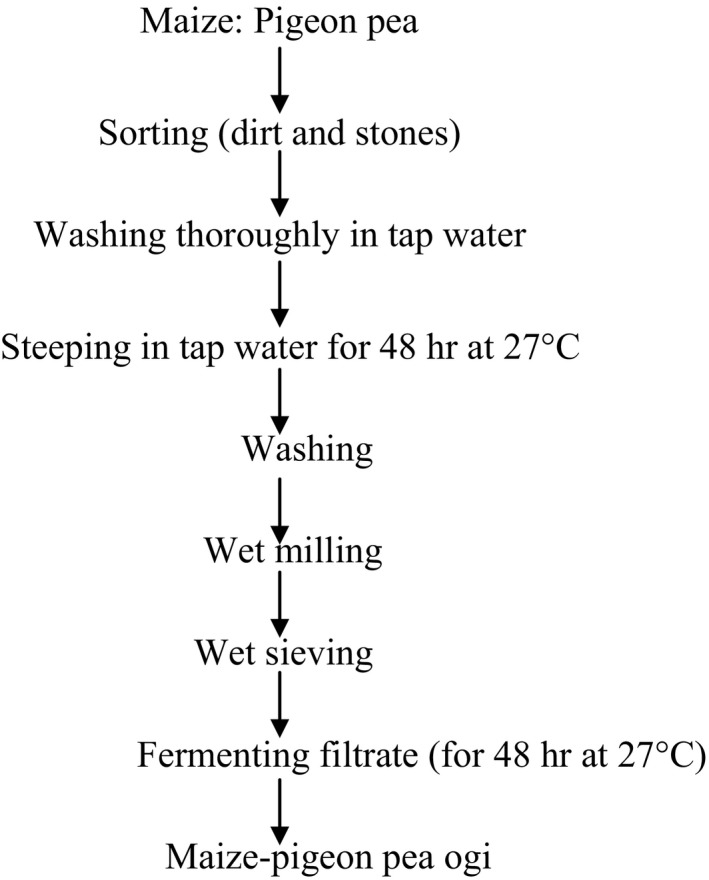
Maize was cofermented with pigeon pea for ogi production and evaluated for nutritional (proximate composition, minerals, vitamins, and amino acid profile analyses) and antinutritional (phytate, tannin, and trypsin inhibitor activity analyses) qualities. White maize and pigeon pea were mixed at ratios of 90:10, 80:20, 70:30, 60:40, and 50:50, respectively, with 100:0 serving as the control. Mixtures were cofermented for 96 hr at 27°C ± 2°C and nutritional, mineral, and antinutritional qualities were analyzed using analysis of variance. Results of proximate analysis showed that the values were significantly difference at p ≤ .05. Maize cofermented with pigeon pea at a ratio of 60:40 had the highest protein (22.79 mg/100 g), fat (19.27 mg/100 g), ash (2.98 mg/100 g), crude fiber (0.73 mg/100 g), and lowest moisture (1.98 mg/100 g) content, and was significantly (p ≤ .05) different from the other ratios. Of all the mixtures analyzed, 60:40 was significantly (p ≤ .05) different and had the highest Vitamin B1, B2, and B3 contents. Amino acid profile results showed that maize cofermented with pigeon pea at a ratio of 60:40 showed the highest contents of lysine (93.95 mg/g), tryptophan (20.38 mg/g), isoleucine (54.78 mg/g), phenylalanine (86.23 mg/g), leucine (109.55 mg/g), and valine (68.29 mg/g), respectively, and was significantly (p ≤ .05) different from the other ratios. Results of antinutritional analysis showed low phytate, tannin, and trypsin inhibitor values in maize cofermented with pigeon pea at a ratio of 60:40 when compared with other ratios. The cofermented maize-pigeon pea product 60:40 had high amino acid profile than the others.
Keywords: antinutritional; maize; nutritional; ogi; pigeon pea.
Figures
References
-
- Adeleke, A. O. , & Oyewole, O. B. (2010). Production of ogi from germinated sorghum supplemented with soybeans. Africa Journal of Biotechnology, 9(42), 7114–7121.
-
- Adeyemi, I. A. , & Soluade, E. O. (1993). Development and quality evaluation of pawpaw‐ogi. Plant Foods Human Nutrition, 44(3) , 213–220. https://doi.org/10.1007/BF01088315 - DOI - PubMed
-
- Adeyeye, E. I. , & Fagbohun, E. D. (2005). Proximate, mineral and phytate profile of some selected spices found in Nigeria. Pakistan Journal of Scientific and Industrial Research, 48(1), 14.
-
- Adeyeye, E. I. , & Faleye, F. J. (2004). Mineral components for health from animal sources. Pakistan Journal of Scientific and Industrial Research, 47, 471–477.
-
- Agunbiade, J. A. , Bello, R. A. , & Adeyemi, O. A. (2002). Performance characteristics of weaner rabbits on cassava peel‐based balanced diets. Nigerian Journal for Animal Production, 29(1), 171–175.
LinkOut - more resources
Full Text Sources
Other Literature Sources
Research Materials
Miscellaneous
