


Oscillatory motor patterning is impaired in neurofibromatosis type 1: a behavioural, EEG and fMRI study
- PMID: 29566645
- PMCID: PMC5863896
- DOI: 10.1186/s11689-018-9230-4
Oscillatory motor patterning is impaired in neurofibromatosis type 1: a behavioural, EEG and fMRI study
Abstract
Background: Neurofibromatosis type1 (NF1) is associated with a broad range of behavioural deficits, and an imbalance between excitatory and inhibitory neurotransmission has been postulated in this disorder. Inhibition is involved in the control of frequency and stability of motor rhythms. Therefore, we aimed to explore the link between behavioural motor control, brain rhythms and brain activity, as assessed by EEG and fMRI in NF1.
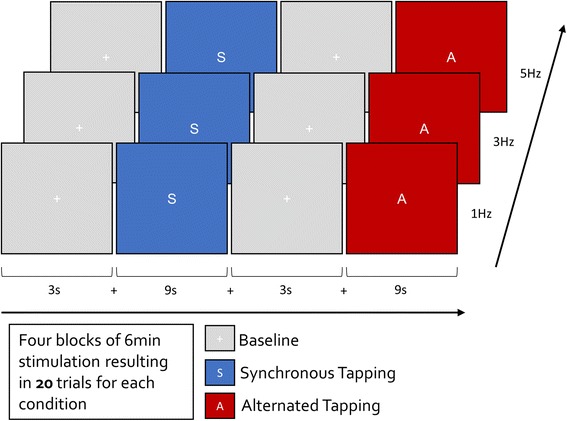
Methods: We studied a cohort of 21 participants with NF1 and 20 age- and gender-matched healthy controls, with a finger-tapping task requiring pacing at distinct frequencies during EEG and fMRI scans.
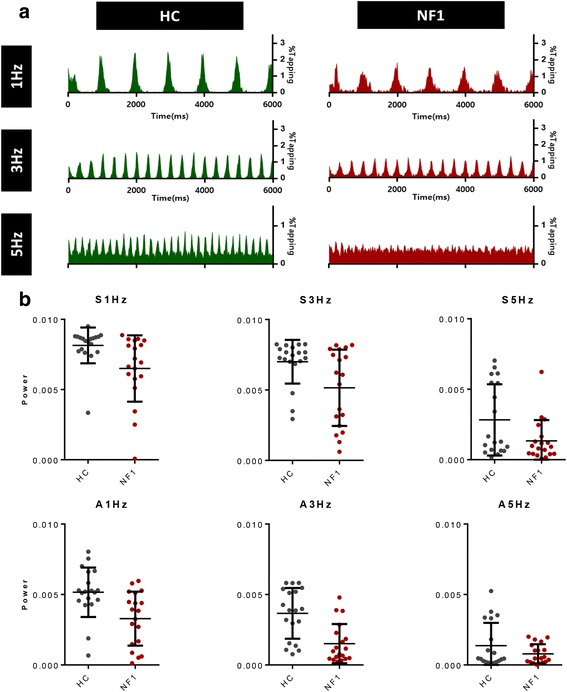
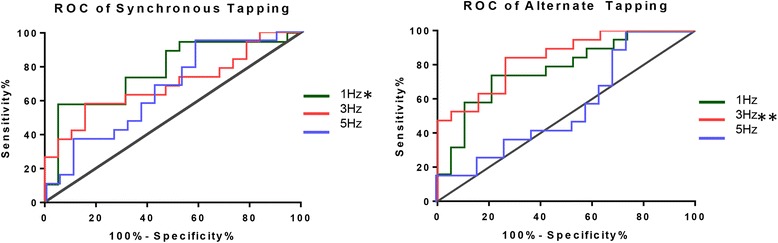
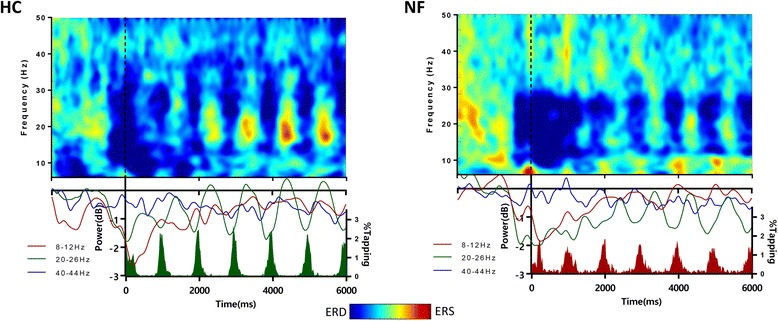
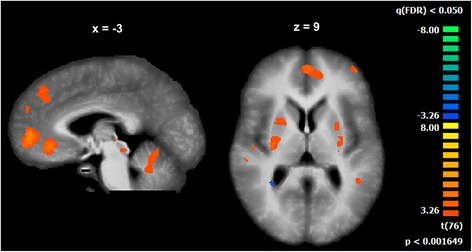
Results: We found that task performance was significantly different between NF1 and controls, the latter showing higher tapping time precision. The time-frequency patterns at the beta sub-band (20-26 Hz) mirrored the behavioural modulations, with similar cyclic synchronization/desynchronization patterns for both groups. fMRI results showed a higher recruitment of the extrapyramidal motor system (putamen, cerebellum and red nucleus) in the control group during the fastest pacing condition.
Conclusions: The present study demonstrated impaired precision in rhythmic pacing behaviour in NF1 as compared with controls. We found a decreased recruitment of the cerebellum, a structure where inhibitory interneurons are essential regulators of rhythmic synchronization, and in deep brain regions pivotally involved in motor pacing. Our findings shed light into the neural underpinnings of motor timing deficits in NF1.
Keywords: EEG; Inhibition; Motor coordination; Neurofibromatosis type 1; fMRI.
Conflict of interest statement
Ethics approval and consent to participate
The study was approved by the Ethics Committee of the Faculty of Medicine of the University of Coimbra, and informed consent was obtained for each participant.
Consent for publication
Not applicable
Competing interests
The authors declare that they have no competing interests.
Publisher’s Note
Springer Nature remains neutral with regard to jurisdictional claims in published maps and institutional affiliations.
Figures
References
-
- Gutmann DH, Ferner RE, Listernick RH, Korf BR, Wolters PL, Johnson KJ. Neurofibromatosis type 1. Nat Rev. 2017;3:1–18. - PubMed
Publication types
MeSH terms
Grants and funding
- H2020-STIPED Project number: 731827/Horizon 2020 Framework Programme/International
- Flad Life Sciences ED 2/Fundação Luso-Americana para o Desenvolvimento/International
- BIGDATIMAGE, CENTRO-01-0145-FEDER-000016/European Commission/International
- COMPETE, POCI-01-0145-FEDER-007440, FCT. UID/NEU/04539/2013- 2020, PAC - MEDPERSYST, POCI-01-0145-FEDER-016428/Fundação para a Ciência e a Tecnologia/International
LinkOut - more resources
Full Text Sources
Other Literature Sources
Research Materials
Miscellaneous
