


Rhizosphere Microbiome Modulators: Contributions of Nitrogen Fixing Bacteria towards Sustainable Agriculture
- PMID: 29570619
- PMCID: PMC5923616
- DOI: 10.3390/ijerph15040574
Rhizosphere Microbiome Modulators: Contributions of Nitrogen Fixing Bacteria towards Sustainable Agriculture
Abstract
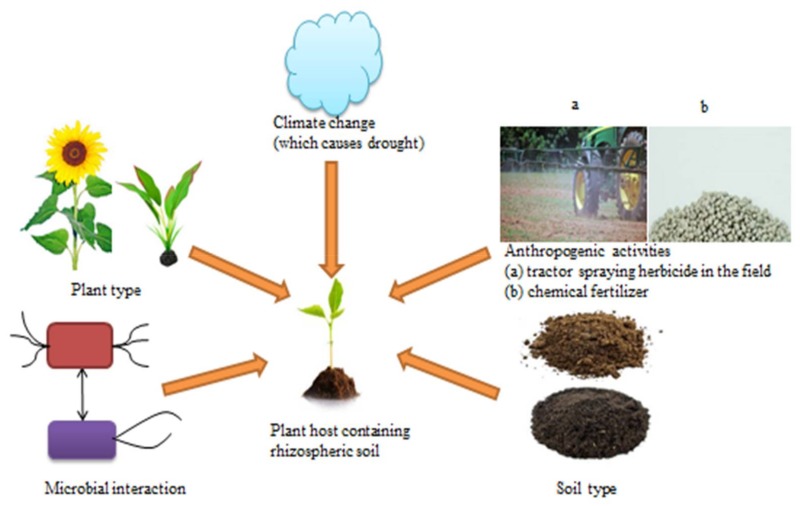
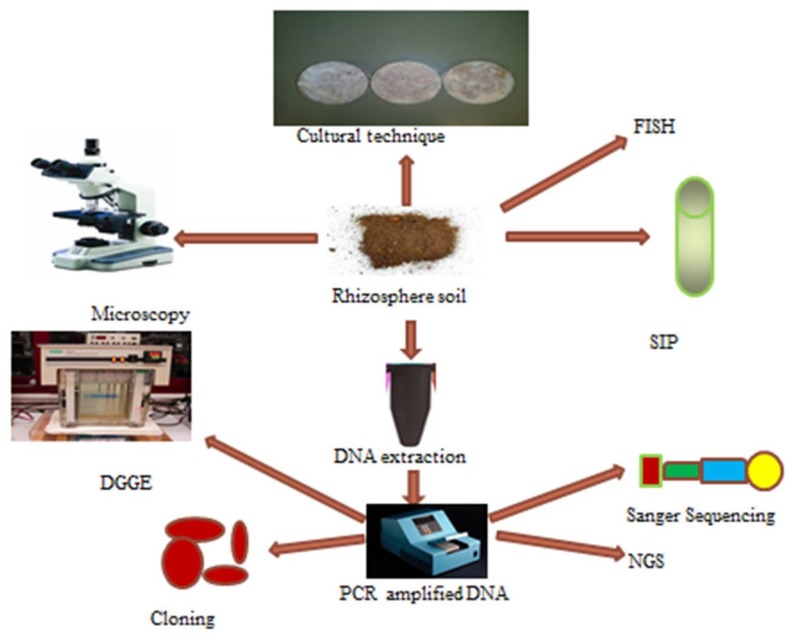
Rhizosphere microbiome which has been shown to enhance plant growth and yield are modulated or influenced by a few environmental factors such as soil type, plant cultivar, climate change and anthropogenic activities. In particular, anthropogenic activity, such as the use of nitrogen-based chemical fertilizers, is associated with environmental destruction and this calls for a more ecofriendly strategy to increase nitrogen levels in agricultural land. This feat is attainable by harnessing nitrogen-fixing endophytic and free-living rhizobacteria. Rhizobium, Pseudomonas, Azospirillum and Bacillus, have been found to have positive impacts on crops by enhancing both above and belowground biomass and could therefore play positive roles in achieving sustainable agriculture outcomes. Thus, it is necessary to study this rhizosphere microbiome with more sophisticated culture-independent techniques such as next generation sequencing (NGS) with the prospect of discovering novel bacteria with plant growth promoting traits. This review is therefore aimed at discussing factors that can modulate rhizosphere microbiome with focus on the contributions of nitrogen fixing bacteria towards sustainable agricultural development and the techniques that can be used for their study.
Keywords: microbiome; next generation sequencing; plant yield; rhizobacteria; rhizosphere; sustainable agriculture.
Conflict of interest statement
The authors declare no conflict of interest.
Figures
References
-
- Spence C., Bais H. Probiotics for plants: Rhizospheric microbiome and plant fitness. Mol. Microb. Ecol. Rhiz. 2013;1:713–721.
Publication types
MeSH terms
Substances
LinkOut - more resources
Full Text Sources
Other Literature Sources
