


Type I interferon and HIV: Subtle balance between antiviral activity, immunopathogenesis and the microbiome
- PMID: 29576284
- PMCID: PMC7108411
- DOI: 10.1016/j.cytogfr.2018.03.003
Type I interferon and HIV: Subtle balance between antiviral activity, immunopathogenesis and the microbiome
Abstract
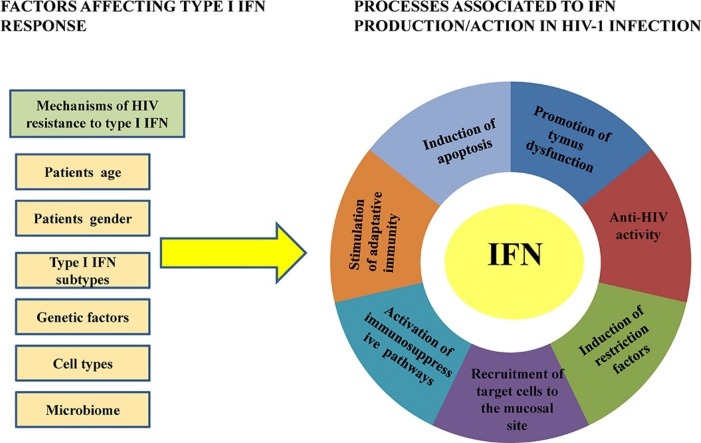
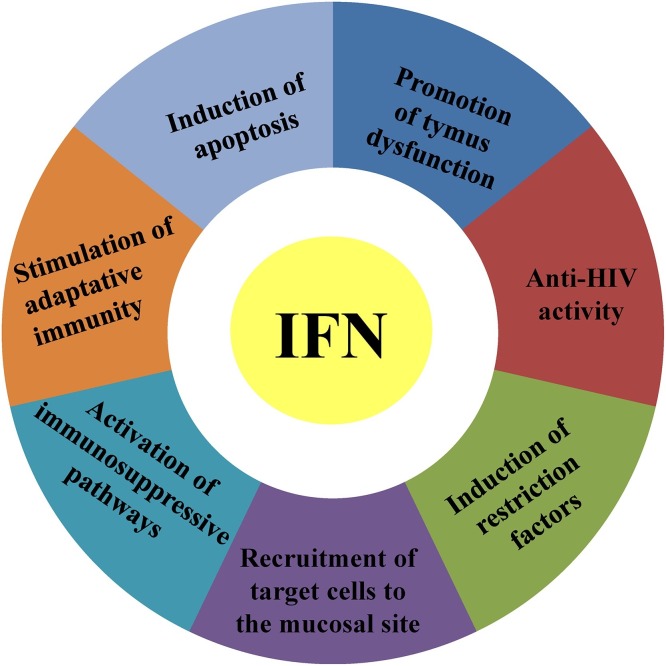
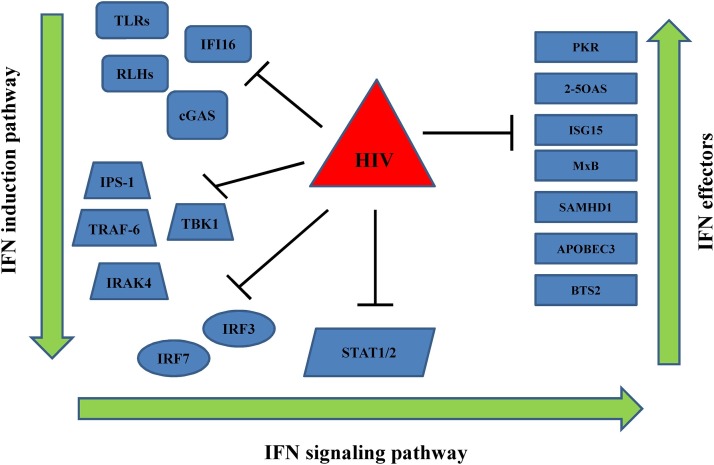
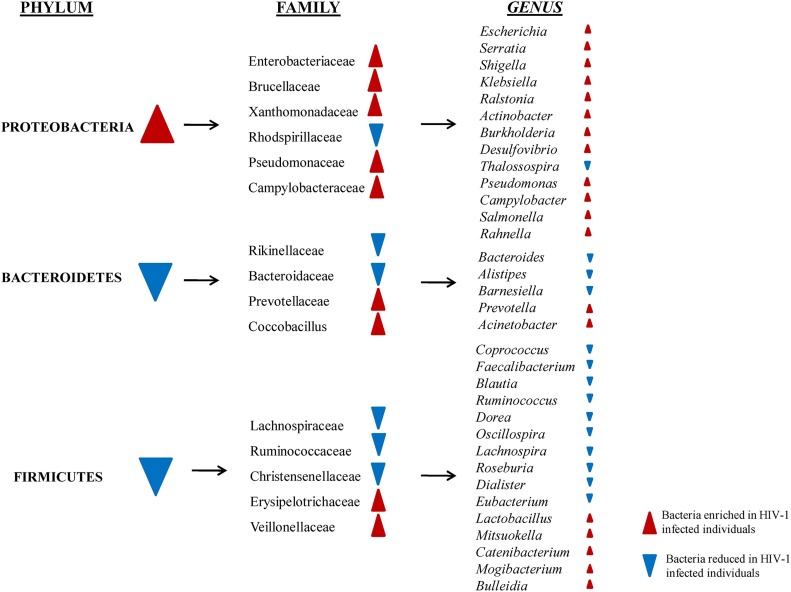
Type I interferon (IFN) response initially limits HIV-1 spread and may delay disease progression by stimulating several immune system components. Nonetheless, persistent exposure to type I IFN in the chronic phase of HIV-1 infection is associated with desensitization and/or detrimental immune activation, thereby hindering immune recovery and fostering viral persistence. This review provides a basis for understanding the complexity and function of IFN pleiotropic activity in HIV-1 infection. In particular, the dichotomous role of the IFN response in HIV-1 immunopathogenesis will be discussed, highlighting recent advances in the dynamic modulation of IFN production in acute versus chronic infection, expression signatures of IFN subtypes, and viral and host factors affecting the magnitude of IFN response during HIV-1 infection. Lastly, the review gives a forward-looking perspective on the interplay between microbiome compositions and IFN response.
Keywords: Age; Gender; Gut; HIV-1; IFN; IFNα receptor; IFNα subtypes; IFNλ; ISGs; Microbiome; PRR; SNP.
Copyright © 2018 Elsevier Ltd. All rights reserved.
Figures
References
Publication types
MeSH terms
Substances
LinkOut - more resources
Full Text Sources
Other Literature Sources
Medical
