Synthetic Lethality of PARP Inhibition and Ionizing Radiation is p53-dependent
- PMID: 29592899
- PMCID: PMC6713455
- DOI: 10.1158/1541-7786.MCR-18-0106
Synthetic Lethality of PARP Inhibition and Ionizing Radiation is p53-dependent
Abstract
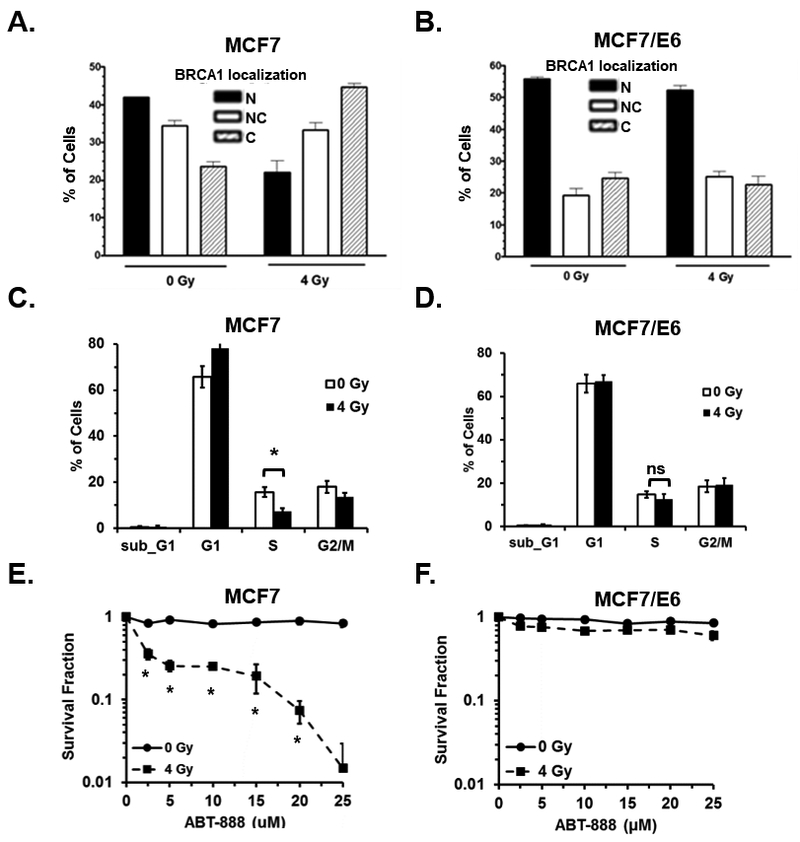
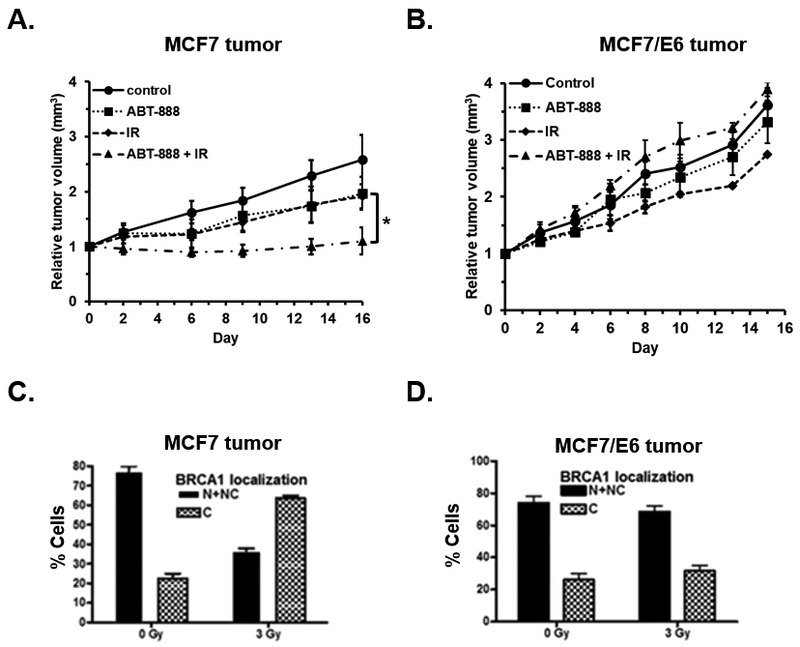
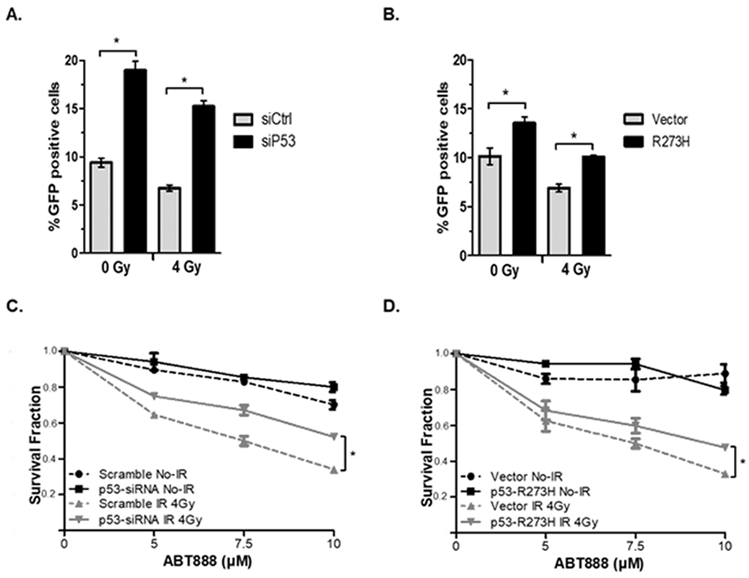
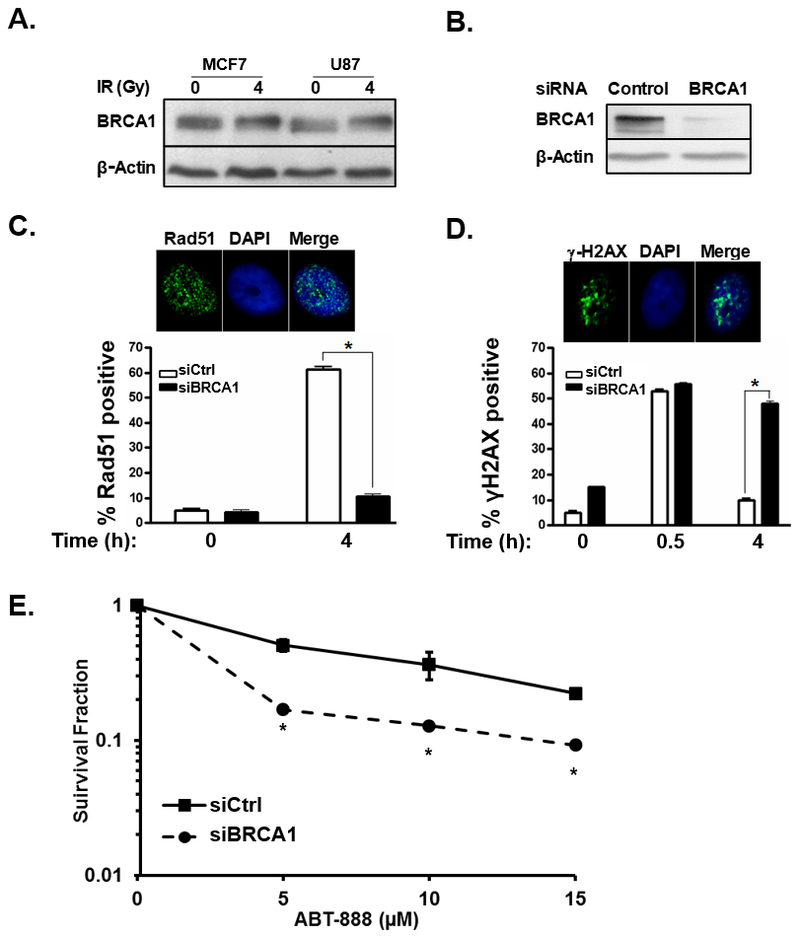
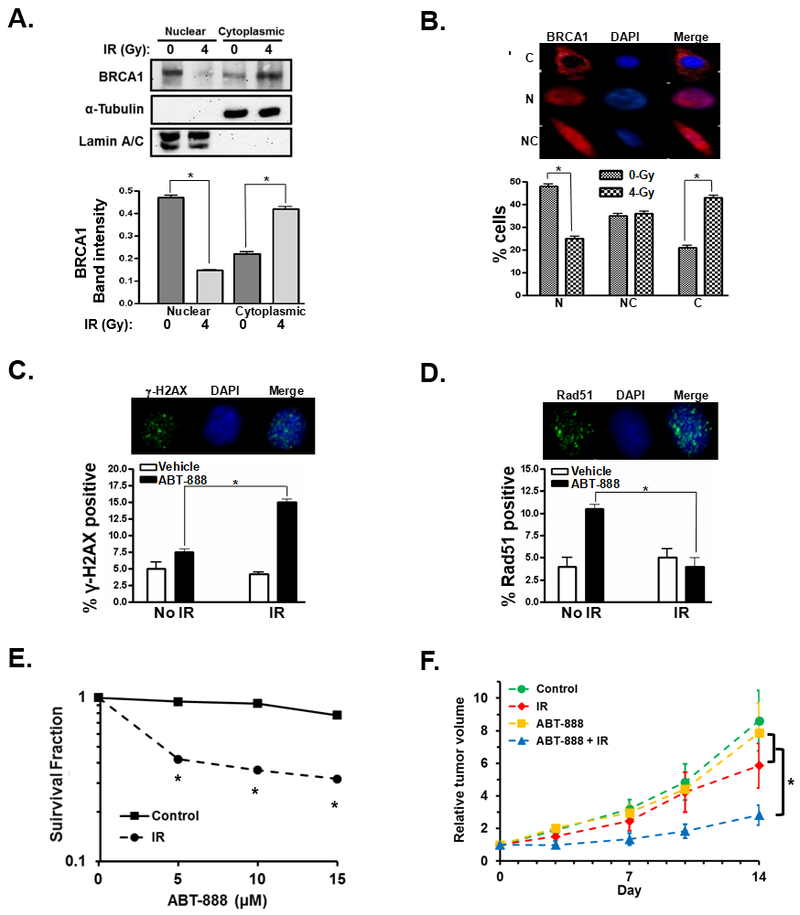
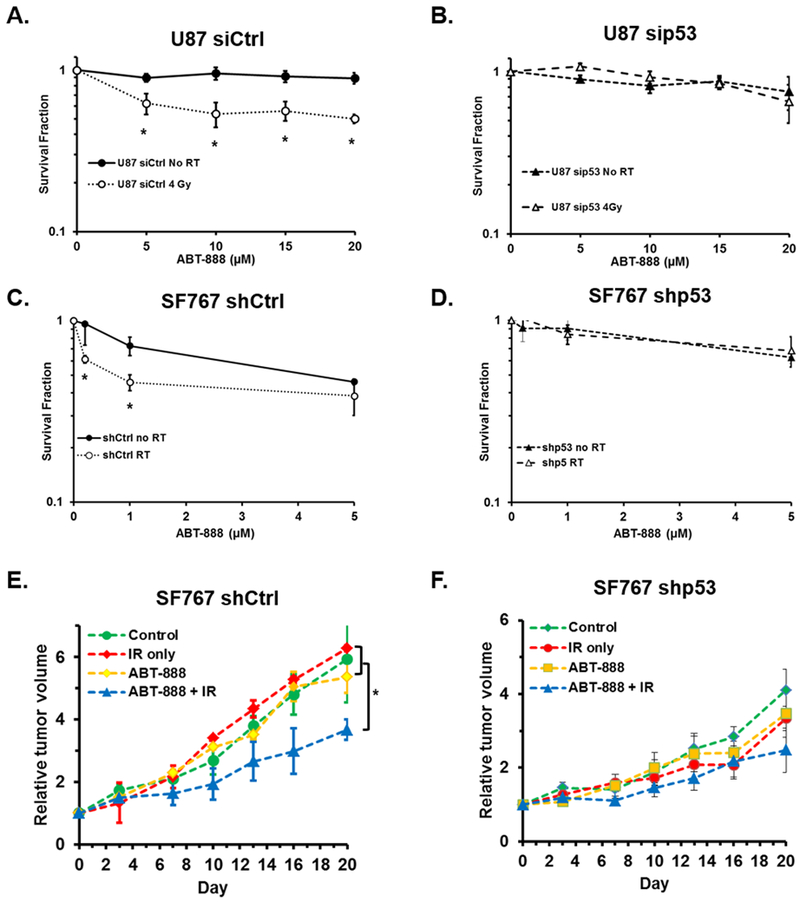
PARP inhibitors (PARPi) are potentially effective therapeutic agents capable of inducing synthetic lethality in tumors with deficiencies in homologous recombination (HR)-mediated DNA repair such as those carrying BRCA1 mutations. However, BRCA mutations are rare, the majority of tumors are proficient in HR repair, and thus most tumors are resistant to PARPi. Previously, we observed that ionizing radiation (IR) initiates cytoplasmic translocation of BRCA1 leading to suppression of HR-mediated DNA repair and induction of synthetic PARPi lethality in wild-type BRCA1 and HR-proficient tumor cells. The tumor suppressor p53 was identified as a key factor that regulates DNA damage-induced BRCA1 cytoplasmic sequestration following IR. However, the role of p53 in IR-induced PARPi sensitization remains unclear. This study elucidates the role of p53 in IR-induced PARPi cytotoxicity in HR-proficient cancer cells and suggests p53 status may help define a patient population that might benefit from this treatment strategy. Sensitization to PARPi following IR was determined in vitro and in vivo utilizing human breast and glioma tumor cells carrying wild-type BRCA1 and p53, and in associated cells in which p53 function was modified by knockdown or mutation. In breast and glioma cells with proficient HR repair, IR-induced BRCA1 cytoplasmic sequestration, HR repair inhibition, and subsequent PARPi sensitization in vitro and in vivo was dependent upon functional p53.Implications: Implications: p53 status determines PARP inhibitor sensitization by ionizing radiation in multiple BRCA1 and HR-proficient tumor types and may predict which patients are most likely to benefit from combination therapy. Mol Cancer Res; 16(7); 1092-102. ©2018 AACR.
©2018 American Association for Cancer Research.
Conflict of interest statement
Figures
References
-
- Farmer H, McCabe N, Lord CJ, et al. Targeting the DNA repair defect in BRCA mutant cells as a therapeutic strategy. Nature 2005;434: 917–21. - PubMed
-
- Malone KE, Daling JR, Neal C, et al. Frequency of BRCA1/BRCA2 mutations in a population-based sample of young breast carcinoma cases. Cancer 2000;88: 1393–402. - PubMed
Publication types
MeSH terms
Substances
Grants and funding
LinkOut - more resources
Full Text Sources
Other Literature Sources
Medical
Research Materials
Miscellaneous