


Transcatheter Treatment of Functional Tricuspid Regurgitation Using the Trialign Device
- PMID: 29593830
- PMCID: PMC5872345
- DOI: 10.15420/icr.2017:21:1
Transcatheter Treatment of Functional Tricuspid Regurgitation Using the Trialign Device
Abstract
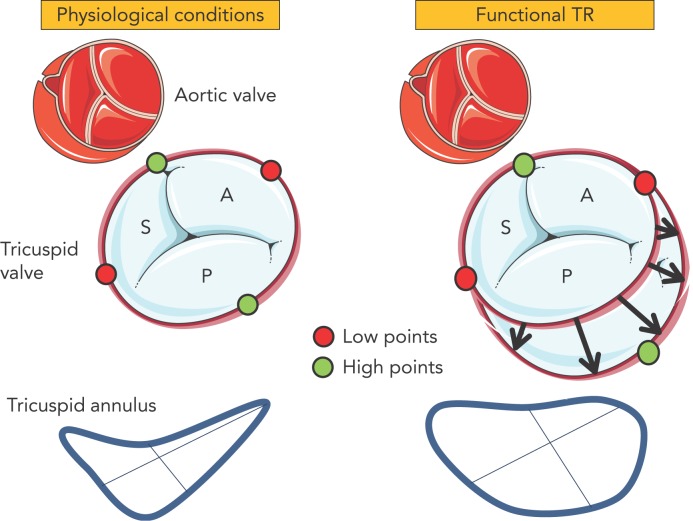
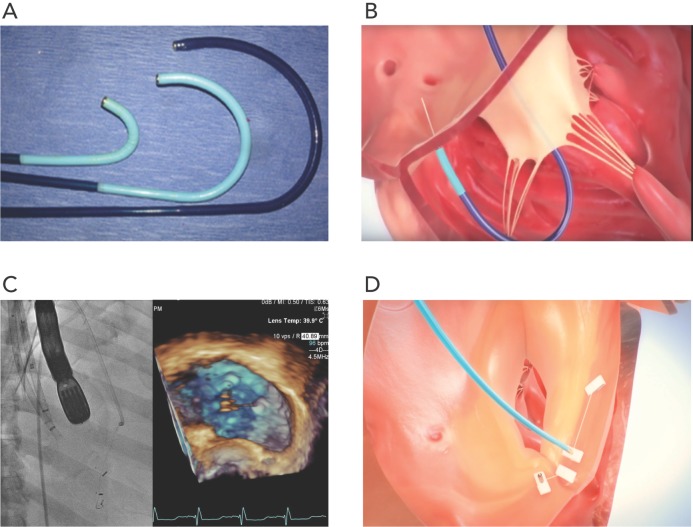
Functional tricuspid regurgitation (TR) represents an important unmet need in clinical cardiology given its prevalence, adverse prognostic impact and symptom burden associated with progressive right heart failure. Several transcatheter techniques are currently in early clinical testing to provide alternative treatment options for patients deemed unsuitable for tricuspid valve surgery. Amongst them, the TrialignTM device (Mitralign, Inc.) represents a novel percutaneous tricuspid valve annuloplasty technique, which aims to reduce tricuspid annular dilatation in functional TR by delivering and cinching two pledgeted sutures to the posterior portion of the tricuspid annulus via transjugular access. Early clinical data suggest the Trialign technique is safe and feasible, and associated with an improvement in quality-of-life measures. However, further studies are needed to confirm these data in larger cohorts of patients with longer follow up. In addition, future trials need to address the question whether TR reduction with the Trialign and other devices leads to an improvement in the patient`s functional status and prognosis, over and above medical treatment alone.
Keywords: Mitralign; Trialign; Tricuspid valve; right ventricle; transcatheter therapy; tricuspid regurgitation.
Conflict of interest statement
Disclosure: The authors have no conflict of interest to declare.
Figures
References
LinkOut - more resources
Full Text Sources
Other Literature Sources
