


Recommendations for active correction of hypernatremia in volume-resuscitated shock or sepsis patients should be taken with a grain of salt: A systematic review
- PMID: 29593868
- PMCID: PMC5865456
- DOI: 10.1177/2050312118762043
Recommendations for active correction of hypernatremia in volume-resuscitated shock or sepsis patients should be taken with a grain of salt: A systematic review
Abstract
Background: Healthcare-acquired hypernatremia (serum sodium >145 mEq/dL) is common among critically ill and other hospitalized patients and is usually treated with hypotonic fluid and/or diuretics to correct a "free water deficit." However, many hypernatremic patients are eu- or hypervolemic, and an evolving body of literature emphasizes the importance of rapidly returning critically ill patients to a neutral fluid balance after resuscitation.
Objective: We searched for any randomized- or observational-controlled studies evaluating the impact of active interventions intended to correct hypernatremia to eunatremia on any outcome in volume-resuscitated patients with shock and/or sepsis.
Data sources: We performed a systematic literature search with studies identified by searching MEDLINE, Embase, Cochrane Central Register of Controlled Trials, Cochrane Database of Systematic Reviews, ClinicalTrials.gov, Index-Catalogue of the Library of the Surgeon General's Office, DARE (Database of Reviews of Effects), and CINAHL and scanning reference lists of relevant articles with abstracts published in English.
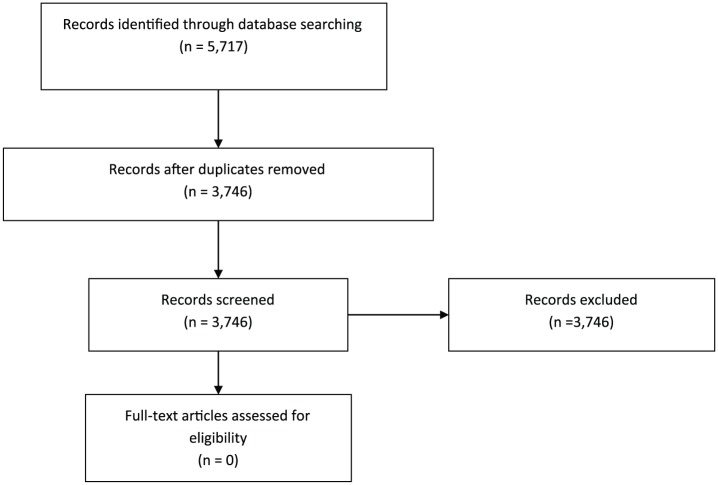
Data synthesis: We found no randomized- or observational-controlled trials measuring the impact of active correction of hypernatremia on any outcome in resuscitated patients.
Conclusion: Recommendations for active correction of hypernatremia in resuscitated patients with sepsis or shock are unsupported by clinical research acceptable by modern evidence standards.
Keywords: Hypernatremia; critical illness; fluid therapy; shock; sodium; water–electrolyte imbalances.
Conflict of interest statement
Declaration of conflicting interests: The author(s) declared no potential conflicts of interest with respect to the research, authorship, and/or publication of this article.
Figures
References
-
- Güçyetmez B, Ayyildiz AC, Ogan A, et al. Dysnatremia on intensive care unit admission is a stronger risk factor when associated with organ dysfunction. Minerva Anestesiol 2014; 80(10): 1096–1104. - PubMed
-
- Sun T, Wu Q, Kan Q, et al. The influence of hypernatremia on mortality in intensive care unit patients: a meta-analysis. Zhonghua Wei Zhong Bing Ji Jiu Yi Xue 2014; 26(4): 228–232. - PubMed
-
- Toor MR, Singla A, DeVita MV, et al. Characteristics, therapies, and factors influencing outcomes of hospitalized hypernatremic geriatric patients. Int Urol Nephrol 2014; 46(8): 1589–1594. - PubMed
Publication types
LinkOut - more resources
Full Text Sources
Other Literature Sources
