


Islamic Attitudes and Rhinoplasty
Abstract
Introduction: Although the psychological aspects of rhinoplasty have been fully investigated in the medical literature, the religiosity of rhinoplasty candidates has not been taken into consideration.
Materials and methods: In this cross-sectional study, the religious attitudes of 157 rhinoplasty candidates were compared with those of 74 subjects who had not requested rhinoplasty. A domestic validated reliable questionnaire was completed by all subjects to classify them with respect to religious attitude. Other factors such as age, sex and economic and educational status were also taken into consideration. From the surgeon's perspective, subjects were put into three categories: subjects who had a relative indication for rhinoplasty (Category.1), subjects with a well-defined nose based on accepted standards of facial aesthetic analysis (Category.2) and finally subjects with a severely deformed nose, such as deviated nose or nasal cleft lip deformity (Category.3).
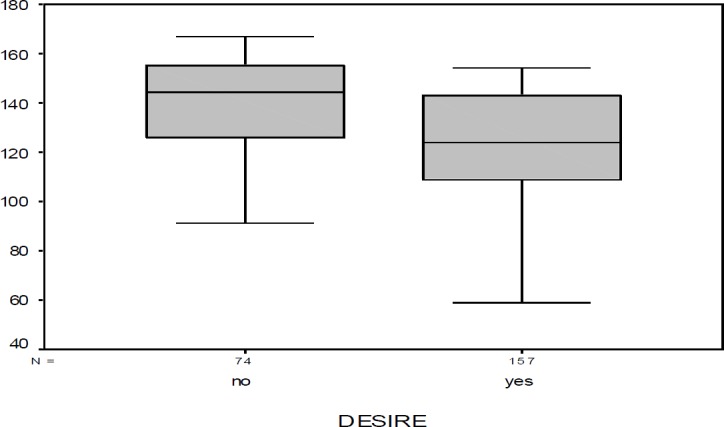
Results: The mean age among subjects was 28.63 ± 7.05 years, and the majority were female (87%). The two groups of participants (those who did and did not express a desire for rhinoplasty) were analyzed from the point view of age, sex, economic and educational status. The economic and educational status of the two groups did not differ significantly (P>0.05). The religious score showed a significant difference between those who were interested in rhinoplasty (122.75±23.49) and those were not interested (138.78±21.85; P<0.001).
Conclusion: Religion may affect a patient's decision to undergo rhinoplasty surgery, such that persons with a higher religious attitude tend to undertake it less often. However, individuals with major nasal deformities tend to decide undertake the surgery, irrespective of religious beliefs.
Figures
References
-
- Adams GR, La Voie JC. Parental expectations of educational and personal social performance of childbearing patterns as a function of attractiveness, sex,and conduct of the child. Child Study J. 1973;5:125.
-
- Adams GR, LaVoie JC. The effect of student's sex, conduct, and facial attractiveness on teacher expectancy. Education. 1974;95(1):76–8.
-
- Clifford MM, Walster E. The effect of physical attractiveness on teacher expectations. Sociology of education. 1973;46(2):248–58.
-
- Corter C, Trehub S, Boukydis C, Ford L, Celhoffer L, Minde K. Nurses' judgments of the attractiveness of premature infants. Infant behavior and development. 1978;1:373–80.
-
- Dion KK, Berscheid E. Physical attractiveness and peer perception among children. Sociometry. 1974;37(1):1–12.
LinkOut - more resources
Full Text Sources