


Bold personality makes domestic dogs entering a shelter less vulnerable to diseases
- PMID: 29596432
- PMCID: PMC5875777
- DOI: 10.1371/journal.pone.0193794
Bold personality makes domestic dogs entering a shelter less vulnerable to diseases
Erratum in
-
Correction: Bold personality makes domestic dogs entering a shelter less vulnerable to diseases.PLoS One. 2018 Aug 29;13(8):e0203399. doi: 10.1371/journal.pone.0203399. eCollection 2018. PLoS One. 2018. PMID: 30157251 Free PMC article.
Abstract
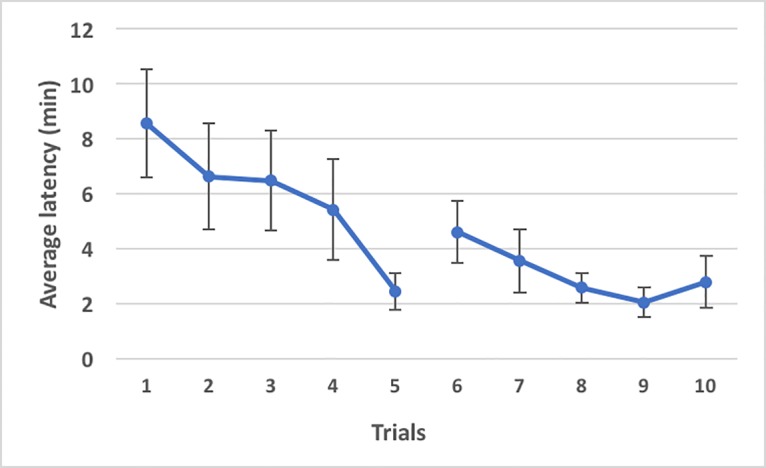
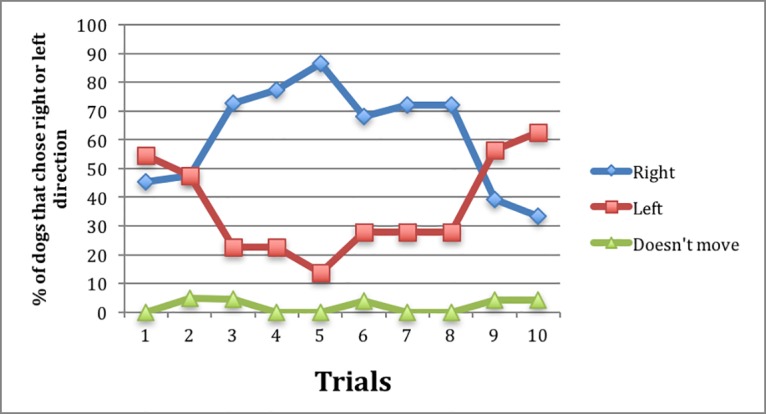
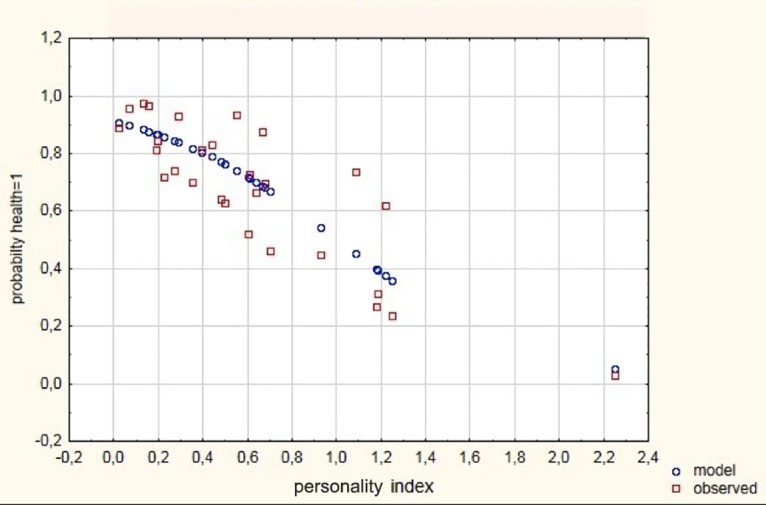
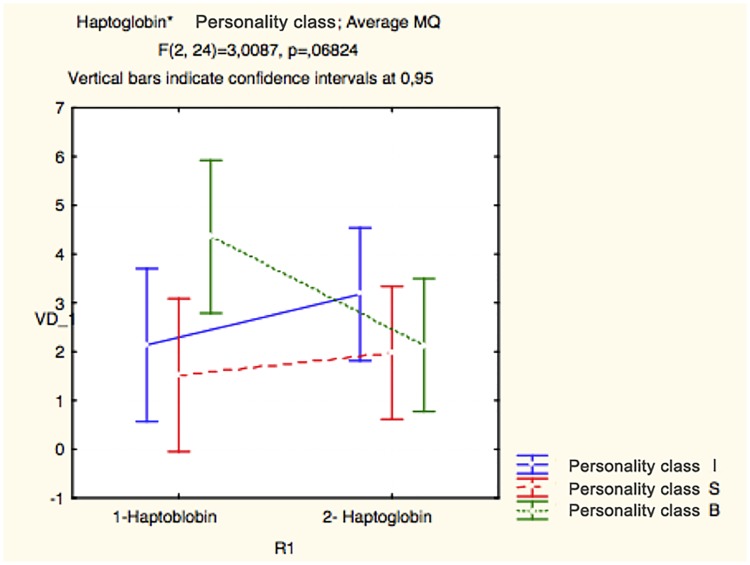
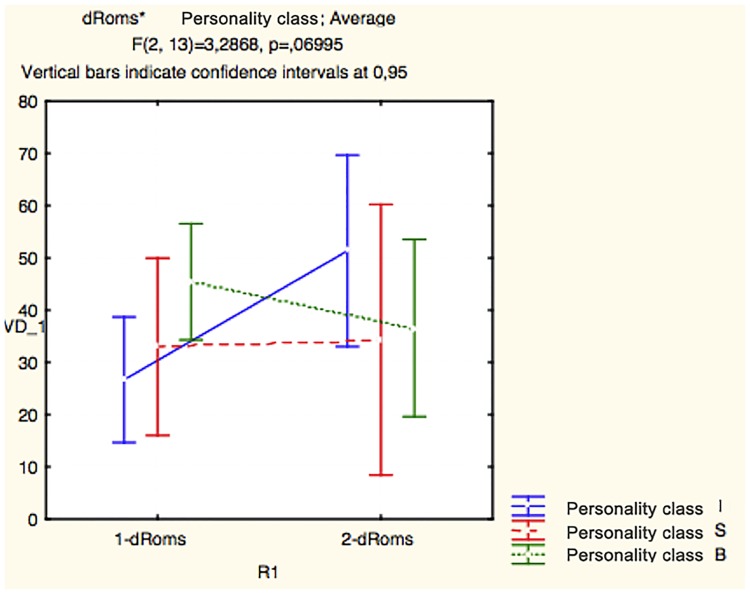
It is widely recognised that for vertebrate species, personalities vary along an axis with extremes represented by 'proactive' and 'reactive' individuals. The aim of this study was to verify whether there is a relationship between personality and disease vulnerability in domestic dogs (Canis familiaris) exposed to an intensely stressful situation such as entering a shelter. Twenty-eight shelter dogs participated in the study. The ethogram consisted of approximately 100 behavioural patterns. Behavioural observations of dogs in their new environment, a Novel Object and a T-maze test were used to evaluate the personality of the dogs captured as strays and entering the shelter. A blood sample from each dog was obtained at admission into the shelter and after a month to evaluate their immunological state. Based on PCA analyses of observational combined with experimental data, the dogs were ordered along the boldness-shyness axis, with the first being the boldest. Excluding one (the 6th), the first 10 dogs showed an improved health status: absence of disease symptoms during the 30 days of monitoring and improved immunological parameters; the opposite was found for shy dogs. The results of this research seem to confirm findings in other vertebrate species, i.e., bold and shy dog vulnerability to diseases might be different, especially when they must cope with a stressful and highly infectious environment such as a dog shelter.
Conflict of interest statement
Figures
References
-
- Koolhaas J. M., Korte S. M., De Boer S. F., van der Vegt B. J., Van Reenen C. G., Hopster H. et al. (1999). Coping styles in animals: current status in behavior and stress physiology. Neurosci. Biobehav. Rev. 23, 925–935. - PubMed
-
- Wilson D. S., Clark A. B., Coleman K. & Dearstyne T. (1994). Shyness and boldness in humans and other animals. Trends Ecol. Evol. 9, 442–446. - PubMed
-
- Kurvers R. H. J. M., Eijkelenkamp B., van Oers K., van Lith B., van Wieren S. E., Ydenberg R. C. et al. (2009). Personality differences explain leadership in barnacle gees. Anim. Behav. 9, 1–7.
-
- Mettke-Hofmann C., Ebert C., Schmidt T., Steiger S. & Stieb S. (2005). Personality traits in resident and migratory warbler species. Behaviour 142, 1357–1375.
-
- Goddard M. E. & Beilharz R. G. (1986). Early prediction of adult behavior in potential guide dogs. Appl. Anim. Behav. Sci. 15, 247–260.
MeSH terms
Substances
LinkOut - more resources
Full Text Sources
Other Literature Sources
