


Utility of serum IGF-1 for diagnosis of growth hormone deficiency following traumatic brain injury and sport-related concussion
- PMID: 29609574
- PMCID: PMC5879553
- DOI: 10.1186/s12902-018-0247-1
Utility of serum IGF-1 for diagnosis of growth hormone deficiency following traumatic brain injury and sport-related concussion
Abstract
Background: Growth hormone deficiency (GHD) is a potential consequence of traumatic brain injury (TBI), including sport-related concussion (SRC). GH stimulation testing is required for definitive diagnosis; however, this is resource intensive and can be associated with adverse symptoms or risks. Measurement of serum IGF-1 is more practical and accessible, and pituitary tumour patients with hypopituitarism and low serum IGF-1 have been shown to have a high probability of GHD. We aimed to evaluate IGF-1 measurement for diagnosing GHD in our local TBI population.
Methods: We conducted a retrospective chart review of patients evaluated for GHD at the TBI clinic and referred for GH stimulation testing with insulin tolerance test (ITT) or glucagon stimulation test (GST) since December 2013. We obtained demographics, TBI severity, IGF-1, data pertaining to pituitary function, and GH stimulation results. IGF-1 values were used to calculate z-scores per age and gender specific reference ranges. Receiver operator curve analysis was performed to evaluate diagnostic threshold of IGF-1 z-score for determining GHD by GST or ITT.
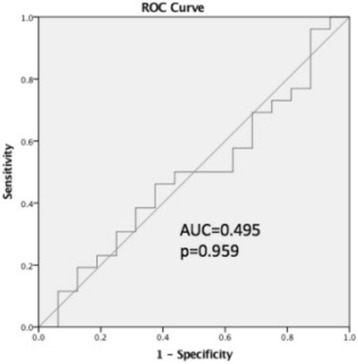
Results: Sixty four patient charts were reviewed. 48 patients had mild, six had moderate, eight had severe TBI, and two had non-traumatic brain injuries. 47 patients underwent ITT or GST. 27 were confirmed to have GHD (peak hGH < 5 μg/L). IGF-1 level was within the age and gender specific reference range for all patients with confirmed GHD following GH stimulation testing. Only one patient had a baseline IGF-1 level below the age and gender specific reference range; this patient had a normal response to GH stimulation testing. ROC analysis showed IGF-1 z-score AUC f, confirming lack of diagnostic utility.
Conclusion: Baseline IGF-1 is not a useful predictor of GHD in our local TBI population, and therefore has no value as a screening tool. TBI patients undergoing pituitary evaluation will require a dynamic test of GH reserve.
Conflict of interest statement
Ethics approval and consent to participate
The authors declare that the procedures followed in this study were in accordance with the ethical approval s of the Conjoint Health Research Ethics Board at the University of Calgary, Calgary, Alberta, Canada (REB16–0355). Our study was granted waiver of consent by the Conjoint Health Research Ethics Board on the grounds that contacting all patients was thought to be unfeasible (due to the study’s retrospective nature, we did not have up to date contact information for all participants) as well as the minimal risk of harm to participants given our study did not involve any direct interaction or procedures.
Consent for publication
Not applicable.
Competing interests
The authors declare that they have no competing interests.
Publisher’s Note
Springer Nature remains neutral with regard to jurisdictional claims in published maps and institutional affiliations.
Figures
References
MeSH terms
Substances
LinkOut - more resources
Full Text Sources
Other Literature Sources
Medical
Research Materials
Miscellaneous
