


Genomic and Functional Approaches to Understanding Cancer Aneuploidy
- PMID: 29622463
- PMCID: PMC6028190
- DOI: 10.1016/j.ccell.2018.03.007
Genomic and Functional Approaches to Understanding Cancer Aneuploidy
Abstract
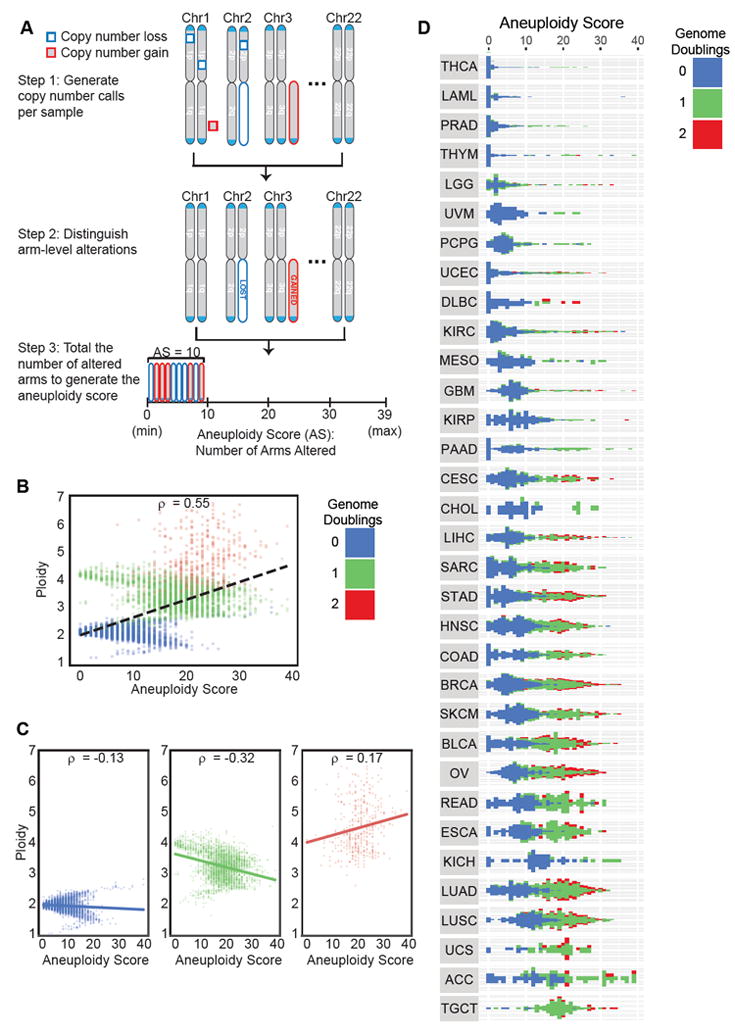
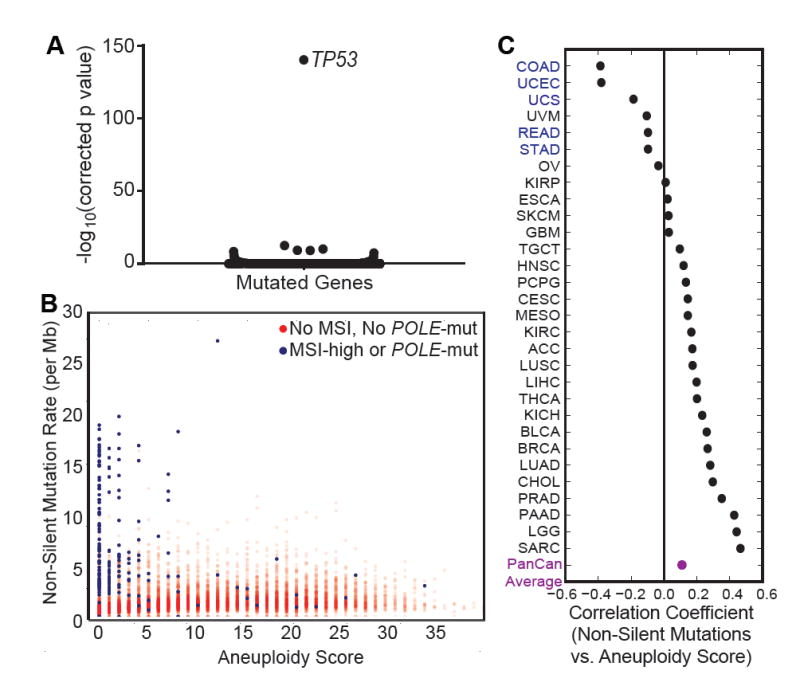
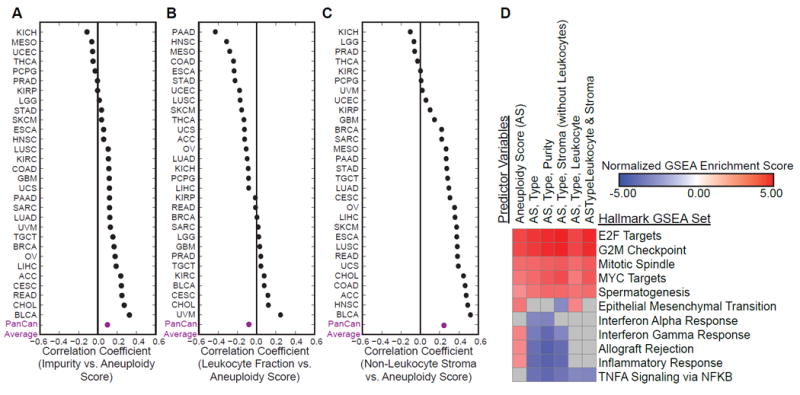
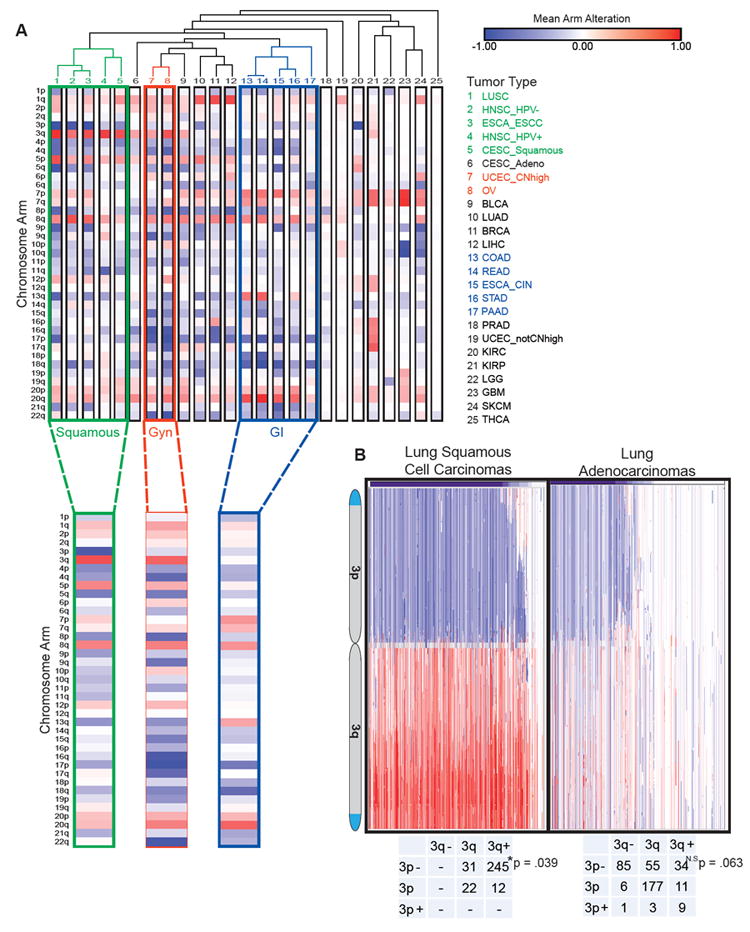
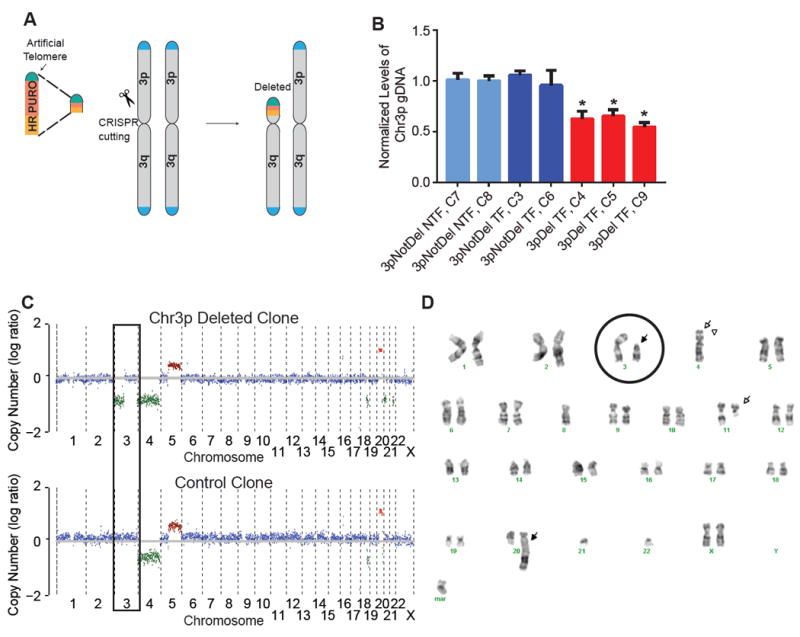
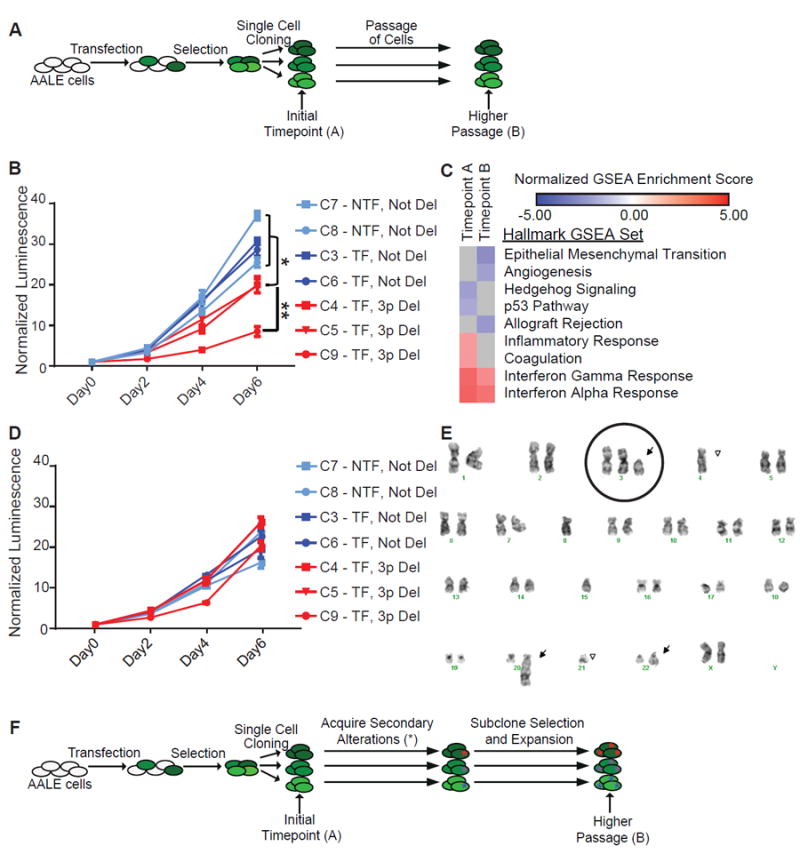
Aneuploidy, whole chromosome or chromosome arm imbalance, is a near-universal characteristic of human cancers. In 10,522 cancer genomes from The Cancer Genome Atlas, aneuploidy was correlated with TP53 mutation, somatic mutation rate, and expression of proliferation genes. Aneuploidy was anti-correlated with expression of immune signaling genes, due to decreased leukocyte infiltrates in high-aneuploidy samples. Chromosome arm-level alterations show cancer-specific patterns, including loss of chromosome arm 3p in squamous cancers. We applied genome engineering to delete 3p in lung cells, causing decreased proliferation rescued in part by chromosome 3 duplication. This study defines genomic and phenotypic correlates of cancer aneuploidy and provides an experimental approach to study chromosome arm aneuploidy.
Keywords: aneuploidy; cancer genomics; genome engineering; lung squamous cell carcinoma.
Copyright © 2018 The Authors. Published by Elsevier Inc. All rights reserved.
Conflict of interest statement
M.M., A.D.C., A.C.B., and G.F.G. receive research support from Bayer HealthCare Pharmaceuticals. M.M. is a consultant for and equity holder in OrigiMed. R.B. consults for and receives research support from Novartis. Other authors declare no competing interests.
Figures
References
Publication types
MeSH terms
Substances
Grants and funding
LinkOut - more resources
Full Text Sources
Other Literature Sources
Research Materials
Miscellaneous
