


Systemic exertion intolerance disease/chronic fatigue syndrome is common in sleep centre patients with hypersomnolence: A retrospective pilot study
- PMID: 29624767
- PMCID: PMC6173992
- DOI: 10.1111/jsr.12689
Systemic exertion intolerance disease/chronic fatigue syndrome is common in sleep centre patients with hypersomnolence: A retrospective pilot study
Abstract
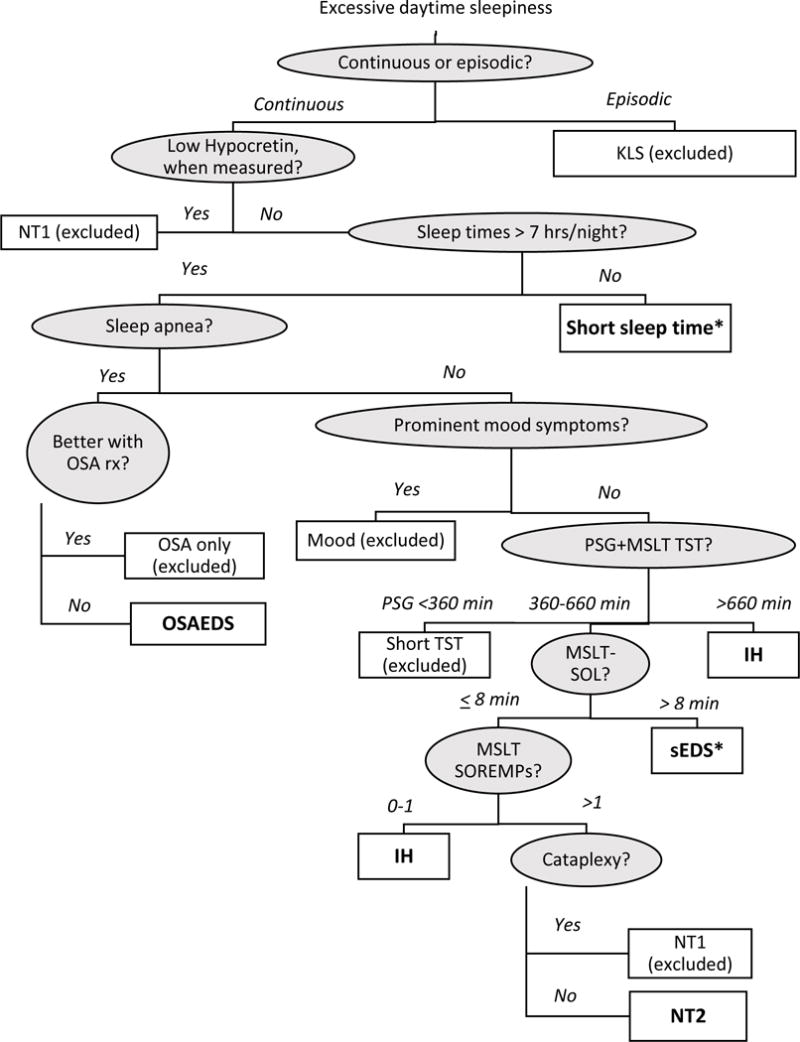
Symptoms of the central disorders of hypersomnolence extend beyond excessive daytime sleepiness to include non-restorative sleep, fatigue and cognitive dysfunction. They share much in common with myalgic encephalomyelitis/chronic fatigue syndrome, recently renamed systemic exertion intolerance disease, whose additional features include post-exertional malaise and orthostatic intolerance. We sought to determine the frequency and correlates of systemic exertion intolerance disease in a hypersomnolent population. One-hundred and eighty-seven hypersomnolent patients completed questionnaires regarding sleepiness and fatigue; questionnaires and clinical records were used to assess for systemic exertion intolerance disease. Sleep studies, hypocretin and cataplexy were additionally used to assign diagnoses of hypersomnolence disorders or sleep apnea. Included diagnoses were idiopathic hypersomnia (n = 63), narcolepsy type 2 (n = 25), persistent sleepiness after obstructive sleep apnea treatment (n = 25), short habitual sleep duration (n = 41), and sleepiness with normal sleep study (n = 33). Twenty-one percent met systemic exertion intolerance disease criteria, and the frequency of systemic exertion intolerance disease was not different across sleep diagnoses (p = .37). Patients with systemic exertion intolerance disease were no different from those without this diagnosis by gender, age, Epworth Sleepiness Scale, depressive symptoms, or sleep study parameters. The whole cohort reported substantial fatigue on questionnaires, but the systemic exertion intolerance disease group exhibited more profound fatigue and was less likely to respond to traditional wake-promoting agents (88.6% versus 67.7%, p = .01). Systemic exertion intolerance disease appears to be a common co-morbidity in patients with hypersomnolence, which is not specific to hypersomnolence subtype but may portend a poorer prognosis for treatment response.
Keywords: chronic fatigue syndrome; fatigue; idiopathic hypersomnia; narcolepsy; sleepiness; systemic exertion intolerance disease.
© 2018 European Sleep Research Society.
Conflict of interest statement
Figures
References
-
- Bakshi R, Miletich RS, Henschel K, et al. Fatigue in multiple sclerosis. Neurology. 1999;53:1151–3. - PubMed
-
- Chervin RD. Sleepiness fatigue tiredness and lack of energy in obstructive sleep apnea. Chest. 2000;118:372–9. - PubMed
-
- Corrigan FM, MacDonald S, Brown A, Armstrong K, Armstrong EM. Neurasthenic fatigue, chemical sensitivity and GABAa receptor toxins. Med Hypotheses. 1994;43:195–200. - PubMed
-
- Flachenecker P, Kumpfel T, Kallmann B, et al. Fatigue in multiple sclerosis. Mult Scler. 2002;8:523–6. - PubMed
Publication types
MeSH terms
Grants and funding
LinkOut - more resources
Full Text Sources
Other Literature Sources
Medical
Miscellaneous
