Review
. 2017 Dec;111(8):448-458.
doi: 10.1080/20477724.2018.1452844. Epub 2018 Apr 9.

Driving towards ecotechnologies

Affiliations
Review

Driving towards ecotechnologies

Devora A Najjar et al. Pathog Glob Health. 2017 Dec.

Abstract

The prospect of using genetic methods to target vector, parasite, and reservoir species offers tremendous potential benefits to public health, but the use of genome editing to alter the shared environment will require special attention to public perception and community governance in order to benefit the world. Public skepticism combined with the media scrutiny of gene drive systems could easily derail unpopular projects entirely, especially given the potential for trade barriers to be raised against countries that employ self-propagating gene drives. Hence, open and community-guided development of thoughtfully chosen applications is not only the most ethical approach, but also the most likely to overcome the economic, social, and diplomatic barriers. Here we review current and past attempts to alter ecosystems using biological methods, identify key determinants of social acceptance, and chart a stepwise path for developers towards safe and widely supported use.

Keywords: Gene drive; Lyme; community engagement; dengue; ecotechnology; malaria; open science.


Figures
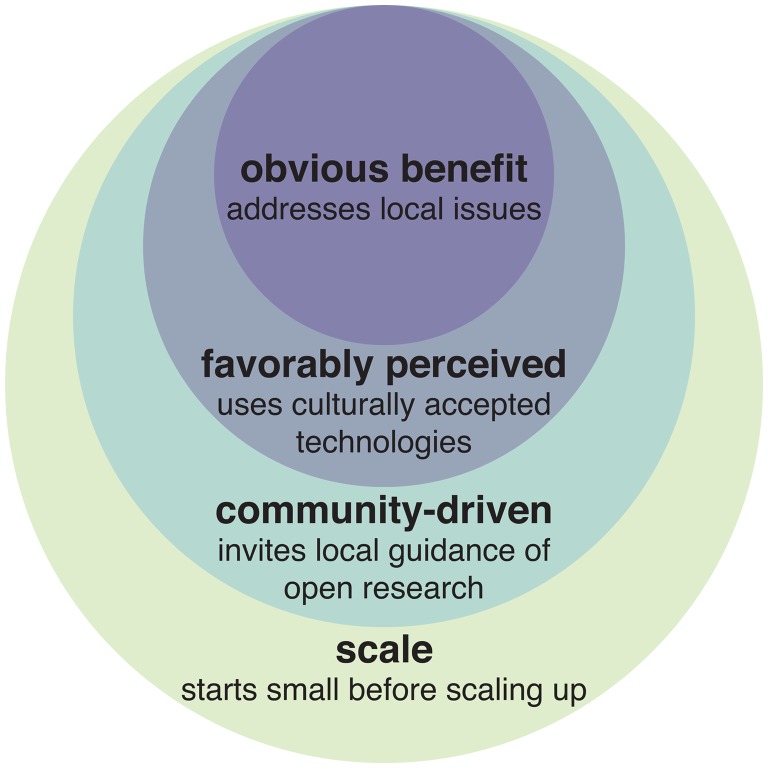
Figure 1.
Figure 1.
Key considerations for applications of ecotechnologies.
Figure 2.
Figure 2.
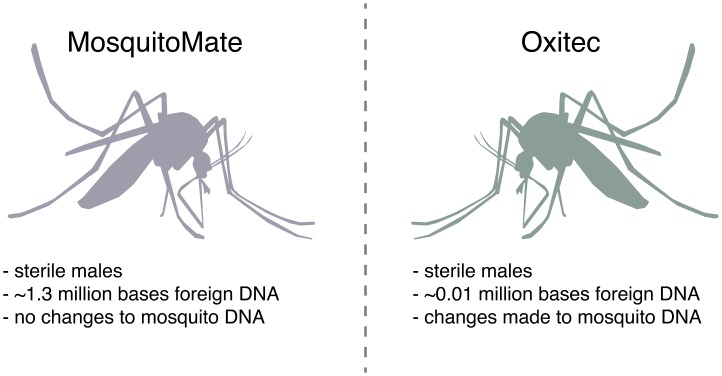
Public perception. The sterile males produced by MosquitoMate and Oxitec are functionally equivalent, but the difference in public perception was striking - possibly because artificial Wolbachia infection is perceived as more “natural” than editing the mosquito genome.
Figure 3.
Figure 3.
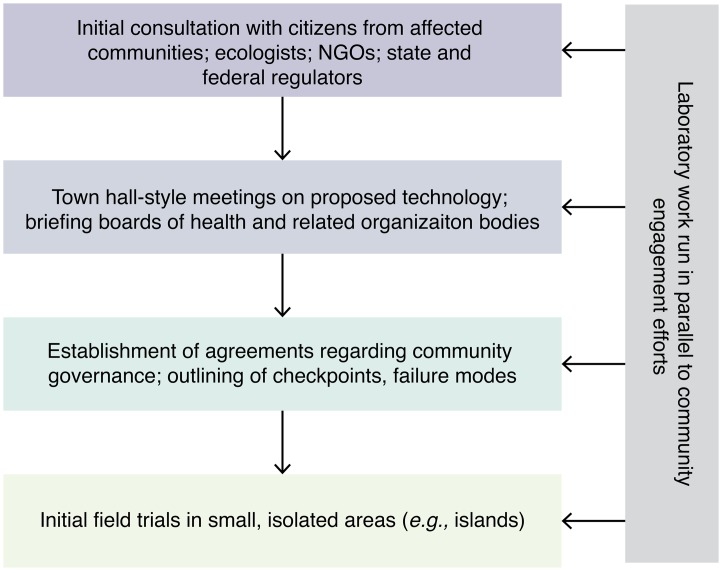
Community involvement. In the Responsive Science model, scientists engage longitudinally with communities and regulatory bodies. Ideally, the process should precede laboratory research.
Figure 4.
Figure 4.
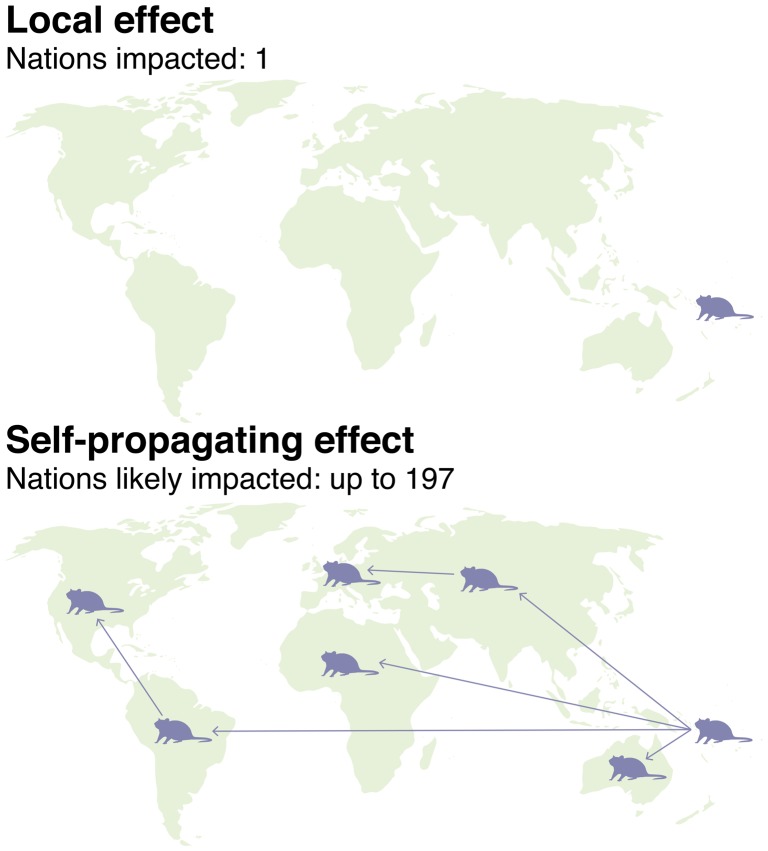
Scale. Local interventions can be developed in collaboration with early adopter communities and may be released after receiving regulatory approval from a single country. Interventions anticipated to spread without limit on their own are difficult to safely test at small scale and can face diplomatic complications given the likelihood of international spread.
Figure 5.
Figure 5.
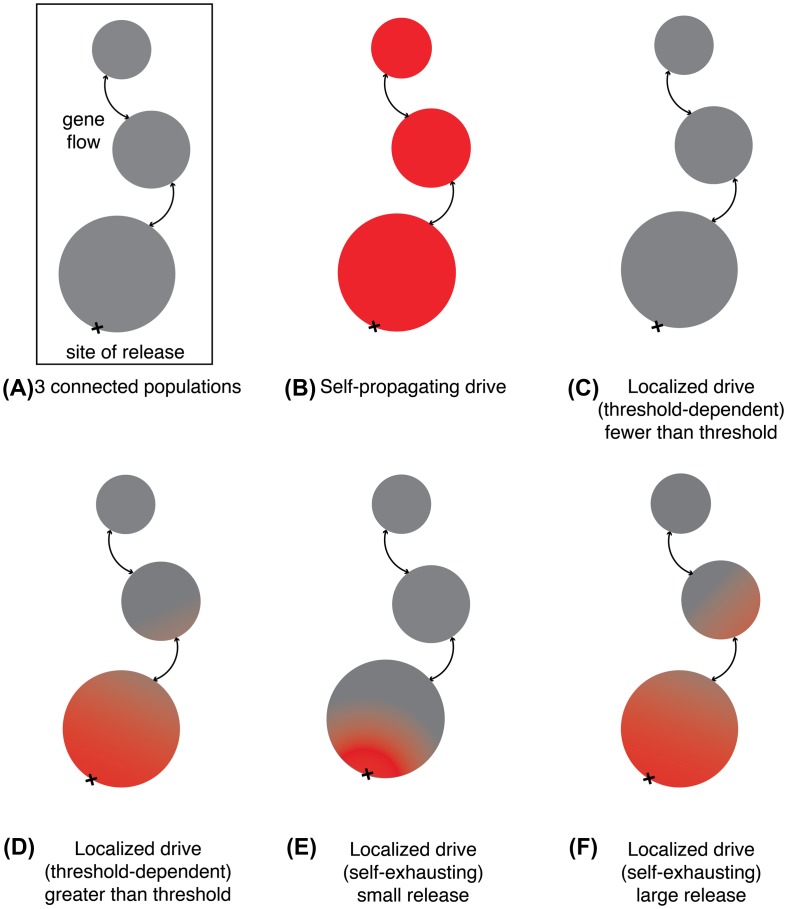
Geographic impacts of different gene drive types. (A) A depiction of the gene flow from a site of release through three interconnected geographic populations. (B) A self-propagating gene drive. (C) A threshold-dependent drive released at a frequency below the threshold. (D) A threshold-dependent drive released at a frequency above the threshold. (E) A self-exhausting drive released at comparatively low frequency. (F) A self-exhausting drive released at higher frequency. All depictions are approximate as exact values depend on drive efficiency, fitness cost, and other parameters.

References

    1. Burt A. Site-specific selfish genes as tools for the control and genetic engineering of natural populations. Proc Biol Sci. 2003. May 7;270(1518):921–928.10.1098/rspb.2002.2319 - DOI - PMC - PubMed
    1. Deredec A, Burt A, Godfray HCJ. The population genetics of using homing endonuclease genes in vector and pest management. Genetics. 2008. Aug;179(4):2013–2026.10.1534/genetics.108.089037 - DOI - PMC - PubMed
    1. Eckhoff PA, Wenger EA, Godfray HCJ, et al. . Impact of mosquito gene drive on malaria elimination in a computational model with explicit spatial and temporal dynamics. Proc Nat Acad Sci. 2016. Dec;27:201611064. - PMC - PubMed
    1. Esvelt KM, Smidler AL, Catteruccia F, et al. . Concerning RNA-guided gene drives for the alteration of wild populations. Elife. 2014 Jul;17:e03401. - PMC - PubMed
    1. Noble C, Olejarz J, Esvelt KM, et al. . Evolutionary dynamics of CRISPR gene drives. Sci Adv. 2017. Apr 1;3(4):e1601964.10.1126/sciadv.1601964 - DOI - PMC - PubMed

LinkOut - more resources