


Metabolomic markers of fertility in bull seminal plasma
- PMID: 29634739
- PMCID: PMC5892889
- DOI: 10.1371/journal.pone.0195279
Metabolomic markers of fertility in bull seminal plasma
Abstract
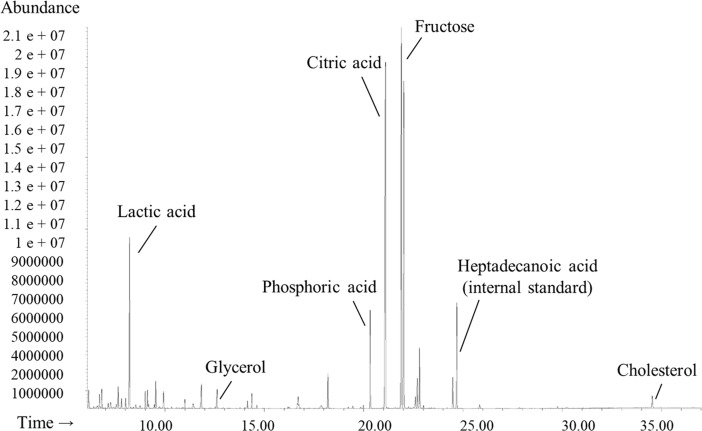
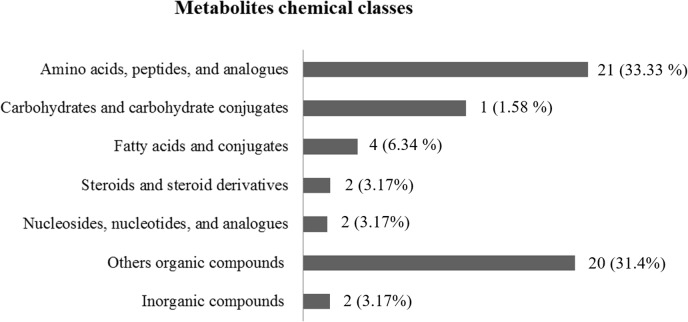
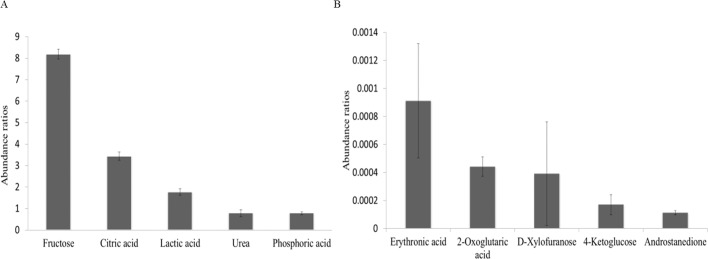
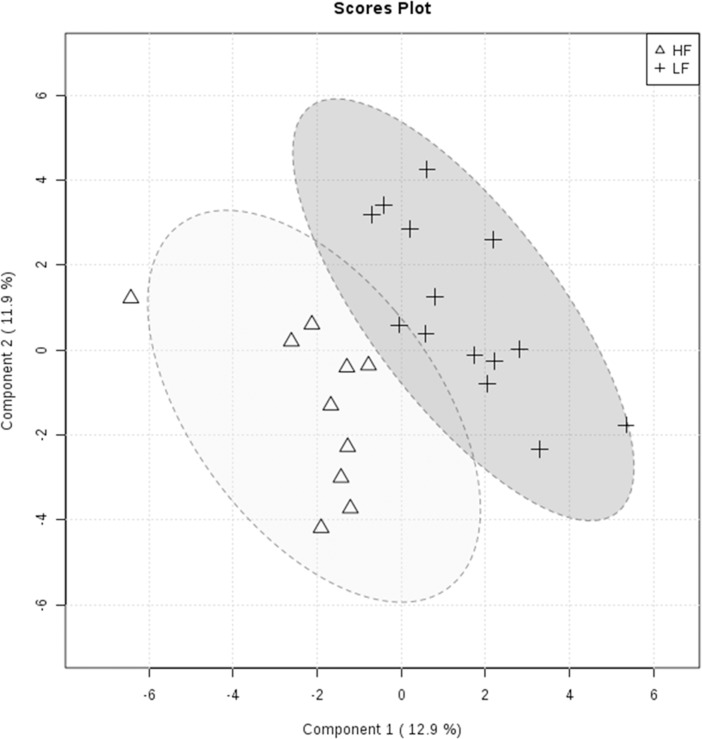
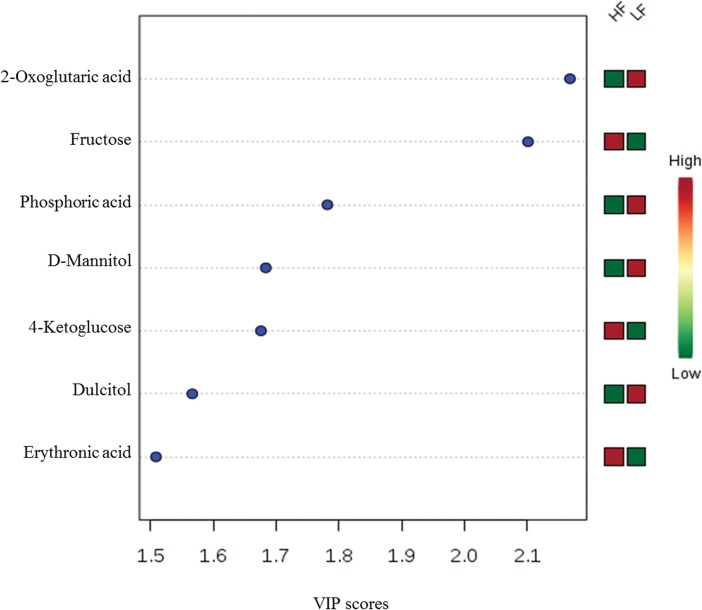
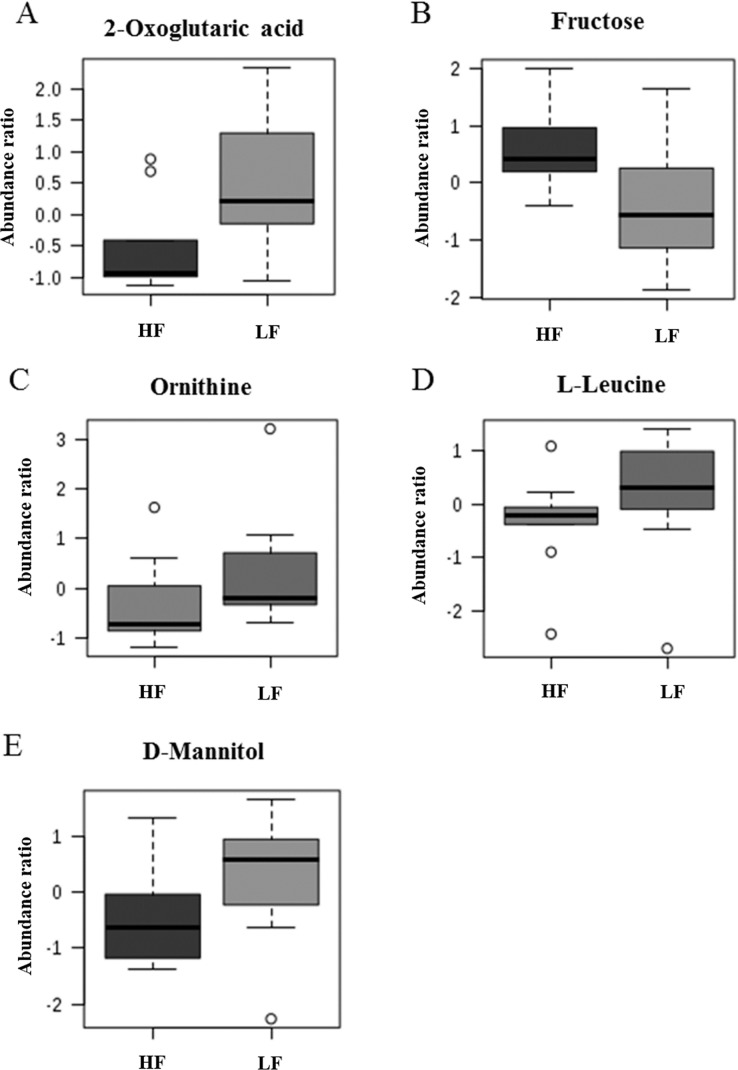
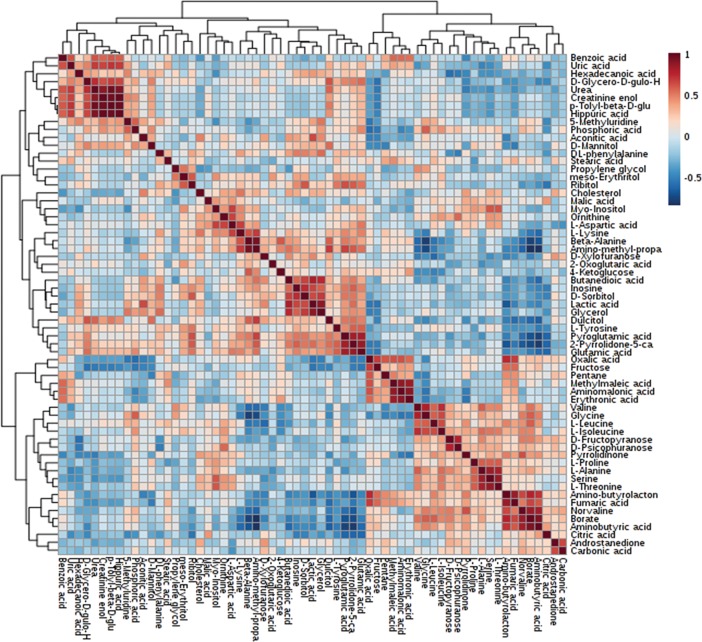
Metabolites play essential roles in biological systems, but detailed identities and significance of the seminal plasma metabolome related to bull fertility are still unknown. The objectives of this study were to determine the comprehensive metabolome of seminal plasma from Holstein bulls and to ascertain the potential of metabolites as biomarkers of bull fertility. The seminal plasma metabolome from 16 Holstein bulls with two fertility rates were determined by gas chromatography-mass spectrometry (GC-MS). Multivariate and univariate analyses of the data were performed, and the pathways associated with the seminal plasma metabolome were identified using bioinformatics approaches. Sixty-three metabolites were identified in the seminal plasma of all bulls. Fructose was the most abundant metabolite in the seminal fluid, followed for citric acid, lactic acid, urea and phosphoric acid. Androstenedione, 4-ketoglucose, D-xylofuranose, 2-oxoglutaric acid and erythronic acid represented the least predominant metabolites. Partial-Least Squares Discriminant Analysis (PLSDA) revealed a distinct separation between high and low fertility bulls. The metabolites with the greatest Variable Importance in Projection score (VIP > 2) were 2-oxoglutaric acid and fructose. Heat-map analysis, based on VIP score, and univariate analysis indicated that 2-oxoglutaric acid was less (P = 0.02); whereas fructose was greater (P = 0.02) in high fertility than in low fertility bulls. The current study is the first to describe the metabolome of bull seminal plasma using GC-MS and presented metabolites such as 2-oxoglutaric acid and fructose as potential biomarkers of bull fertility.
Conflict of interest statement
Figures
References
-
- Petherick JC. A review of some factors affecting the expression of libido in beef cattle, and individual bull and herd fertility. Applied Animal Behaviour Science. 2005;90(3–4):185–205.
-
- Moce E, Graham JK. In vitro evaluation of sperm quality. Anim Reprod Sci. 2008;105(1–2):104–18. doi: 10.1016/j.anireprosci.2007.11.016 . - DOI - PubMed
-
- Feugang JM, Rodriguez-Osorio N, Kaya A, Wang H, Page G, Ostermeier GC, et al. Transcriptome analysis of bull spermatozoa: implications for male fertility. Reprod Biomed Online. 2010;21(3):312–24. doi: 10.1016/j.rbmo.2010.06.022 . - DOI - PubMed
-
- de Oliveira RV, Dogan S, Belser LE, Kaya A, Topper E, Moura A, et al. Molecular morphology and function of bull spermatozoa linked to histones and associated with fertility. Reproduction. 2013;146(3):263–72. doi: 10.1530/REP-12-0399 . - DOI - PubMed
-
- Bromfield JJ. A role for seminal plasma in modulating pregnancy outcomes in domestic species. Reproduction. 2016;152(6):R223–R32. doi: 10.1530/REP-16-0313 . - DOI - PubMed
Publication types
MeSH terms
Substances
LinkOut - more resources
Full Text Sources
Other Literature Sources
Molecular Biology Databases
Miscellaneous
