


The Association of Dietary Patterns with High-Risk Human Papillomavirus Infection and Cervical Cancer: A Cross-Sectional Study in Italy
- PMID: 29641467
- PMCID: PMC5946254
- DOI: 10.3390/nu10040469
The Association of Dietary Patterns with High-Risk Human Papillomavirus Infection and Cervical Cancer: A Cross-Sectional Study in Italy
Abstract
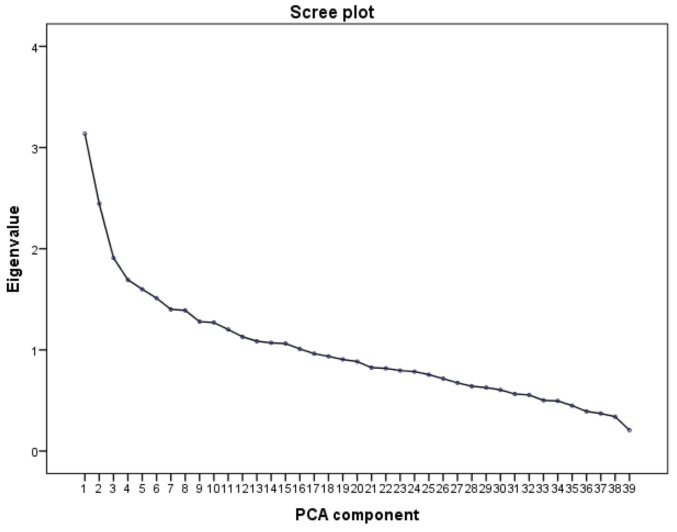
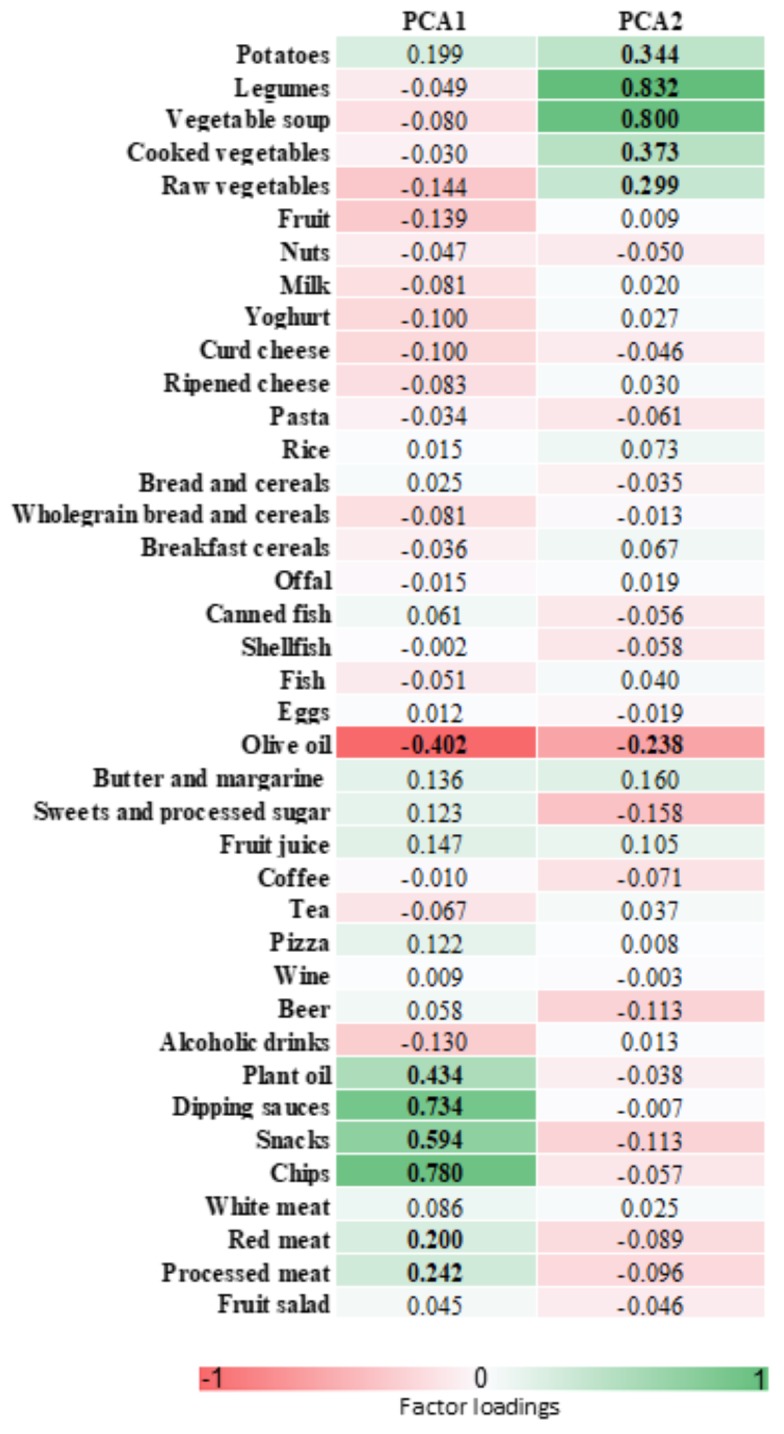
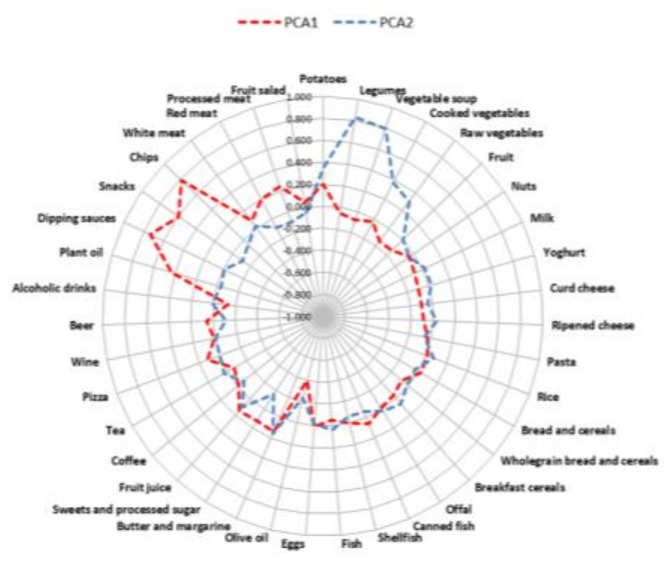
Specific foods and nutrients help prevent the progression of persistent high-risk human papillomavirus (hrHPV) infection to cervical cancer (CC). The aim of this study was to investigate dietary patterns which may be associated with hrHPV status and the risk of high-grade cervical intraepithelial neoplasia (CIN2+). Overall, 539 eligible women, including 127 with CIN2+, were enrolled in a cross-sectional study, and tested for hrHPV infection. Food intake was estimated using a food frequency questionnaire. Logistic regression models were applied. Using the Mediterranean Diet Score, we demonstrated that, among 252 women with a normal cervical epithelium, medium adherence to the Mediterranean diet decreased the odds of hrHPV infection when compared to low adherence (adjOR = 0.40, 95%CI = 0.22-0.73). Using the principal component analysis, we also identified two dietary patterns which explained 14.31% of the variance in food groups intake. Women in the third and fourth quartiles of the "Western pattern" had higher odds of hrHPV infection when compared with first quartile (adjOR = 1.77, 95% CI = 1.04-3.54 and adjOR = 1.97, 95%CI = 1.14-4.18, respectively). Adjusting for hrHPV status and age, women in the third quartile of the "prudent pattern" had lower odds of CIN2+ when compared with those in the first quartile (OR = 0.50, 95%CI = 0.26-0.98). Our study is the first to demonstrate the association of dietary patterns with hrHPV infection and CC and discourages unhealthy habits in favour of a Mediterranean-like diet.
Keywords: Mediterranean diet score; Western diet; cervical intraepithelial neoplasia; principal component analysis; prudent diet.
Conflict of interest statement
The authors declare no conflict of interest.
Figures
References
-
- Bosch F.X., Burchell A.N., Schiffman M., Giuliano A.R., de Sanjose S., Bruni L., Tortolero-Luna G., Kjaer S.K., Muñoz N. Epidemiology and natural history of human papillomavirus infections and type-specific implications in cervical neoplasia. Vaccine. 2008;26(Suppl. 10):K1–K16. doi: 10.1016/j.vaccine.2008.05.064. - DOI - PubMed
-
- González C.A., Travier N., Luján-Barroso L., Castellsagué X., Bosch F.X., Roura E., Bueno-de-Mesquita H.B., Palli D., Boeing H., Pala V., et al. Dietary factors and in situ and invasive cervical cancer risk in the European prospective investigation into cancer and nutrition study. Int. J. Cancer. 2011;129:449–459. doi: 10.1002/ijc.25679. - DOI - PubMed
MeSH terms
LinkOut - more resources
Full Text Sources
Other Literature Sources
Medical
