Impulsivity traits and addiction-related behaviors in youth
- PMID: 29642723
- PMCID: PMC6174598
- DOI: 10.1556/2006.7.2018.22
Impulsivity traits and addiction-related behaviors in youth
Abstract
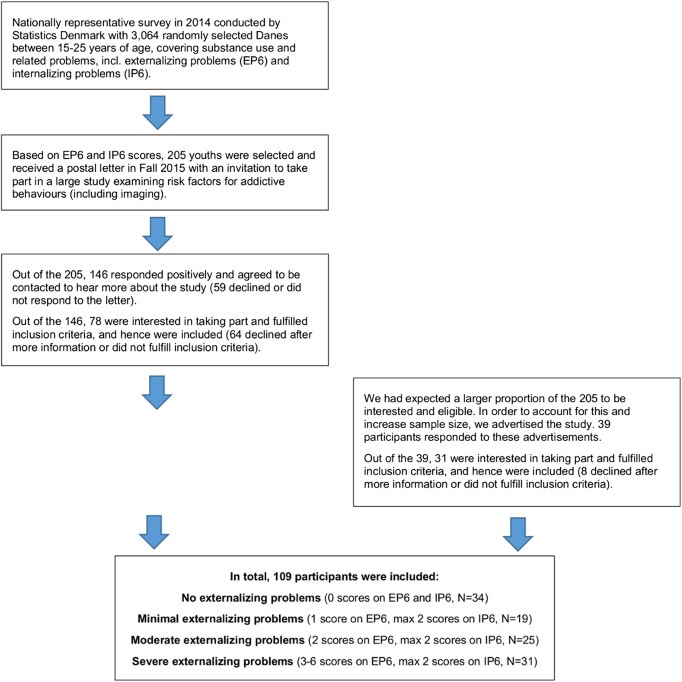
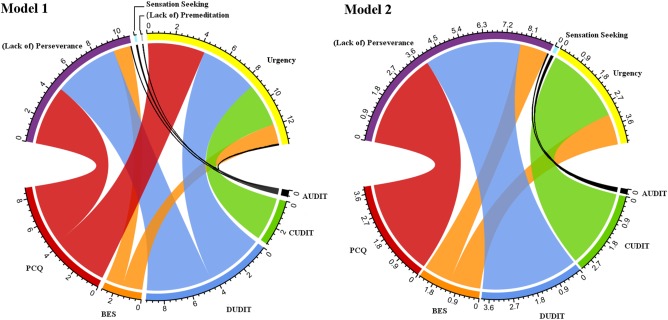
Background and aims Impulsivity is a risk factor for addictive behaviors. The UPPS-P impulsivity model has been associated with substance addiction and gambling disorder, but its role in other non-substance addiction-related behaviors is less understood. We sought to examine associations between UPPS-P impulsivity traits and indicators of multiple substance and non-substance addiction-related behaviors in youth with varying involvement in these behaviors. Methods Participants (N = 109, aged 16-26 years, 69% males) were selected from a national survey based on their level of externalizing problems to achieve a broad distribution of involvement in addiction-related behaviors. Participants completed the UPPS-P Questionnaire and standardized questionnaires assessing problematic use of substances (alcohol, cannabis, and other drugs) and non-substances (Internet gaming, pornography, and food). Regression analyses were used to assess associations between impulsivity traits and indicators of addiction-related behaviors. Results The UPPS-P model was positively associated with indicators of all addiction-related behaviors except problematic Internet gaming. In the fully adjusted models, sensation seeking and lack of perseverance were associated with problematic use of alcohol, urgency was associated with problematic use of cannabis, and lack of perseverance was associated with problematic use of other drugs than cannabis. Furthermore, urgency and lack of perseverance were associated with binge eating and lack of perseverance was associated with problematic use of pornography. Discussion and conclusions We emphasize the role of trait impulsivity across multiple addiction-related behaviors. Our findings in at-risk youth highlight urgency and lack of perseverance as potential predictors for the development of addictions and as potential preventative therapeutic targets.
Keywords: Internet gaming; addiction; binge eating; impulsivity; pornography; substance use.
Figures
References
-
- Adamson S. J., Kay-Lambkin F. J., Baker A. L., Lewin T. J., Thornton L., Kelly B. J., Sellman J. D. (2010). An improved brief measure of cannabis misuse: The Cannabis Use Disorders Identification Test – Revised (CUDIT-R). Drug and Alcohol Dependence, 110(1–2), 137–143. doi: 10.1016/j.drugalcdep.2010.02.017 - DOI - PubMed
-
- Albein-Urios N., Martinez-Gonzalez J. M., Lozano O., Clark L., Verdejo-Garcia A. (2012). Comparison of impulsivity and working memory in cocaine addiction and pathological gambling: Implications for cocaine-induced neurotoxicity. Drug and Alcohol Dependence, 126(1–2), 1–6. doi: 10.1016/j.drugalcdep.2012.03.008 - DOI - PubMed
-
- American Psychiatric Association. (2013). Diagnostic and statistical manual of mental disorders: DSM-V (5th ed.). Washington, DC: American Psyhiatric Association.
MeSH terms
Grants and funding
LinkOut - more resources
Full Text Sources
Other Literature Sources
Medical