Review
. 2018 Jun;39(6):547-559.
doi: 10.1016/j.tips.2018.03.002. Epub 2018 Apr 10.

Intracellular Receptor Modulation: Novel Approach to Target GPCRs

Affiliations
Review

Intracellular Receptor Modulation: Novel Approach to Target GPCRs

Natalia V Ortiz Zacarías et al. Trends Pharmacol Sci. 2018 Jun.

Abstract

Recent crystal structures of multiple G protein-coupled receptors (GPCRs) have revealed a highly conserved intracellular pocket that can be used to modulate these receptors from the inside. This novel intracellular site partially overlaps with the G protein and β-arrestin binding site, providing a new manner of pharmacological intervention. Here we provide an update of the architecture and function of the intracellular region of GPCRs, until now portrayed as the signaling domain. We review the available evidence on the presence of intracellular binding sites among chemokine receptors and other class A GPCRs, as well as different strategies to target it, including small molecules, pepducins, and nanobodies. Finally, the potential advantages of intracellular (allosteric) ligands over orthosteric ligands are also discussed.

Keywords: G protein-coupled receptors; allosteric modulation; antagonism; intracellular binding site; small molecules.


Conflict of interest statement

Disclaimer Statement

The authors declare that they have no conflicts of interest.

Figures
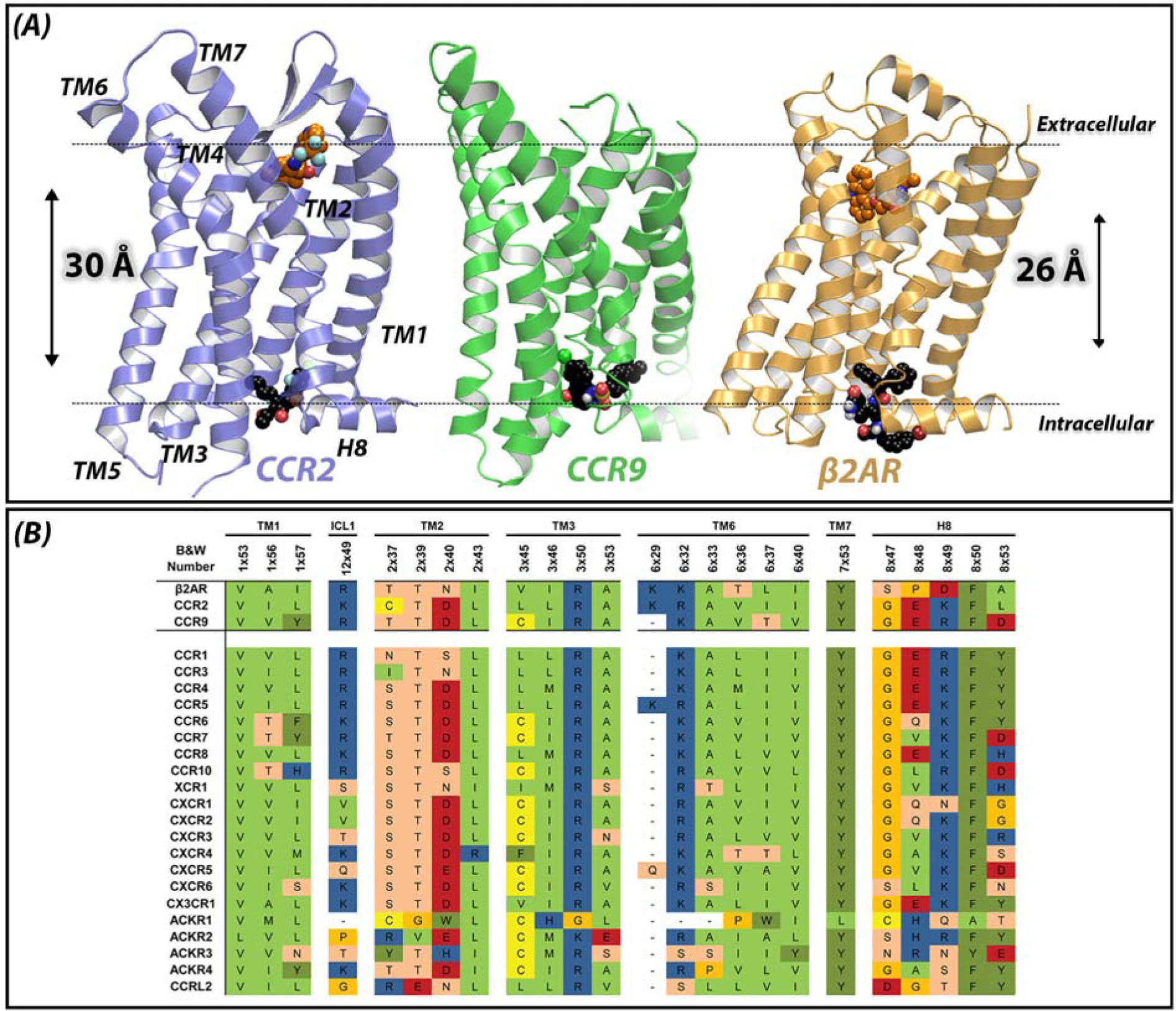
Figure 1.
Figure 1.. Novel allosteric binding site in class A GPCRs.
(A) Endogenous ligands bind close to the extracellular region of GPCRs, in the so-called orthosteric binding site. Most of the co-crystallized small molecules also bind in this extracellular region, such as BMS-681 in CCR2 and carazolol in β2AR. Recently, the crystal structures of CCR2 (purple, PDB 5T1A), CCR9 (green, PDB 5LWE) and β2AR (yellow, PDB 4XT1) have revealed an allosteric solvent-exposed binding site, located in the intracellular region of GPCRs, around 30 Å away from the orthosteric binding site. This novel binding site challenges the traditional view of the upper 7TM region of GPCRs as ligand binding domain and the intracellular region as signaling domain only. As shown in the structures, this intracellular binding site can also be targeted by small molecules such as CCR2-RA-[R] in CCR2, vercirnon in CCR9 and 15-PA in β2AR. Dotted lines represent the plane of the membrane. (B) Sequence conservation among chemokine receptors and β2AR, based on the GPCR database (GPCRdb, http://www.gpcrdb.org). Residues shown are residues involved in the intracellular binding site of CCR2, CCR9 and β2AR (upper three rows). Some of these residues have also been found to be important for ligand binding to other class A GPCRs, as well as for G protein and β-arrestin binding.
Figure 2.
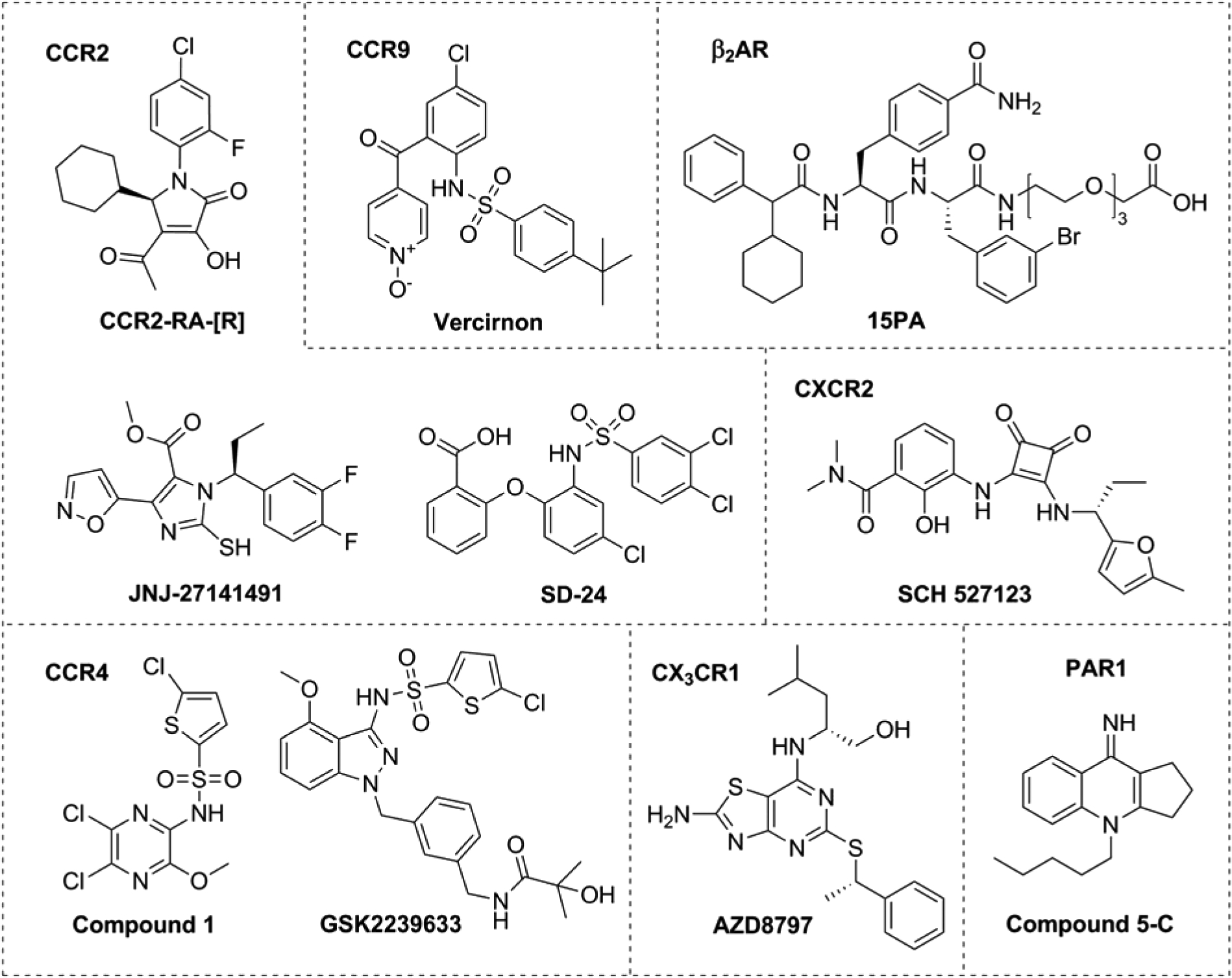
Figure 2.. Chemical structures of selected intracellular small molecule ligands for different class A GPCRs.
Upper row shows the chemical structures of cocrystallized intracellular ligands with their corresponding receptor: CCR2-RA-[R] with CCR2, Vercirnon with CCR9, and 15PA with β2AR. Vercirnon, SCH 527123 and GSK2239633 are examples of intracellular ligands that have progressed to clinical trials.
Figure 3.
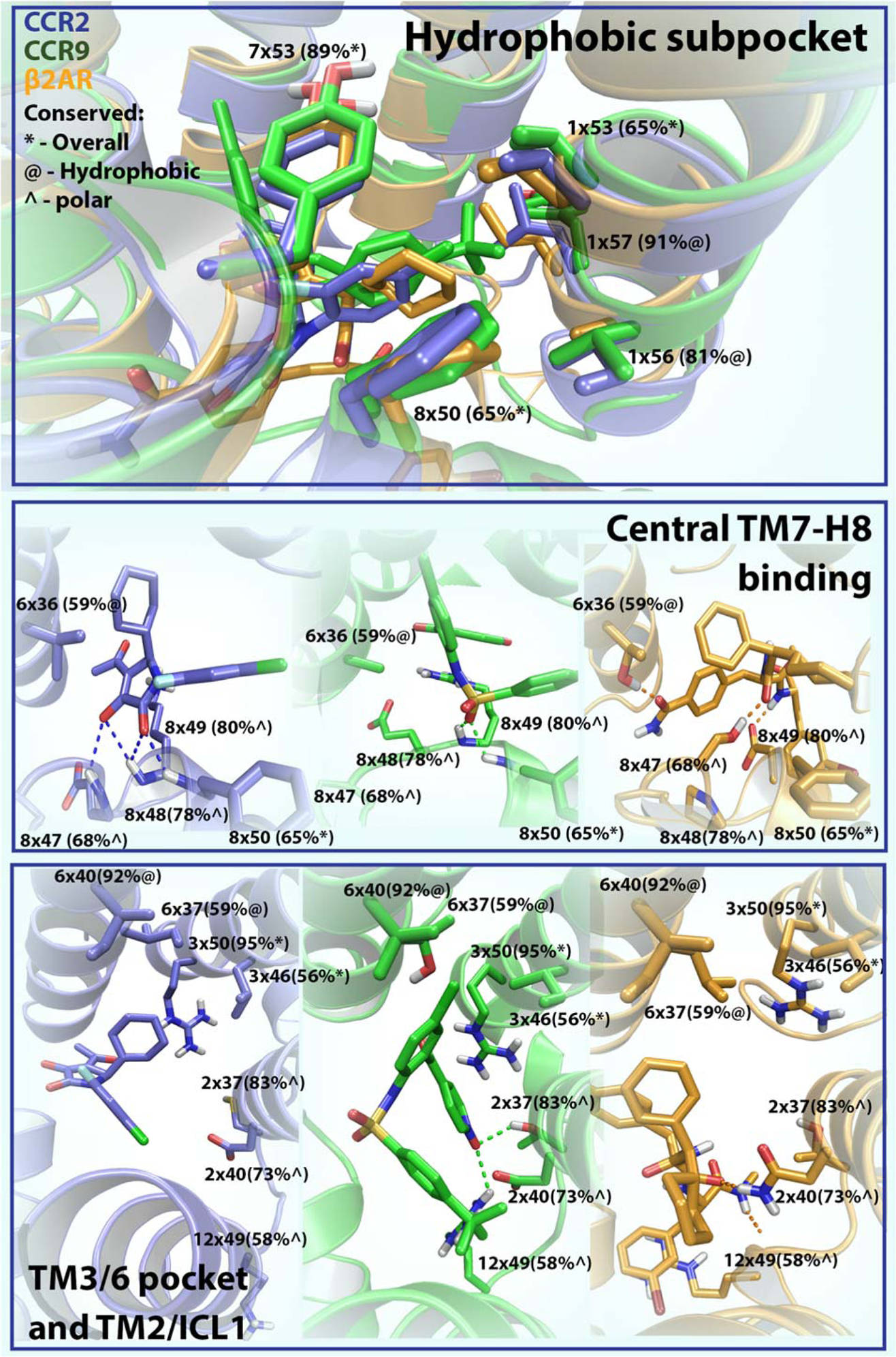
Figure 3.. Overview of structural features of the intracellular binding site.
Common features in intracellular ligand binding derived from the crystal structures of CCR2 (PDB 5T1A), CCR9 (PDB 5LWE) and β2AR (PDB 4XT1). Residues are numbered using structure-based Ballesteros-Weinstein numbers [15]. Residue conservation among all class A GPCRs is shown in the following way; residues that are overall conserved (identical) in class A (>50%) are shown first (*); for residues that are not conserved we show how conserved they are in terms of polarity (^) or hydrophobicity (@). The three different boxes represent three different sections of the intracellular binding sites, in the upper panel all receptors are superimposed while in the lower two boxes the receptors are shown separately. CCR2 is colored blue, CCR9 is colored green and β2AR is colored orange.
Figure 4.
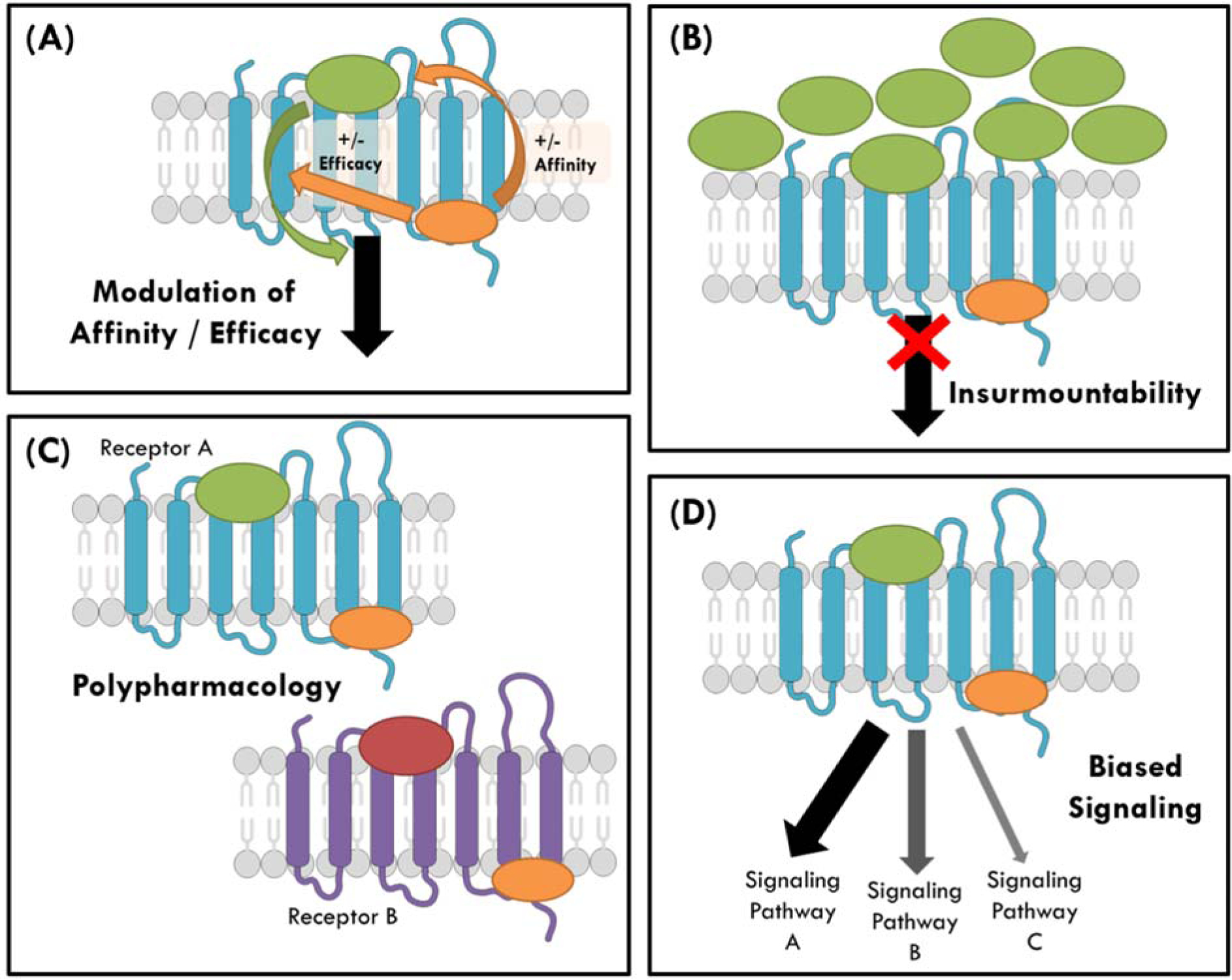
Figure 4.. Potential advantages of intracellular allosteric modulators.
(A) Intracellular allosteric modulators (small molecules, pepducins or intrabodies, shown in orange) have the potential to positively or negatively modulate the affinity and/or the efficacy of the endogenous ligand (shown in green or red) or any orthosteric ligand. The ultimate response depends on the level of positive or negative cooperativity between the two ligands. (B) Intracellular ligands can display insurmountability, as they can inhibit the receptor (shown in blue) even when high concentrations of endogenous ligand are present. (C) A highly-conserved intracellular binding site provides the possibility of designing intracellular ligands that bind and exert their effect in multiple receptors (receptor A in blue and receptor B in purple). These pharmacological ligands, as opposed to selective ligands, might be advantageous in diseases where more than one receptor is involved. (D) Intracellular ligands can also promote biased signaling, by preferentially modulating one signaling pathway over another upon activation by the endogenous ligand. For instance, they can stabilize G protein signaling over β-arrestin signaling. Source of cellular biology illustrations: Servier Medical Art by Servier, available from https://smart.servier.com/.

References

    1. Hauser AS et al. (2017) Trends in GPCR drug discovery: new agents, targets and indications. Nature Reviews Drug Discovery. - PMC - PubMed
    1. Harrison RK (2016) Phase II and phase III failures: 2013–2015. Nat Rev Drug Discov 15 (12), 817–818. - PubMed
    1. Venkatakrishnan AJ et al. (2013) Molecular signatures of G-protein-coupled receptors. Nature 494 (7436), 185–94. - PubMed
    1. Koelink PJ et al. (2012) Targeting chemokine receptors in chronic inflammatory diseases: an extensive review. Pharmacol Ther 133 (1), 1–18. - PubMed
    1. Congreve M et al. (2017) Applying Structure-Based Drug Design Approaches to Allosteric Modulators of GPCRs. Trends Pharmacol Sci 38 (9), 837–847. - PubMed