


Analysis of wild macaque stone tools used to crack oil palm nuts
- PMID: 29657792
- PMCID: PMC5882716
- DOI: 10.1098/rsos.171904
Analysis of wild macaque stone tools used to crack oil palm nuts
Abstract
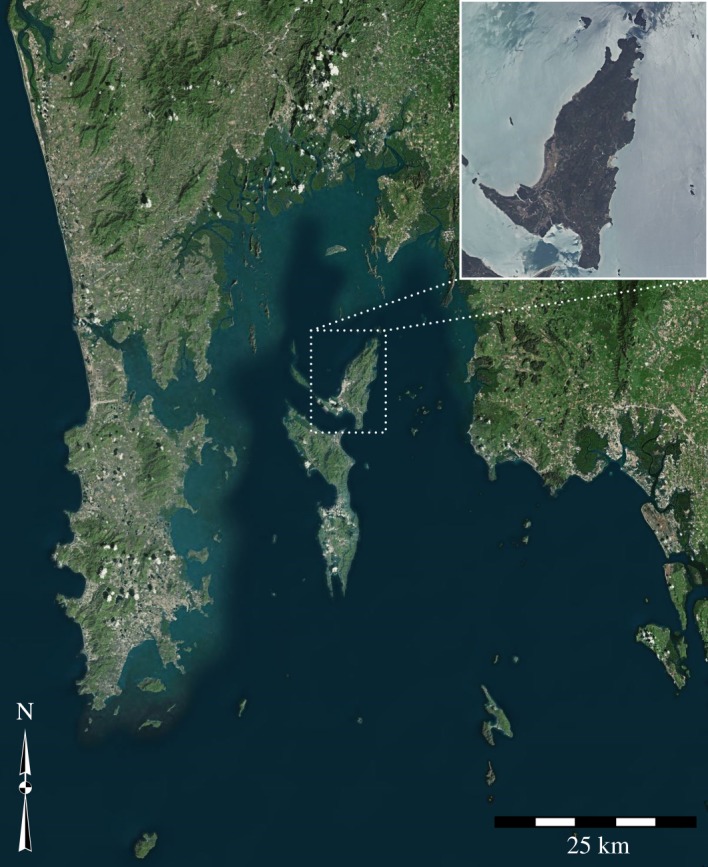
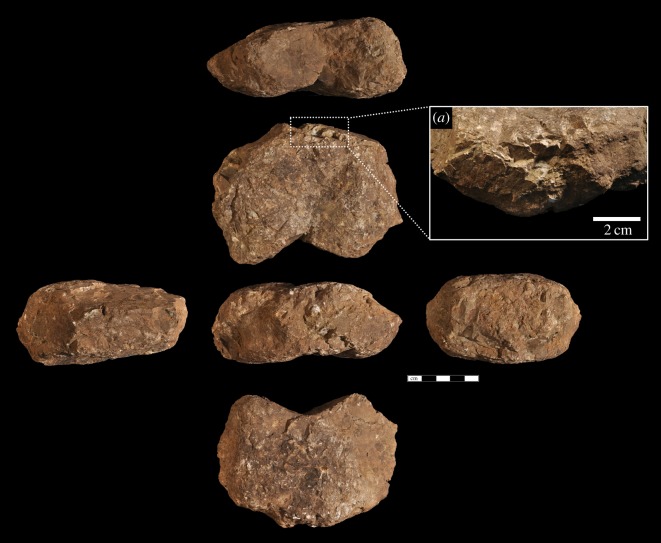
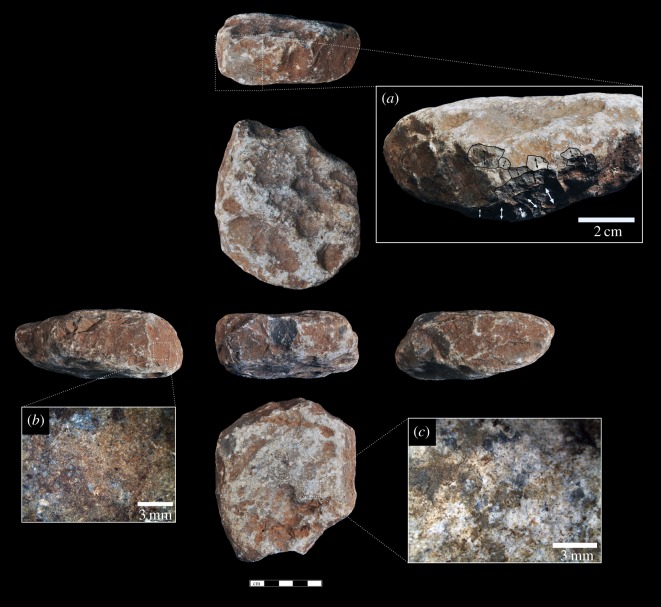
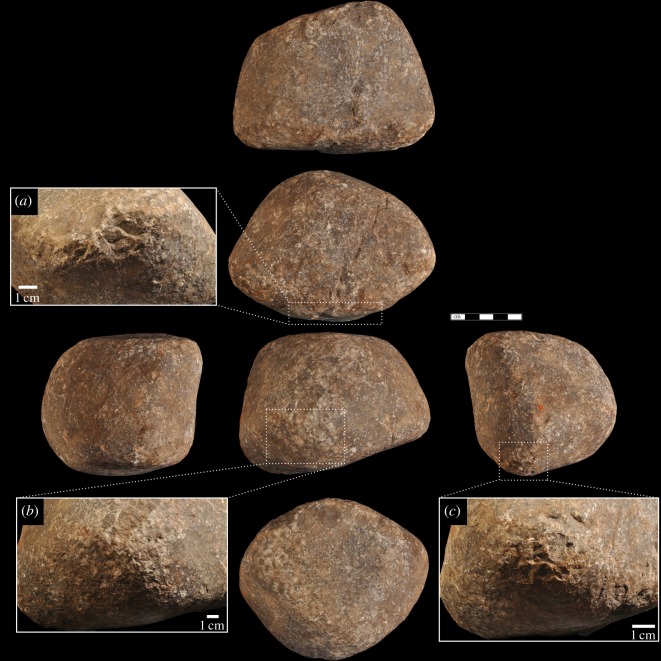
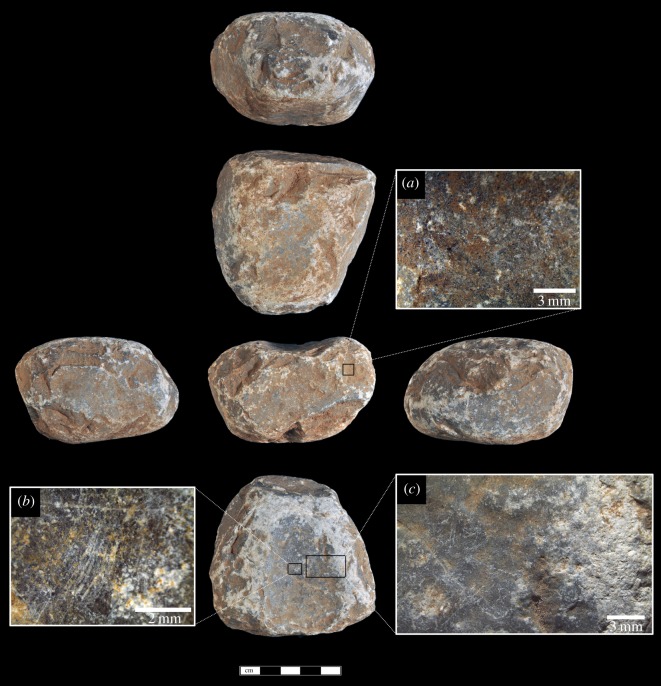
The discovery of oil palm (Elaeis guineensis) nut-cracking by wild long-tailed macaques (Macaca fascicularis) is significant for the study of non-human primate and hominin percussive behaviour. Up until now, only West African chimpanzees (Pan troglodytes verus) and modern human populations were known to use stone hammers to crack open this particular hard-shelled palm nut. The addition of non-habituated, wild macaques increases our comparative dataset of primate lithic percussive behaviour focused on this one plant species. Here, we present an initial description of hammerstones used by macaques to crack oil palm nuts, recovered from active nut-cracking locations on Yao Noi Island, Ao Phang Nga National Park, Thailand. We combine a techno-typological approach with microscopic and macroscopic use-wear analysis of percussive damage to characterize the percussive signature of macaque palm oil nut-cracking tools. These artefacts are characterized by a high degree of battering and crushing on most surfaces, which is visible at both macro and microscopic levels. The degree and extent of this damage is a consequence of a dynamic interplay between a number of factors, including anvil morphology and macaque percussive techniques. Beyond the behavioural importance of these artefacts, macaque nut-cracking represents a new target for primate archaeological investigations, and opens new opportunities for comparisons between tool using primate species and with early hominin percussive behaviour, for which nut-cracking has been frequently inferred.
Keywords: Macaca fascicularis; hammerstone; human evolution; percussive technology; primate archaeology; use-wear.
Conflict of interest statement
We declare we have no competing interests.
Figures
References
-
- de la Torre I, Hirata S. 2015. Percussive technology in human evolution: an introduction to a comparative approach in fossil and living primates. Phil. Trans. R. Soc. B 370, 20140346 (doi:10.1098/rstb.2014.0346) - DOI - PMC - PubMed
-
- Haslam M, et al. 2009. Primate archaeology. Nature 460, 339–344. (doi:10.1038/nature08188) - DOI - PubMed
-
- Haslam M, et al. 2017. Primate archaeology evolves. Nat. Ecol. Evol. 1, 1431 (doi:10.1038/s41559-017-0286-4) - DOI - PubMed
-
- Boesch C, Boesch-Achermann H. 2000. The chimpanzees of the Taï forest: behavioural ecology and evolution. Oxford, UK: Oxford University Press.
-
- Matsuzawa T, Humle T, Sugiyama Y. 2011. The chimpanzees of Bossou and Nimba. Berlin, Germany: Springer Science & Business Media.
Associated data
LinkOut - more resources
Full Text Sources
Other Literature Sources
